Quick Buzz Feed

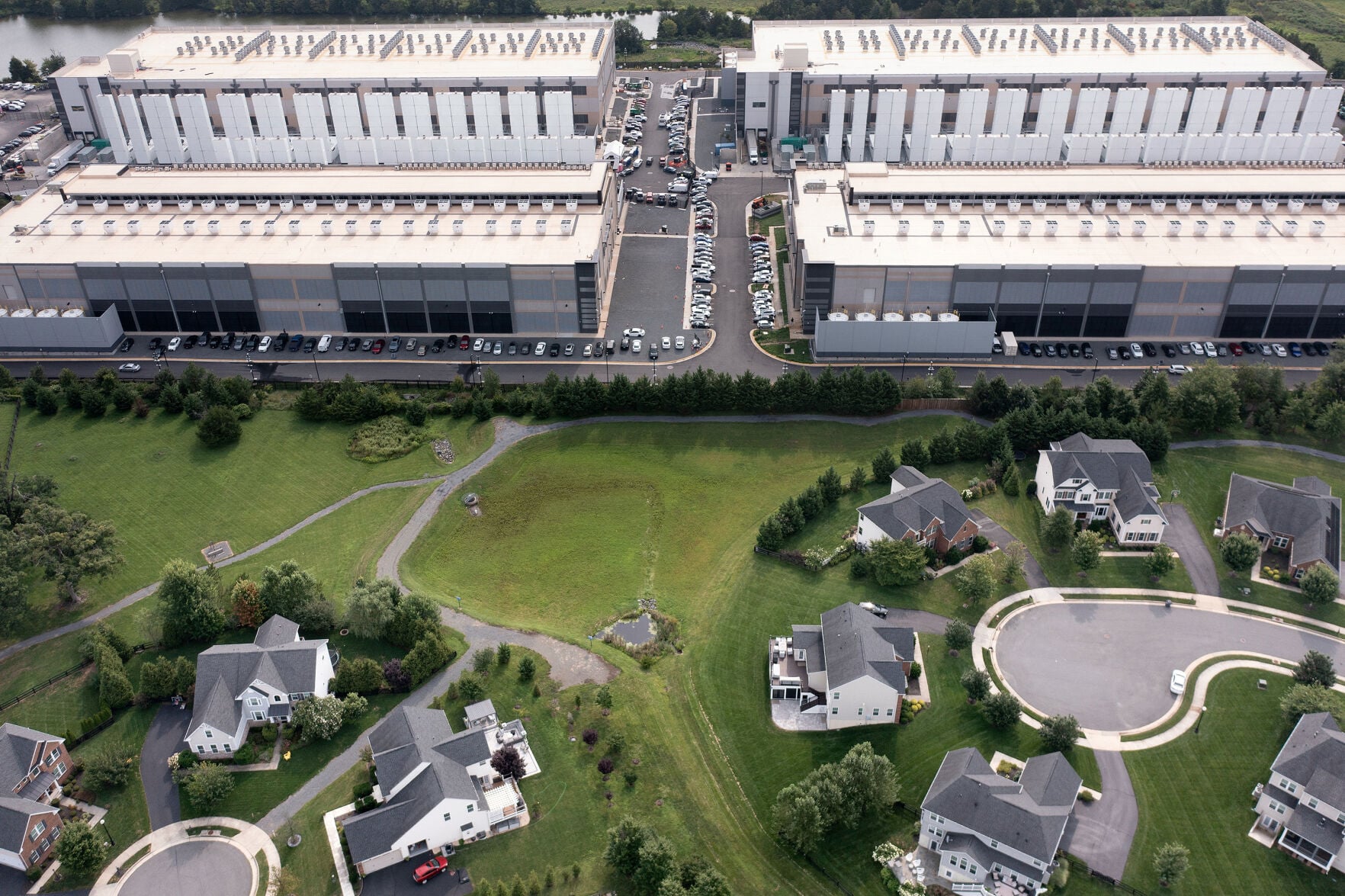
This article draws a parallel between the initial appeal and later hidden costs of artificial intelligence (AI) and credit cards. It highlights the significant environmental and financial debt accumulated by AI through its massive consumption of electricity and water for data centers, raising concerns about who will ultimately bear these costs and advocating for responsible, cooperative development over unbridled competition.
AI, like credit cards, offers immediate power but accrues significant hidden costs. A major cost is the vast electricity required to power massive data centers, exemplified by a planned Nvidia/OpenAI center in Ohio needing 8-10 gigawatts, often sourced from fossil fuels. This increased demand leads to higher utility rates for consumers and contributes to environmental degradation, despite initiatives to limit new data centers in some states.
Beyond electricity, AI data centers consume enormous quantities of water for cooling their advanced chips. Alarmingly, about two-thirds of new data centers are planned for drought-stricken areas, driven by cheaper land and tax incentives. The article criticizes this practice of depleting local water resources instead of implementing sustainable enclosed water systems, primarily because the latter would increase AI's operational costs.
The author calls for government intervention to legislate against the unchecked use of fossil fuels and water by AI companies. Utilities like Ameren are criticized for raising rates due to increased demand from data centers while their executives receive substantial pay raises. Universities, despite working on clean energy solutions, face pressure to prioritize AI development, leading to a focus on technological advancement rather than mitigating AI's environmental footprint.
The article questions the intense competition among tech giants to be first in the AI race, proposing that government-mandated cooperation could slow down AI's rapid expansion. This pause would allow for critical issues like sustainable electricity and water usage to be resolved, ensuring that the benefits of AI do not come at the expense of creating an insurmountable environmental and societal 'debt' for future generations.