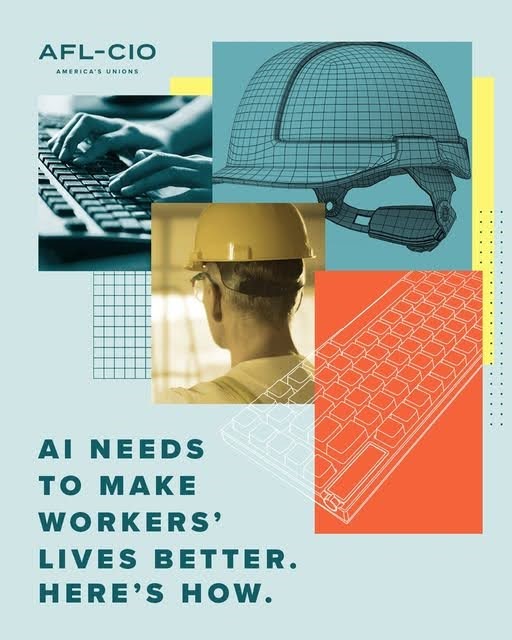
The National AFL-CIO is expressing profound concern regarding the accelerated deployment of Artificial Intelligence (AI) technology within American workplaces, arguing that while it significantly benefits tech billionaires, it simultaneously poses critical threats to workers' jobs, fundamental rights, and overall well-being. This alarm follows a noticeable surge in AI-related advertising, particularly during high-profile events like the Super Bowl, which was met with a largely negative public reception. The labor movement emphasizes its proactive 'Workers First Initiative on AI,' launched in 2025, which outlines a comprehensive strategy for the ethical development and regulation of new technologies. This initiative rigorously demands the establishment of responsible and common-sense guardrails to safeguard employment, ensure access to healthcare, protect vital public services, and secure the future economic stability of the workforce against the unfettered integration of AI systems. The AFL-CIO's stance is clear: AI must serve the interests of working people and their families, not just corporate profits.
Labor Leaders Urge State Governments to Protect Workers from AI
In a significant move, National AFL-CIO President Liz Shuler, alongside presidents from several state labor federations, convened in Sacramento, California, to issue a direct appeal to state governments across the nation. Their unified message underscored the 'existential risks' that the proliferation of AI technology presents to the working class. They emphatically called upon elected officials to take immediate and decisive legislative and regulatory actions to protect workers' jobs, secure their rights, and preserve their freedoms, which are increasingly vulnerable due to the rapid integration of AI across various economic sectors. This concerted effort at the state level highlights the labor movement's strategic pivot towards seeking localized protections, signaling a growing urgency to address AI's profound impact on employment conditions and the broader labor landscape in the absence of comprehensive federal frameworks.
AI's Broader Threats to Livelihoods, Safety, and Civil Rights
During their detailed press conference, the labor leaders meticulously outlined how the explosive growth and pervasive adoption of Artificial Intelligence across the economy are primarily enriching tech billionaires and major corporations, often at the direct expense of the average worker. They highlighted a spectrum of severe consequences, including the alarming potential for widespread job displacement through automation, the degradation of remaining jobs via increased surveillance, algorithmic management, and performance monitoring. Furthermore, significant concerns were raised regarding threats to worker safety and the erosion of personal privacy due to intrusive AI systems. The leaders also warned that the unchecked deployment of AI could infringe upon fundamental civil and labor rights, potentially creating new avenues for exploitation and systemic discrimination if not adequately governed by robust regulatory oversight, thereby impacting the very foundation of established worker protections.
California's Legislative Efforts for AI Worker Protection Face Hurdles
The California Labor Federation has been a vanguard in the legislative battle to establish 'common-sense AI guardrails' within the state, specifically advocating for measures to protect its workforce. A prominent effort involved championing a bill explicitly designed to prevent the controversial practice of 'robot-bosses' from autonomously terminating workers without any form of human oversight or review. This crucial legislation sought to embed a human element into critical employment decisions, thereby shielding employees from potentially arbitrary, biased, or opaque algorithmic dismissals. Despite garnering substantial bipartisan support and successfully navigating through both chambers of the California State Legislature, the bill encountered a significant setback when it was ultimately vetoed by Governor Gavin Newsom in the preceding year. This outcome vividly illustrates the persistent challenges and intricate political landscape involved in enacting comprehensive legislative protections for workers against the rapidly advancing capabilities and implications of AI in modern employment practices.
AI Policy as a Decisive Issue for Voters and Political Candidates
AFL-CIO President Liz Shuler, supported by other influential state labor leaders, collectively underscored the escalating importance of Artificial Intelligence and its regulation as a paramount concern for voters spanning the entire political spectrum. They unequivocally declared that any political candidate aspiring to secure the endorsement and crucial support of working people must demonstrate an unwavering commitment to advocating for and implementing 'sensible AI guardrails.' This pronouncement effectively positions AI policy as a critical litmus test for candidates, signifying that their stance on protecting workers' interests in the face of AI's transformative impact on employment, worker rights, and economic equity will be a significant and potentially decisive factor influencing their appeal and electability among the working class in future electoral contests. The labor movement is thereby making this a non-negotiable demand for prospective public officials, shaping the discourse for upcoming political campaigns.