Quick Buzz Feed

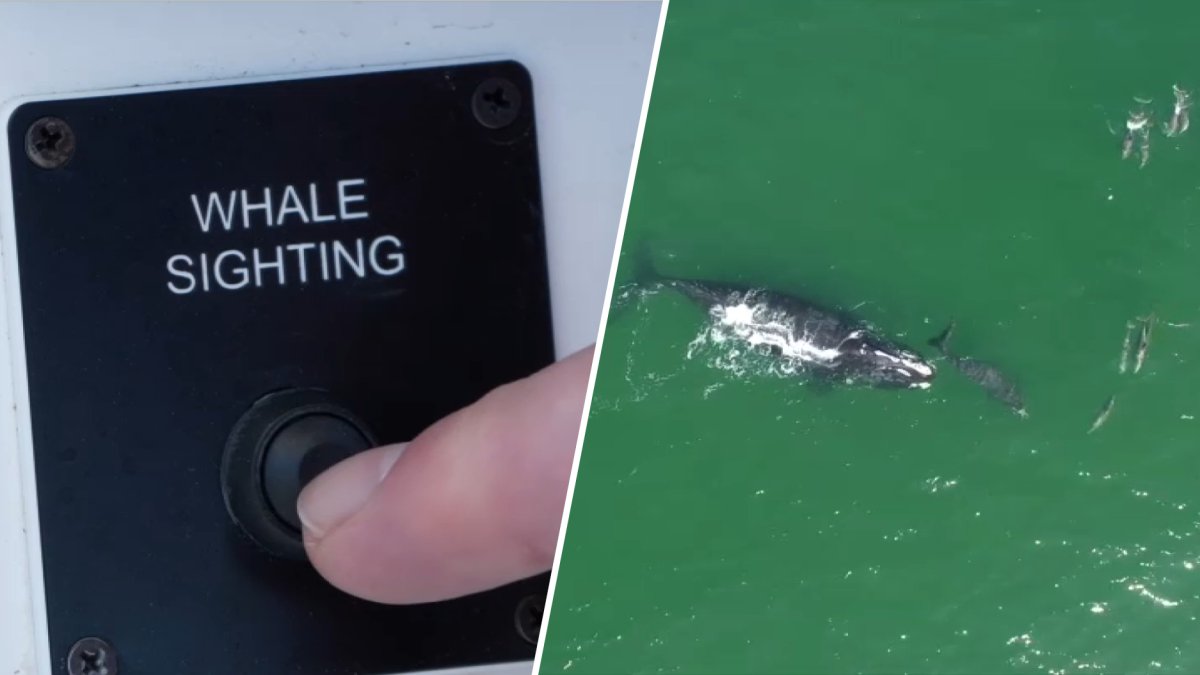
Researchers and the marine industry are using AI to detect whales, predict movements and alert boaters to reduce the chances that they'll get hit.
Artificial intelligence is being employed by researchers and the marine industry to safeguard one of the world's most endangered marine mammals, the North Atlantic right whale. Vessel strikes continue to be a significant threat to this species, with fewer than 400 individuals remaining in the wild. The application of AI aims to provide boaters with improved information regarding whale locations and predicted movements, thereby minimizing the risk of collisions.
The Whale and Vessel Safety (WAVS) Task Force is actively developing a sophisticated system that integrates AI with existing marine technologies such as sensors, cameras, and navigation systems found on many boats. The primary objective is to accurately detect whales and promptly send alerts to nearby vessels. This system is designed to function similarly to in-car navigation apps that warn drivers about road hazards, enabling boaters to slow down or alter course. Validated whale sighting information can also be disseminated to boats that may not possess their own advanced detection capabilities.
In a parallel effort, researchers at Rutgers University have engineered an AI-powered system specifically designed to predict the probable locations of whales. This innovative system combines data from whale calls, which are detected by underwater gliders, with a comprehensive range of oceanographic and environmental data. By processing this information, the system generates dynamic probability maps that indicate areas and times when encounters with marine mammals are most likely. This predictive capability is expected to assist recreational boaters and commercial ship captains in planning routes that proactively avoid high-risk zones.
The next critical phase involves establishing a robust network that facilitates the seamless sharing of these whale notifications among boaters. Todd Tally of Atlantic Marine Electronics highlighted that developmental work is currently underway to enable these notifications to be exchanged efficiently between users. The marine industry's WAVS task force is committed to standardizing and deploying these AI-powered whale awareness tools, with a target implementation timeline set for the end of the current year. This initiative represents a significant step towards enhancing marine safety for both vessels and endangered whale populations.