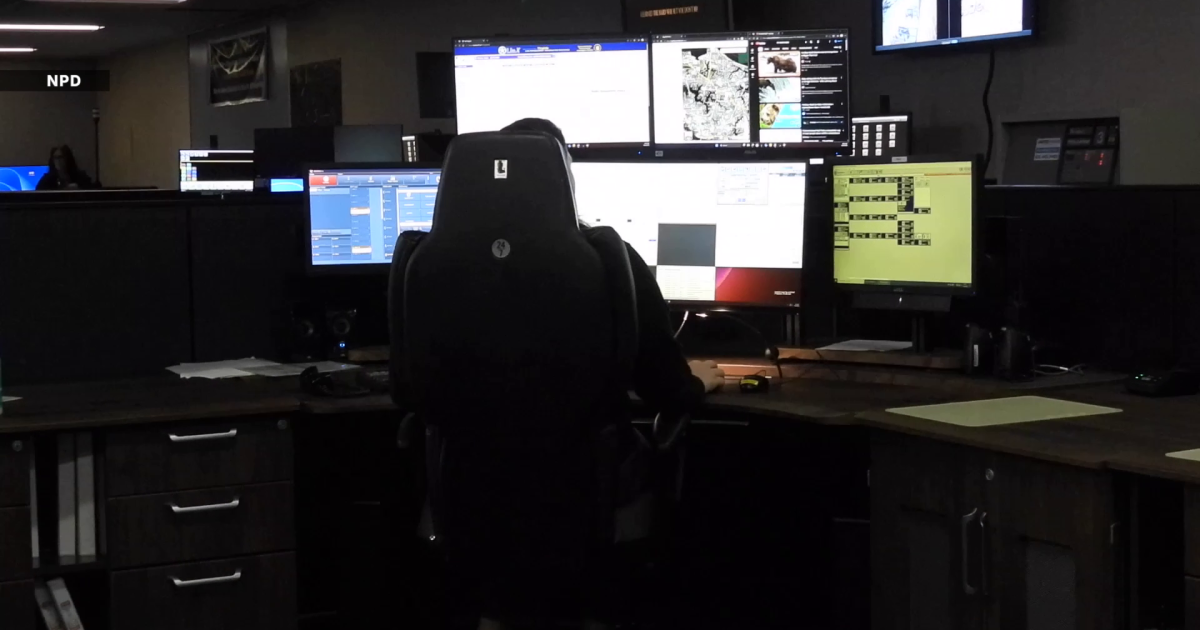
When someone calls Norfolk's non-emergency line, there's now a good chance the voice answering on the other end isn't human.
AI Takes Over Norfolk's Non-Emergency Calls Norfolk has implemented an artificial intelligence system to manage its non-emergency call line (757-441-5610), which operates continuously. This technology is now handling over 40% of non-emergency calls, alleviating the workload for human dispatchers. Steven Summerlin, Norfolk's E911 manager, stated that the aim is to provide faster information to residents and allow emergency call takers to focus on critical, life-threatening situations. The emergency communications center handles over 100,000 non-emergency calls and 130,000 emergency 911 calls annually. The AI system eliminates delays by providing direct answers or appropriate transfers, with an estimated capacity to handle 50,000 to 60,000 calls annually, potentially improving overall emergency response times, though specific data is still pending. A conversation instead of a phone menu Norfolk's AI system distinguishes itself from traditional automated phone systems by offering a natural conversational interface, akin to a virtual home assistant. Callers can express their needs in plain language to a female AI voice, which then provides answers or connects them to the relevant city department. The city deliberately developed this system after studying other AI implementations, opting for a conversational approach over rigid phone menus. The AI was trained using comprehensive information from city websites and documented internal procedures, ensuring its responses are accurate and sourced from city-approved data. The system operates within a secure, controlled knowledge base and does not access the open internet, allowing for quick updates and continuous improvement based on daily performance reports and caller interactions. Taking pressure off dispatchers The integration of AI is primarily designed to reduce the significant pressure on Norfolk's emergency dispatchers. These individuals work demanding 12.5-hour shifts, often managing 85 to 100 calls daily, which can range from critical emergencies like shootings and cardiac arrests to routine inquiries such as missed garbage collection or lost pets. This constant shift in call severity can be mentally exhausting. By handling a large volume of non-emergency calls, the AI allows dispatchers to remain focused and mentally prepared for high-stress emergency situations. The AI system also supports staffing optimization, as it empowers the existing human workforce to be more efficient and effective, concentrating on crucial decision-making rather than being seen as a replacement for human jobs, with vacancy rates having notably decreased over the past two years. AI is also assisting with emergency 911 calls In addition to non-emergency services, AI is actively used in the background for actual 911 emergencies, complementing human dispatchers rather than replacing them. The AI system transcribes conversations between callers and dispatchers in real-time, which is particularly beneficial when callers are distressed, whispering, or have difficulty speaking clearly. It generates summaries of emergency interactions and identifies critical keywords like "gunshot," "not breathing," or "unconscious." Upon detection, the system immediately alerts other personnel logged into the communications system, providing real-time awareness for supervisors and staff to monitor evolving situations and offer support. This integration enhances human capabilities, making dispatchers more effective without undermining the essential human judgment and empathy required during emergencies. What happens if someone needs a real person? Norfolk ensures that callers to the non-emergency line can still opt to speak directly with a human dispatcher. The AI system is equipped to seamlessly transfer callers or connect them with the appropriate city department. Summerlin advises residents to engage with the AI first, as it can often provide immediate answers, potentially avoiding delays that might occur when waiting for a human representative for routine queries. The system currently operates in English. While additional languages were considered, officials chose a phased rollout to ensure comprehensive support. Callers needing language assistance are directed to human employees who can then utilize the city's interpretation services to facilitate communication. How much does the technology cost? Norfolk's AI system is provided by Amazon on a usage-based billing model, with an estimated monthly cost of less than $2,000, depending on call volume. The inspiration for this technological adoption came from Diane McDermott, Norfolk's E911 administrator, who learned about a similar successful system in Charleston, South Carolina. Norfolk officials thoroughly researched this and other AI applications to ensure the technology met their specific needs. Looking ahead, Summerlin foresees the AI system becoming a crucial resource during severe weather events, capable of quickly answering questions about hurricane preparedness, emergency shelters, and pet-friendly accommodations, thus managing increased call volumes and disseminating vital information efficiently during crises. What could AI mean for the future of emergency response? Steven Summerlin believes Norfolk is at the early stages of leveraging AI for public safety, envisioning expanded roles over the next five years. Future applications could include assisting with preliminary police reports, initiating administrative processes before human intervention, and streamlining call processing for faster dispatch times. For example, reporting property theft could involve initial information input via an automated system, followed by a human dispatcher for completion. While these advancements promise greater efficiency, Summerlin firmly asserts that AI will not replace human judgment or direct interaction, especially in critical emergencies. The core objective is to enhance city services and provide responders with real-time, pertinent information, ensuring technology acts as a tool to improve human effectiveness rather than supersede it.
AI Takes Over Norfolk's Non-Emergency Calls
Norfolk has implemented an artificial intelligence system to manage its non-emergency call line (757-441-5610), which operates continuously. This technology is now handling over 40% of non-emergency calls, alleviating the workload for human dispatchers. Steven Summerlin, Norfolk's E911 manager, stated that the aim is to provide faster information to residents and allow emergency call takers to focus on critical, life-threatening situations. The emergency communications center handles over 100,000 non-emergency calls and 130,000 emergency 911 calls annually. The AI system eliminates delays by providing direct answers or appropriate transfers, with an estimated capacity to handle 50,000 to 60,000 calls annually, potentially improving overall emergency response times, though specific data is still pending.
A conversation instead of a phone menu
Norfolk's AI system distinguishes itself from traditional automated phone systems by offering a natural conversational interface, akin to a virtual home assistant. Callers can express their needs in plain language to a female AI voice, which then provides answers or connects them to the relevant city department. The city deliberately developed this system after studying other AI implementations, opting for a conversational approach over rigid phone menus. The AI was trained using comprehensive information from city websites and documented internal procedures, ensuring its responses are accurate and sourced from city-approved data. The system operates within a secure, controlled knowledge base and does not access the open internet, allowing for quick updates and continuous improvement based on daily performance reports and caller interactions.
Taking pressure off dispatchers
The integration of AI is primarily designed to reduce the significant pressure on Norfolk's emergency dispatchers. These individuals work demanding 12.5-hour shifts, often managing 85 to 100 calls daily, which can range from critical emergencies like shootings and cardiac arrests to routine inquiries such as missed garbage collection or lost pets. This constant shift in call severity can be mentally exhausting. By handling a large volume of non-emergency calls, the AI allows dispatchers to remain focused and mentally prepared for high-stress emergency situations. The AI system also supports staffing optimization, as it empowers the existing human workforce to be more efficient and effective, concentrating on crucial decision-making rather than being seen as a replacement for human jobs, with vacancy rates having notably decreased over the past two years.
AI is also assisting with emergency 911 calls
In addition to non-emergency services, AI is actively used in the background for actual 911 emergencies, complementing human dispatchers rather than replacing them. The AI system transcribes conversations between callers and dispatchers in real-time, which is particularly beneficial when callers are distressed, whispering, or have difficulty speaking clearly. It generates summaries of emergency interactions and identifies critical keywords like "gunshot," "not breathing," or "unconscious." Upon detection, the system immediately alerts other personnel logged into the communications system, providing real-time awareness for supervisors and staff to monitor evolving situations and offer support. This integration enhances human capabilities, making dispatchers more effective without undermining the essential human judgment and empathy required during emergencies.
What happens if someone needs a real person?
Norfolk ensures that callers to the non-emergency line can still opt to speak directly with a human dispatcher. The AI system is equipped to seamlessly transfer callers or connect them with the appropriate city department. Summerlin advises residents to engage with the AI first, as it can often provide immediate answers, potentially avoiding delays that might occur when waiting for a human representative for routine queries. The system currently operates in English. While additional languages were considered, officials chose a phased rollout to ensure comprehensive support. Callers needing language assistance are directed to human employees who can then utilize the city's interpretation services to facilitate communication.
How much does the technology cost?
Norfolk's AI system is provided by Amazon on a usage-based billing model, with an estimated monthly cost of less than $2,000, depending on call volume. The inspiration for this technological adoption came from Diane McDermott, Norfolk's E911 administrator, who learned about a similar successful system in Charleston, South Carolina. Norfolk officials thoroughly researched this and other AI applications to ensure the technology met their specific needs. Looking ahead, Summerlin foresees the AI system becoming a crucial resource during severe weather events, capable of quickly answering questions about hurricane preparedness, emergency shelters, and pet-friendly accommodations, thus managing increased call volumes and disseminating vital information efficiently during crises.
What could AI mean for the future of emergency response?
Steven Summerlin believes Norfolk is at the early stages of leveraging AI for public safety, envisioning expanded roles over the next five years. Future applications could include assisting with preliminary police reports, initiating administrative processes before human intervention, and streamlining call processing for faster dispatch times. For example, reporting property theft could involve initial information input via an automated system, followed by a human dispatcher for completion. While these advancements promise greater efficiency, Summerlin firmly asserts that AI will not replace human judgment or direct interaction, especially in critical emergencies. The core objective is to enhance city services and provide responders with real-time, pertinent information, ensuring technology acts as a tool to improve human effectiveness rather than supersede it.