Quick Buzz Feed

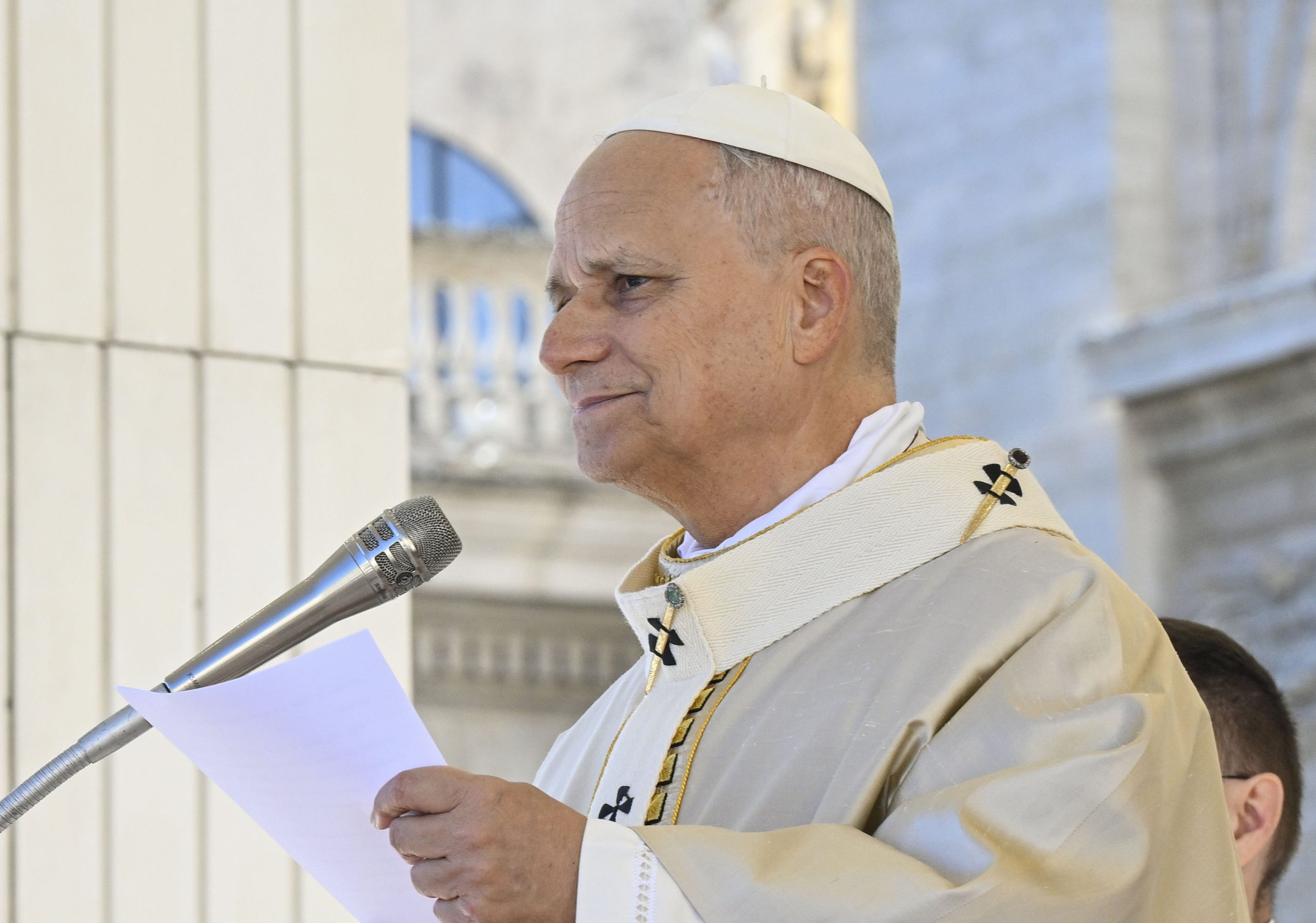
Pope Leo has approved the establishment of an inter-dicasterial commission at the Vatican on artificial intelligence—another sign of the importance he places on A.I. developments.
Pope Leo XIV has approved the creation of an inter-dicasterial commission at the Vatican to address the growing importance and impact of artificial intelligence on humanity and the church.
The commission was established via papal decree (rescriptum) due to the rapid development and potential effects of AI on humanity, reflecting the Church's concern for human dignity. It comprises representatives from four Vatican dicasteries and three pontifical academies: the Dicastery for Promoting Integral Human Development, the Dicastery for the Doctrine of the Faith, the Dicastery for Culture and Education, the Dicastery for Communication, the Pontifical Academy for Life, the Pontifical Academy of Sciences and the Pontifical Academy of Social Sciences. Any changes to its composition require papal approval.
Each of the seven participating institutions will appoint a representative. The Dicastery for Promoting Integral Human Development is entrusted with coordinating the commission for an initial term of one year, facilitating collaboration and information exchange among members regarding AI activities, projects, and policies within the Holy See, promoting dialogue, communion, and participation.
For over a decade, the Vatican has been studying AI, with Pope Francis addressing G7 leaders on AI ethics in 2024. Pope Leo XIV's decree marks the first official coordination of these varied efforts under a single inter-dicasterial commission, underscoring his significant and proactive engagement with the topic. His first encyclical is also expected to address AI.
Cardinal Michael Czerny S.J., prefect of the Dicastery for Promoting Integral Human Development, welcomed the commission as a 'real sign of hope' to help the Roman Curia address AI challenges for the Church and the world. He cited the constitution 'Praedicate Evangelium,' which calls on dicasteries to study major contemporary issues, and expressed his dicastery's honor in receiving this charge.