Quick Buzz Feed

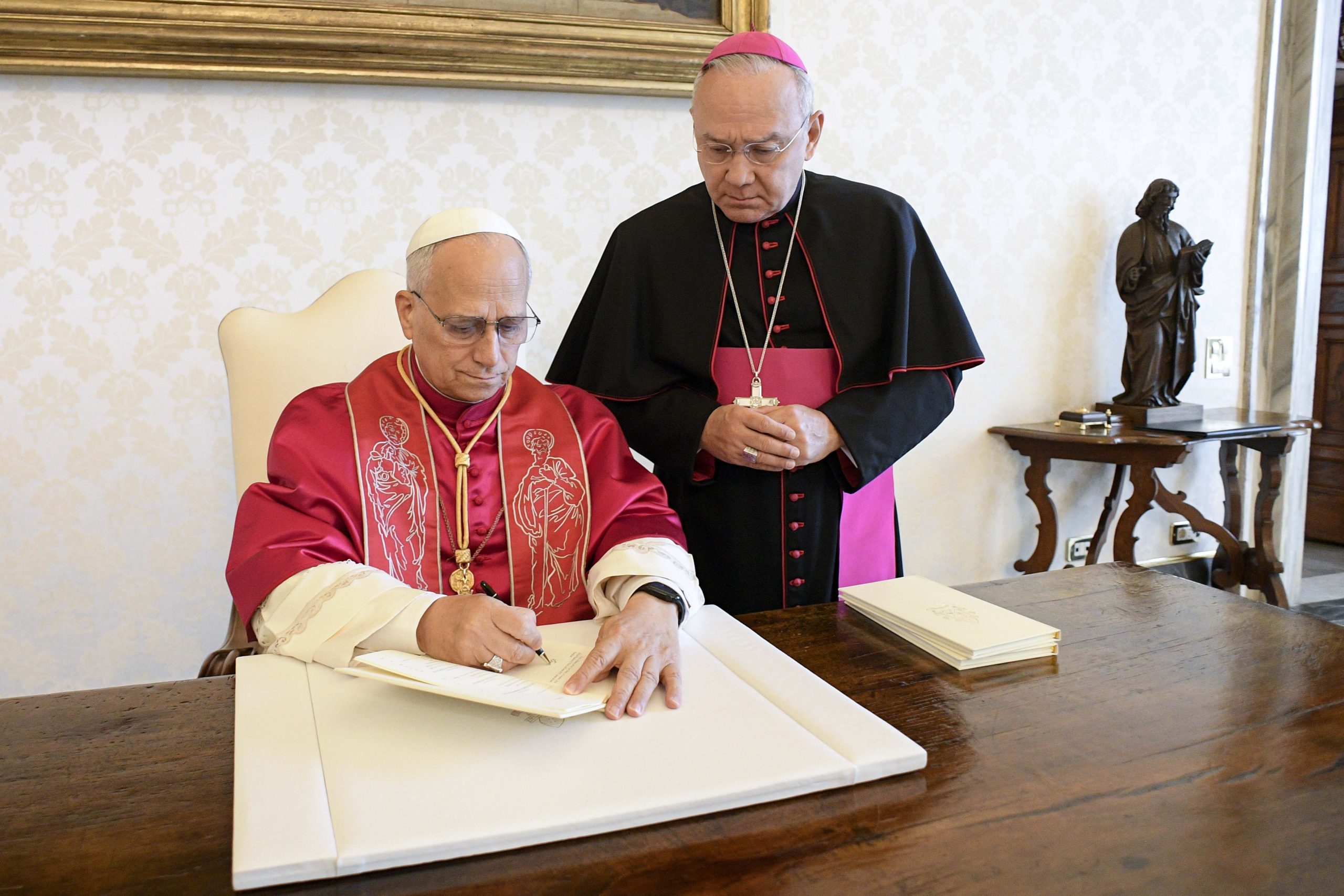
Breaking with precedent, Pope Leo XIV will present his first encyclical, ‘Magnifica Humanitas,’ on preserving humanity in the A.I. age, alongside Anthropic’s co-founder, potentially creating a new flashpoint with the Trump administration.
Pope Leo XIV is set to release his first encyclical, titled “Magnifica Humanitas” (Magnificent Humanity), on May 25. This significant document focuses on the protection of the human person in the age of artificial intelligence, drawing a parallel to Pope Leo XIII’s historic encyclical “Rerum Novarum,” which addressed the social upheaval of the Industrial Revolution. Breaking with tradition, the American-born Pope will personally present the lengthy text at the Vatican’s synod hall, providing a final blessing, marking a proactive engagement of the Church with contemporary technological challenges.
In a noteworthy decision, Christopher Olah, co-founder of the artificial intelligence company Anthropic, has been invited to speak at the encyclical's presentation. Anthropic is recognized for its commitment to prioritizing safety and risk mitigation in AI research. This collaboration is particularly significant as it suggests that the Pope’s stance on AI could lead to further tensions with the Trump administration. The administration previously imposed penalties on Anthropic for refusing unrestricted military access to its AI technology, a decision for which Anthropic is currently suing the government, alleging illegal retaliation.
The presentation of “Magnifica Humanitas” will feature a diverse panel of speakers. Alongside Christopher Olah, three prominent cardinals will participate: Víctor Manuel Fernández, prefect of the Dicastery for the Doctrine of the Faith; Michael Czerny, S.J., prefect of the Dicastery for Promoting Integral Human Development; and Pietro Parolin, the secretary of state. The panel will also include two esteemed female theologians: Professor Anna Rowlands from the University of Durham, an expert in social doctrine and human migration ethics, and Léocadie Lushombo, a consecrated woman from the Democratic Republic of Congo and a professor of theological ethics at Santa Clara University. Their collective expertise underscores the comprehensive and multifaceted approach to the encyclical’s themes.
Both Pope Francis and Pope Leo XIV have consistently voiced strong warnings against the misuse of artificial intelligence, particularly in military and civilian conflicts. Pope Francis addressed the G7 summit in June 2024 on this issue, and Pope Leo XIV recently reiterated these concerns at Rome’s La Sapienza University. He emphasized the urgent need for AI development and investment to align with a 'radical yes to life,' advocating for technology that promotes peace and justice rather than exacerbating conflicts, citing examples like Ukraine and Gaza. This consistent message highlights the Vatican’s deep concern for the ethical implications of AI and its commitment to human dignity in the face of advancing technology.