Quick Buzz Feed

The tech sector is only beginning to feel the impact of the helium supply shock.
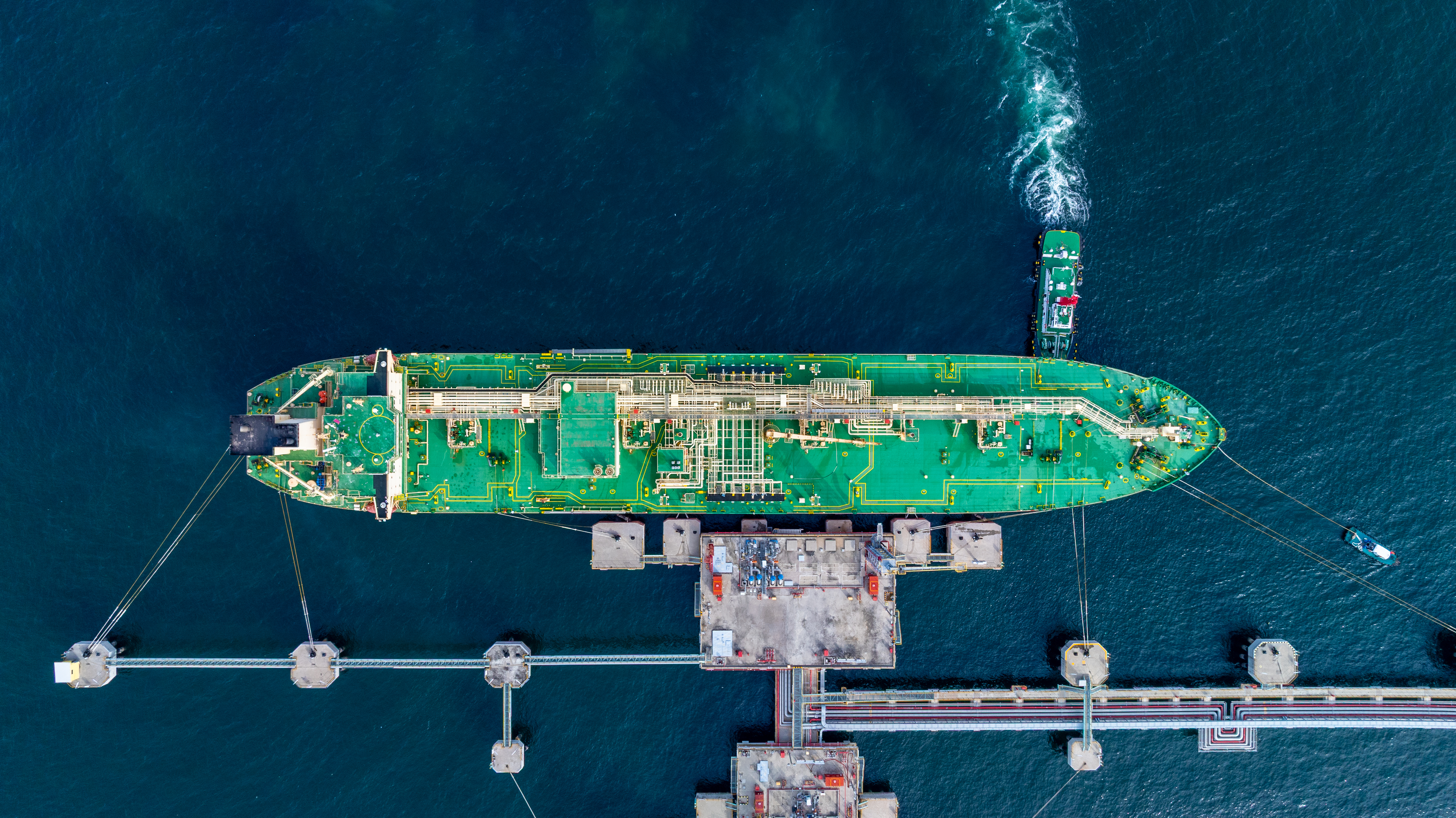
The global helium supply faces a severe, multi-year crisis stemming from Iranian drone and missile strikes in March on Qatar's Ras Laffan Industrial City, which is responsible for 30% to 38% of the world's helium production. Despite any potential diplomatic resolution like a ceasefire or reopening of the Strait of Hormuz, the physical damage to Qatar's crucial extraction infrastructure means that this significant portion of global supply remains offline. Experts project that comprehensive repairs could take anywhere from three to five years, indicating a prolonged shortage that will impact industries worldwide.
Helium is an essential and irreplaceable element in the fabrication of semiconductors, a cornerstone of the artificial intelligence (AI) sector. During the delicate etching process of silicon wafers, helium is critically used to efficiently draw away heat and maintain precise temperature control, a function for which no substitute exists due to its unique thermal conductivity. The Semiconductor Industry Association previously warned in 2023 that any disruption to the helium supply chain would unleash "shocks to the global semiconductor manufacturing industry," a theoretical concern that has now become a harsh reality. Compounding this issue, chipmakers typically maintain only about a week's supply of helium at their manufacturing facilities, with some holding roughly six months of strategic reserves at the supply chain level. Once these limited buffers are depleted, a substantial drop in chip yields and a slowdown in output are inevitable. Furthermore, the closure of the Strait of Hormuz stranded approximately 200 highly specialized cryogenic shipping containers, which are the only vessels capable of transporting liquid helium. These containers, costing around $1 million each, are scarce, and even if shipping routes were immediately restored, their repositioning, rerouting, and refilling would still cause considerable delays before new supplies could reach vital Asian chip foundries. This multifaceted disruption underscores helium's critical role and the severe repercussions of its scarcity on the AI and broader tech sector.
The ongoing helium crisis poses a significant threat to numerous companies, particularly those within the semiconductor and memory sectors, leading to potential financial pain for investors. Micron Technology, a leading manufacturer of DRAM and high-bandwidth memory (HBM) chips, stands out as one of the most directly exposed U.S. companies. Its fabrication facilities are heavily reliant on a continuous inflow of helium to sustain production. The situation is further complicated by the fact that all high-bandwidth memory projected for production through 2026 was already pre-sold under normal market conditions. A helium-induced slowdown in production will therefore intensify the existing shortage, escalating it into a broader crisis for the tech sector. Beyond memory chips, hard drive manufacturers like Seagate Technology and Western Digital are also finding themselves in similarly uncomfortable positions. Helium is an essential internal gas used in hard drives exceeding 10 terabytes, a common specification for modern data storage. Both companies have already reported significant price increases, ranging from 20% to 30%, on their 2026 production allocations directly attributable to the supply shock, highlighting the pervasive impact of this critical resource scarcity across the technology hardware industry.
Amidst the global helium shortage, a few key players are strategically positioned to potentially benefit from the constrained supply and rising prices. ExxonMobil emerges as a clear beneficiary due to its LaBarge, Wyoming, facility, which alone contributes approximately 20% of the world's normal helium supply. Following the shutdown of Qatar's Ras Laffan facility, spot helium prices have already seen a dramatic increase, surging from around $500 per thousand cubic feet to between $1,000 and $1,200, directly boosting ExxonMobil's revenue from this resource. Another significant player expected to gain is Linde, the world's largest industrial gas company. Many investors may overlook Linde's strategic advantage in this crisis. Given that helium supply is highly constrained and demand is inelastic (meaning buyers have no viable substitute and cannot easily reduce their consumption), whoever controls the distribution network wields substantial pricing power. Linde, with its extensive existing long-term helium distribution contracts spanning critical sectors such as semiconductor manufacturing, medical applications, and aerospace industries, is exceptionally well-placed to capitalize on this market dynamic. French peer Air Liquide, and other industrial gas companies like Air Products, are in comparable structural positions to leverage the tight supply conditions and potentially command higher prices for their helium distribution services.