Quick Buzz Feed

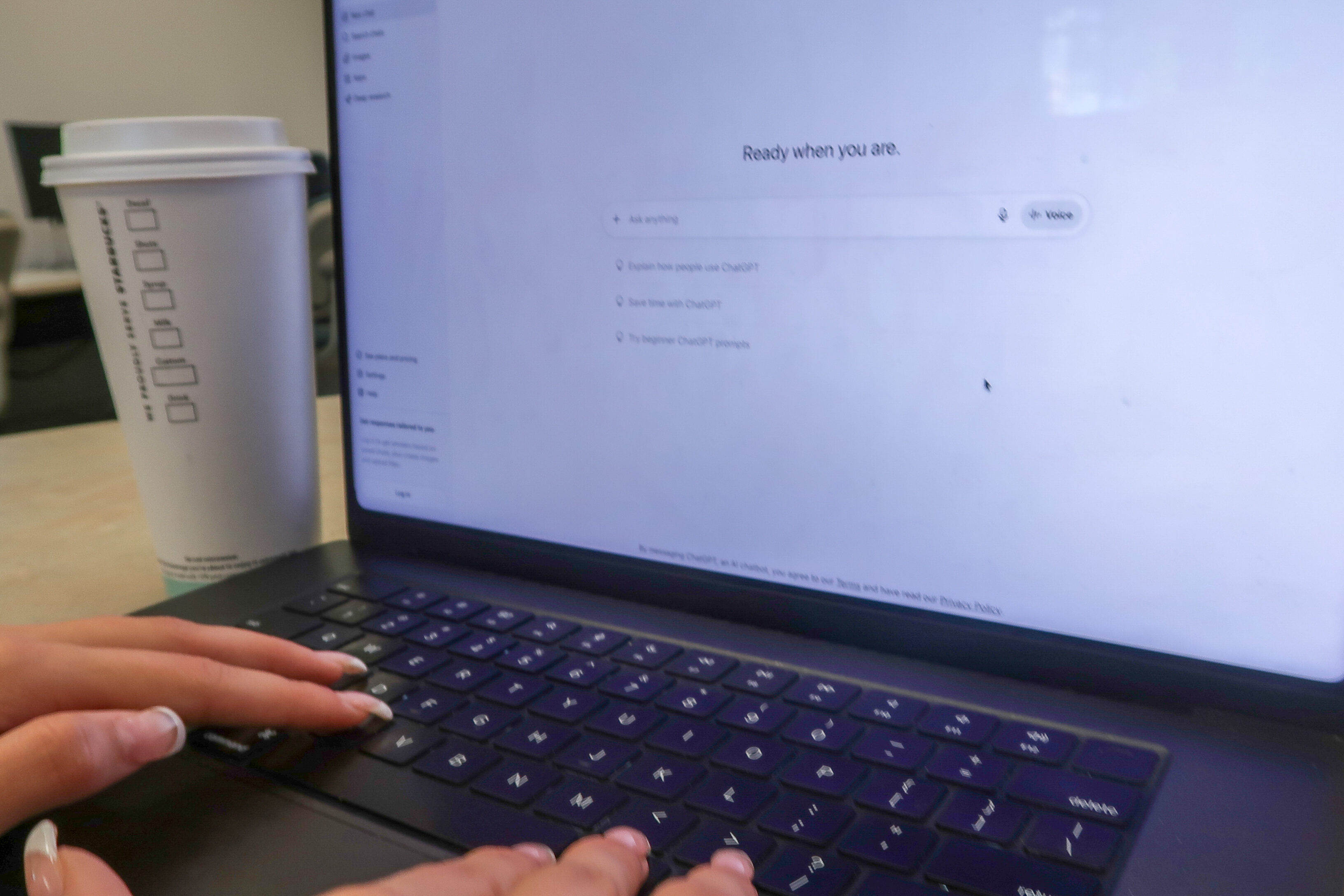
Professors discuss their different approaches to navigating AI and tech use in the classroom with the goal of optimizing learning.
As artificial intelligence and technology become more integrated into education and student life, professors at Lehigh University are adopting diverse strategies for their use in the classroom. While some enforce strict bans on devices, others promote responsible engagement with AI to enhance learning and prepare students for the future.
Psychology professor Michael Gill implemented a no-technology policy, prohibiting computers, iPads, and phones in his classes after observing a decline in exam grades and increased student distractions post-COVID. He found that students were often engaged in off-task activities, which he believes undermines the learning environment and disrespects instructors and peers. A student survey revealed strong support for the policy, and Gill noted a positive impact on classroom participation.
Computer science and engineering professor George Witmer allows students to decide their technology usage in class, encouraging them to learn how to use AI as an essential workplace skill. While acknowledging the challenges of identifying AI-generated work and students' susceptibility to distraction, he focuses on making lectures engaging and uses in-class worksheets to maintain attention. He expresses disappointment at students' distractions given their investment in education but respects their autonomy.
Marketing professor K. Sivakumar considers AI a neutral tool, whose value depends on the context and discipline. He rejects a blanket policy, noting that tools like Grammarly might be acceptable in a marketing course but not in an English class. His primary concern is that AI could short-circuit the critical thinking process, and he urges students to use it thoughtfully, refining its output with their own judgment and understanding its varied responses beyond a simple calculator or search engine. He also emphasizes that AI literacy will be crucial for future employment.
Kate Jackson, a professor in the College of Health, takes a strict stance against AI use in her classes, viewing technology as a barrier to student engagement. She acknowledges her position is an outlier but bases it on the environmental and social impacts of AI, including its water usage, noise pollution, and potential for bias. She finds many students in her sustainability-focused courses are relieved by her policy and believes that excessive screen use creates distance in the classroom and can make instructors feel undervalued. She would only reconsider her stance if more environmentally responsible AI systems were developed.