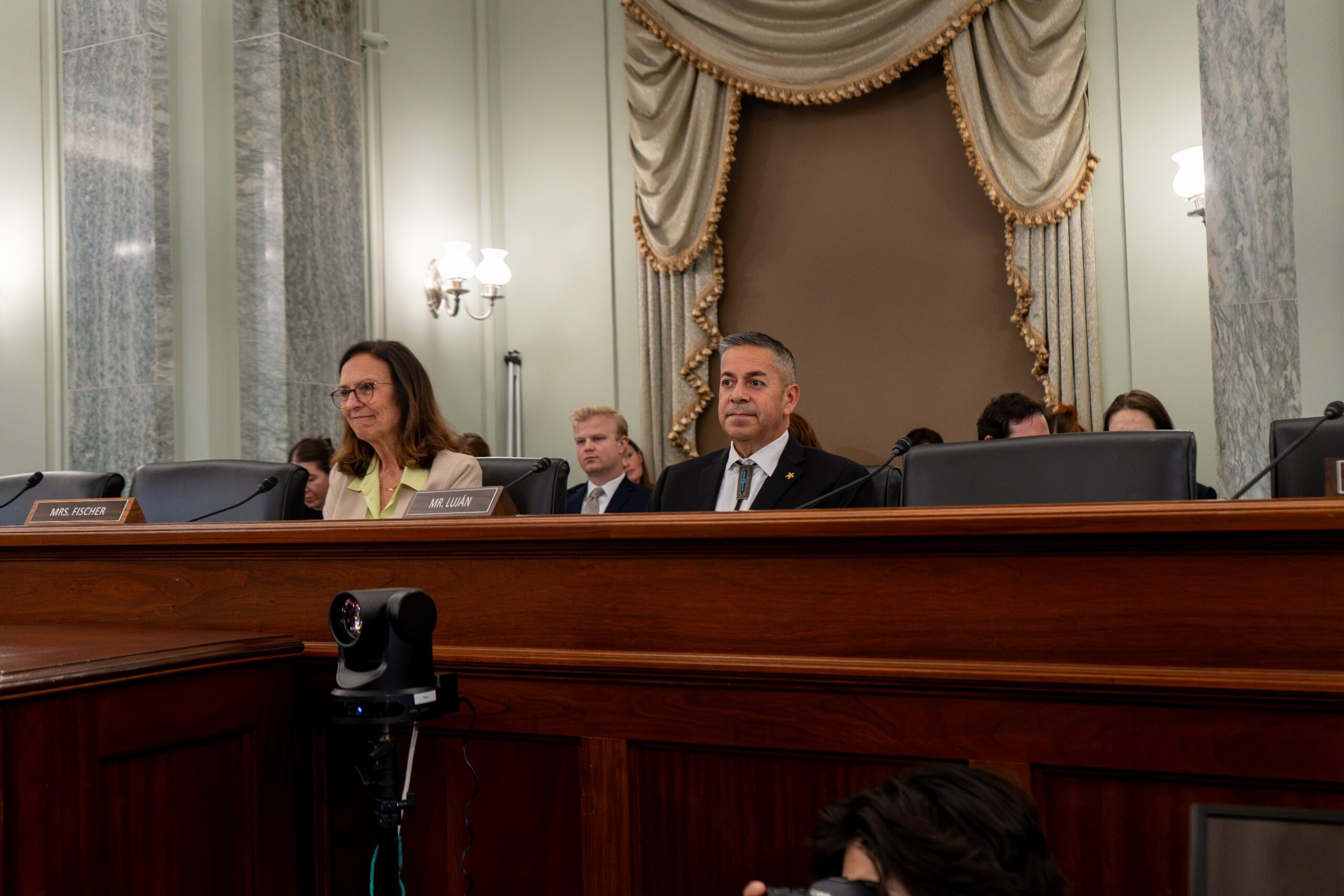
U.S. Sen. Ben Ray Luján (D-N.M.), Ranking Member of the Senate Commerce Committee’s Subcommittee on Telecommunications and Media, led a hearing titled “Intelligent Networks: Powering Artificial Intelligence and Transforming Communications.” The hearing explored AI's growing role in communication networks, broadband deployment, improving network resiliency, defending against cyber attacks, and optimizing network traffic, emphasizing that rural and underserved communities must not be left behind in the innovation economy.
Senate Subcommittee Hearing on AI in Communications Networks
U.S. Senator Ben Ray Luján (D-N.M.), who holds the position of Ranking Member on the Senate Commerce Committee’s Subcommittee on Telecommunications and Media, recently convened and led a crucial subcommittee hearing. This session was specifically titled “Intelligent Networks: Powering Artificial Intelligence and Transforming Communications,” and its primary purpose was to meticulously examine the rapidly advancing and increasingly pervasive integration of artificial intelligence (AI) within the framework of contemporary communication networks. The hearing was designed to facilitate a deep dive into the diverse impacts, strategic implications, and potential regulatory challenges associated with deploying AI across critical digital infrastructure. Senator Luján initiated this important conversation to understand how AI is reshaping the foundations of our digital future and to ensure that policy frameworks are adequately prepared for these technological shifts.
Key Areas of Discussion Regarding AI's Impact
Throughout the detailed proceedings of the hearing, Senator Luján systematically explored several pivotal aspects concerning the influence of artificial intelligence. A significant portion of the discussion was dedicated to AI's indispensable role in the continuous construction and enhancement of broadband infrastructure throughout the United States. A particular focus was directed towards how AI technologies could effectively support and streamline the Broadband Equity, Access, and Deployment (BEAD) program, thereby ensuring that high-speed internet access becomes a reality for all citizens, including those in remote and historically underserved areas. Furthermore, Senator Luján broadened the dialogue to encompass AI’s substantial potential in fortifying network resiliency, bolstering defense mechanisms against increasingly sophisticated and persistent cyber attacks, and optimizing the flow of data traffic across complex and interconnected networks. He articulated a strong conviction that current investments in communications infrastructure must be forward-looking, capable of supporting not only today's technologies but also the innovations of tomorrow. This proactive approach aims to guarantee that rural and underserved communities are fully integrated into and benefit from the burgeoning innovation economy, preventing digital divides from widening.
Distinguished Panel of Expert Witnesses
The insights and expertise shared during the hearing were significantly enriched by a distinguished panel of witnesses, each bringing a unique and valuable perspective to the complex topic of artificial intelligence in communications. The panel included Mr. Jonathan Spalter, who currently serves as the President and Chief Executive Officer of USTelecom–The Broadband Association, providing an essential industry perspective on broadband development. Also among the experts was Mr. Dan Watermeier, a Commissioner of the Nebraska Public Service Commission, offering crucial insights from a regulatory and state-level governance standpoint. Representing technological innovation and corporate strategy was Mr. Bob Everson, the Chief Architect of Provider Mobility at Cisco, a global leader in networking hardware and software. Finally, Mr. Asad Ramzanali, the Director of Artificial Intelligence and Technology Policy at the Vanderbilt Policy Accelerator, contributed his profound knowledge on the overarching policy implications and the future trajectory of AI development. The collective testimony from these diverse experts provided a comprehensive and multi-faceted understanding of both the opportunities and the inherent challenges that AI presents within the communications sector.