Quick Buzz Feed

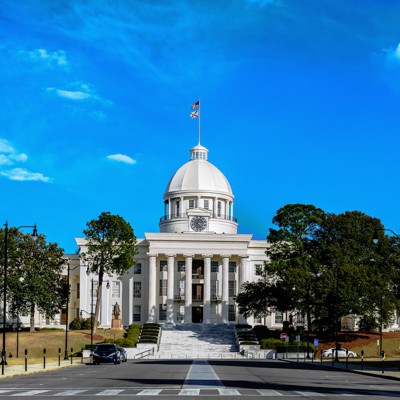
The leader of the Alabama Senate said regulating AI would be a “colossal task,” and the Legislature would have to take “baby steps.”
Alabama lawmakers face a 'colossal task' in regulating artificial intelligence to safeguard children. The state's Commission on Artificial Intelligence and Children’s Safety, comprising various stakeholders, suggests a cautious 'baby steps' approach, acknowledging the inherent complexities and the need to educate legislators and the public on AI's implications.
Andrew Kingman of Mariner Strategies highlighted the importance of clear and consistent AI regulations across states for the business community. He cited laws in Colorado and Connecticut as effective models, which require AI developers to disclose that chatbots are not human and prohibit incentivizing engagement, having withstood First Amendment challenges.
While Alabama passed a law in 2026 for age verification on app stores, experts advise against mandating identification for chatbot use, warning it could compromise online anonymity and increase data collection. Nancy Brinson of the University of Alabama emphasized that chatbots collect both explicit and implicit user data, underscoring the potential harm to children and advocating for greater transparency, parental education, and active mediation tools for parents.
Research indicates a potential for adolescent dependency on AI and chatbots, with some studies linking it to academic and relational challenges. However, Robert Epstein from the American Institute for Behavioral Research and Technology argued against imposing age limits on chatbots, stressing the preservation of parental rights and the importance of educating children, parents, and lawmakers about AI and data collection.
Alabama lawmakers, including Sen. Matt Woods and Senate President Pro Tem Garlan Gudger, reaffirmed their dedication to protecting children through forthcoming legislation. They plan to leverage expert insights to develop data-driven protections, emphasizing that child safety and public welfare will take precedence over regulatory hurdles in their legislative decisions.