Quick Buzz Feed

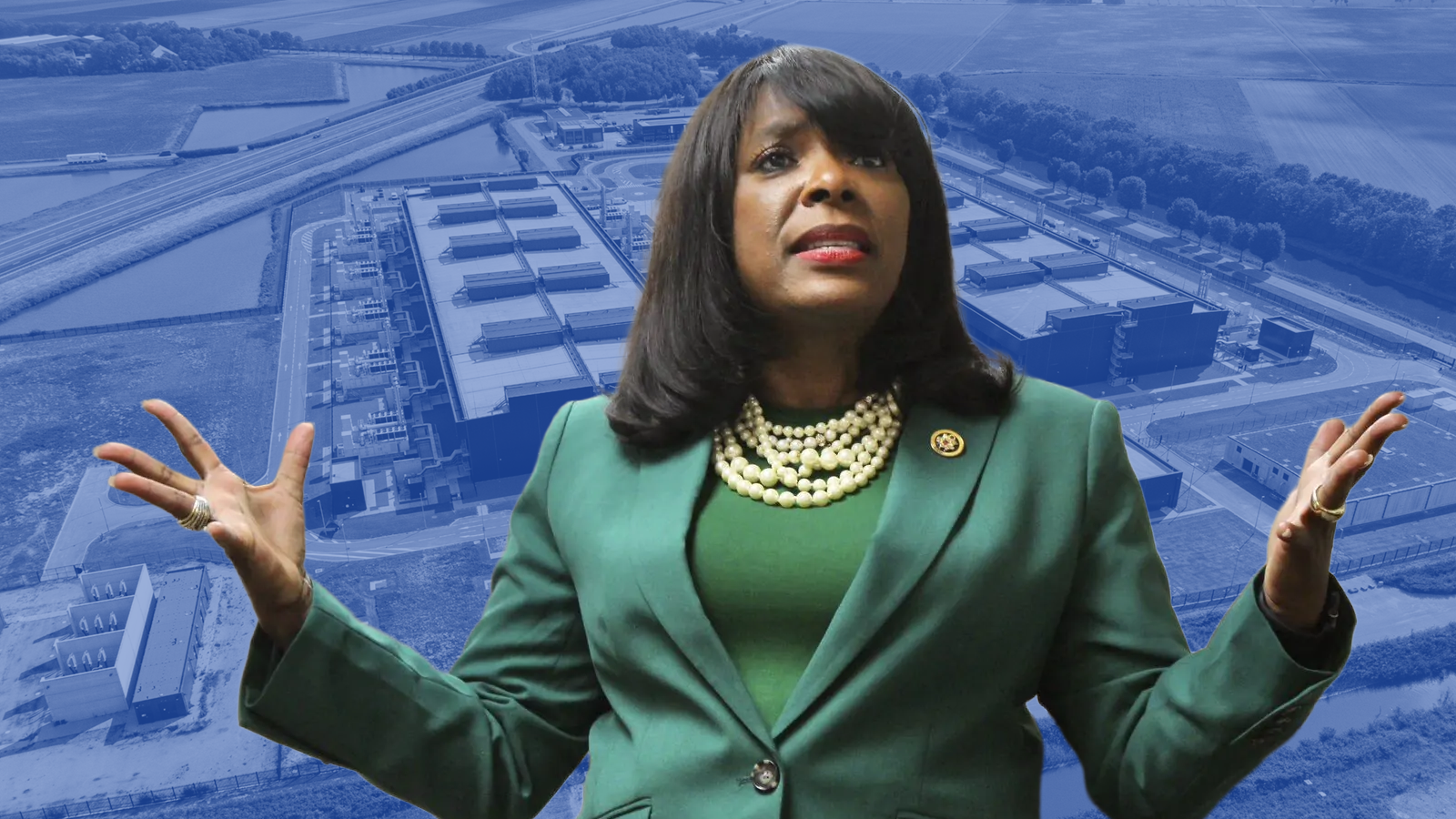
“As we build the economy of tomorrow, we must ensure that innovation lifts up every community,” Sewell said.
U.S. Representative Terri Sewell (D-Alabama) has announced her cosponsorship of the Artificial Intelligence Data Center Moratorium Act. This significant piece of legislation, introduced in the House by Representative Alexandria Ocasio-Cortez (D-New York) and in the Senate by Senator Bernie Sanders (I-Vermont), seeks to impose a temporary halt on the construction of new artificial intelligence (AI) data centers. The primary aim of the act is to provide Congress with time to establish necessary regulations and safeguards. Specifically, it calls for federal approval mechanisms for new AI models and mandates that the economic benefits generated by AI technologies are equitably shared among workers and communities. This initiative underscores a growing concern among lawmakers regarding the unchecked expansion of AI infrastructure.
Sewell's decision to back this moratorium is deeply rooted in concerns expressed by her constituents and communities across Alabama and the wider nation. In her video statement, Sewell highlighted a range of 'risks and many, many unknowns' associated with the proliferation of AI data centers. These concerns include potential adverse impacts on local water resources, the environment, and property values. She questioned whether local communities would genuinely receive the promised benefits of investment, job creation, and tax revenue, emphasizing the need for transparency on 'who benefits and who bears the costs.' Alabamians have actively opposed proposed data center projects in various locations, including Bessemer, Birmingham, and Fairfield, demonstrating a strong public sentiment against unregulated development. A recent Gallup poll further validates these public anxieties, revealing that approximately 70 percent of Americans object to the construction of a data center in their immediate area, with half expressing strong opposition. This public outcry has elevated data center regulation to a prominent issue in political discourse and campaigns.
The debate surrounding AI data centers has rapidly become a key talking point in political campaigns at both state and national levels. For instance, Senator Tommy Tuberville (R-Alabama) has voiced support for data centers, citing their potential to generate additional tax revenue for the state. Conversely, his gubernatorial election opponent, former Senator Doug Jones (D-Alabama), has advocated for establishing 'guardrails' to manage these projects more effectively. At the state level, Alabama Public Service Commission candidate Sheila McNeil has called for stricter scrutiny of data center proposals, particularly concerning their potential impact on local communities and energy prices. Demonstrating a proactive stance, the Alabama Legislature passed a law during the 2026 Legislative Session, subsequently signed by Governor Kay Ivey, which limits the tax abatements available to data center projects. Nationally, New York Governor Kathy Hochul recently enacted the first statewide data center moratorium, describing it as a necessary step to 'step back, take a breath, and get it right' by creating a transparent regulatory environment for investors.
While the Artificial Intelligence Data Center Moratorium Act currently has limited bipartisan support, with only 10 other House cosponsors, all of whom are Democrats, Representative Sewell's endorsement signals a strategic political move. Her support suggests an effort by Alabama Democrats to align with and garner support from a growing segment of the electorate that is skeptical of AI and data center expansion. Sewell's closing statement encapsulates the core philosophy behind her cosponsorship: 'As we build the economy of tomorrow, we must ensure that innovation lifts up every community rather than leaving some to bear the costs. Responsible innovation and community protection are not competing goals—they are complementary ones.' This highlights a commitment to balancing technological advancement with community well-being and environmental stewardship, ensuring that the benefits of the AI era are broadly distributed while mitigating potential negative consequences.