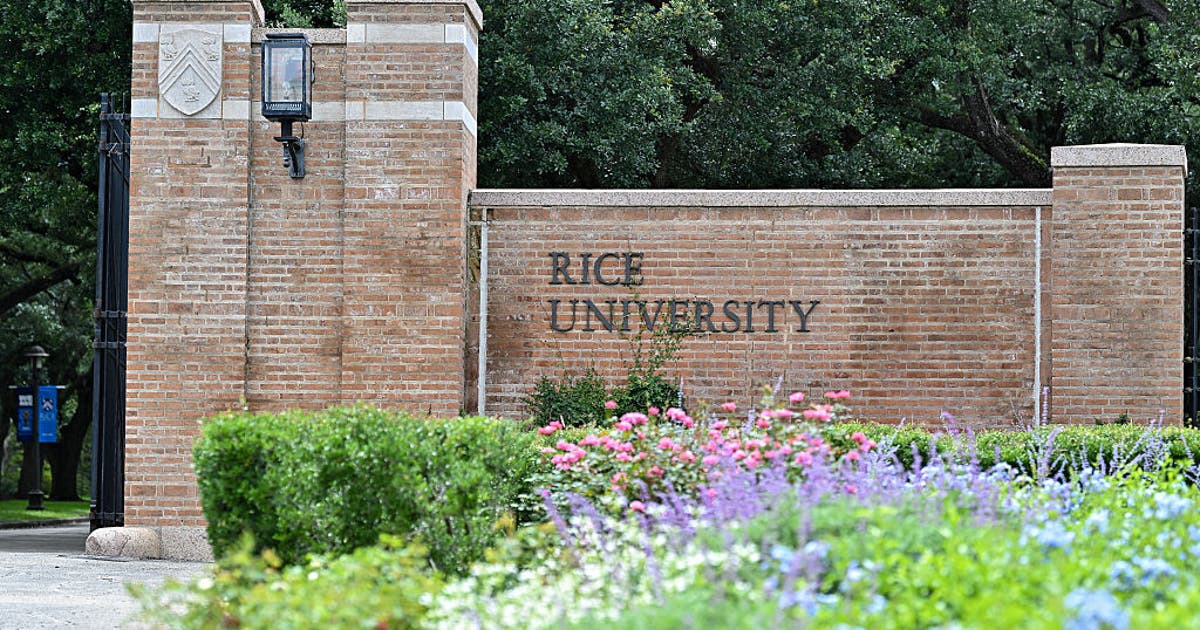
Rice University has announced a dedicated Master of Artificial Intelligence (MAI) program launching next fall.
The Brief Rice University is introducing a Master of Artificial Intelligence (MAI) degree next fall to address the high demand for specialized AI engineers. The curriculum features small cohort sizes and hands-on technical work, including internships, to provide practical experience for roles at leading AI companies. While short-term certifications can boost salaries (with 72% of employers willing to pay more for AI skills), the master's degree is designed for those aiming to be architects of future technology. Bridging the Undergrad Knowledge Gap University leadership notes that traditional computer science degrees often lack deep AI specialization. Dr. Chris Jermaine, Chair of Rice University’s Computer Science Department, stated that the MAI program is intended to complete undergraduate education by providing the advanced AI knowledge needed for careers in the field. The program is tailored for recent computer science graduates and professionals, emphasizing personalized instruction through small cohort sizes and mandatory real-world technical experience, such as internships. The Financial Value of AI Skills With a high demand for AI professionals, job seekers often question the necessity of an additional degree. Robert Vaughn, Regional Manager at Robert Half Tech Jobs & Staffing Solutions, confirmed that a study showed 72% of employers would pay more for individuals with AI skills, indicating a significant salary premium. While short-term certifications are beneficial, Rice's MAI program aims to train individuals to be the architects of future technology, highlighting that investing in continuous learning is always advantageous for career advancement, as AI continues to reshape industries.
The Brief
Rice University is introducing a Master of Artificial Intelligence (MAI) degree next fall to address the high demand for specialized AI engineers. The curriculum features small cohort sizes and hands-on technical work, including internships, to provide practical experience for roles at leading AI companies. While short-term certifications can boost salaries (with 72% of employers willing to pay more for AI skills), the master's degree is designed for those aiming to be architects of future technology.
Bridging the Undergrad Knowledge Gap
University leadership notes that traditional computer science degrees often lack deep AI specialization. Dr. Chris Jermaine, Chair of Rice University’s Computer Science Department, stated that the MAI program is intended to complete undergraduate education by providing the advanced AI knowledge needed for careers in the field. The program is tailored for recent computer science graduates and professionals, emphasizing personalized instruction through small cohort sizes and mandatory real-world technical experience, such as internships.
The Financial Value of AI Skills
With a high demand for AI professionals, job seekers often question the necessity of an additional degree. Robert Vaughn, Regional Manager at Robert Half Tech Jobs & Staffing Solutions, confirmed that a study showed 72% of employers would pay more for individuals with AI skills, indicating a significant salary premium. While short-term certifications are beneficial, Rice's MAI program aims to train individuals to be the architects of future technology, highlighting that investing in continuous learning is always advantageous for career advancement, as AI continues to reshape industries.