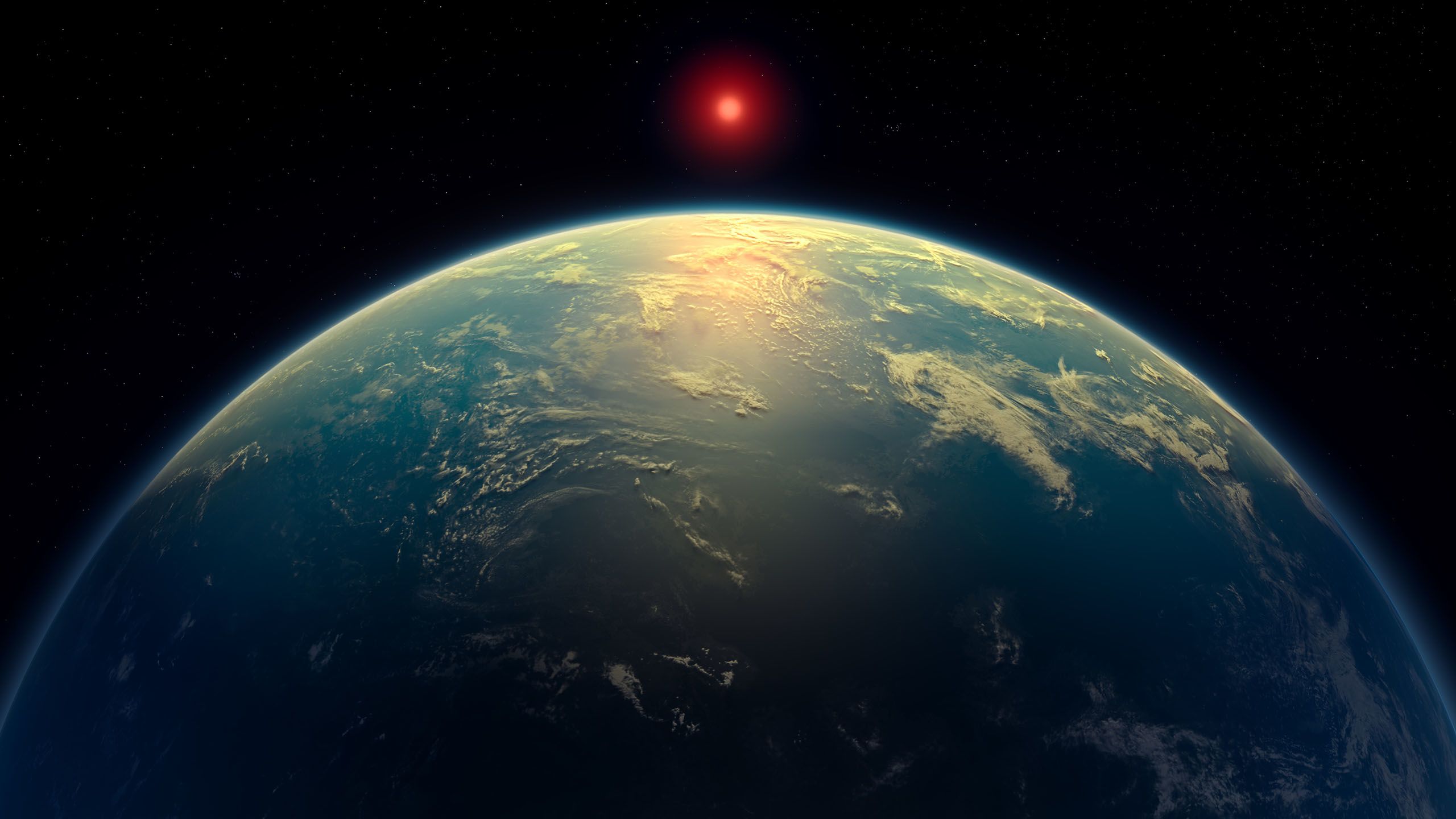
Astronomers, led by the University of Cambridge, have detected compelling signs of possible biosignature molecules dimethyl sulfide (DMS) and/or dimethyl disulfide (DMDS) in the atmosphere of the exoplanet K2-18b using data from the James Webb Space Telescope. These molecules on Earth are produced only by life, primarily microbial, making this the strongest evidence to date for potential life beyond our solar system, though scientists remain cautious and call for further observations and studies.
Detection of Biosignature Molecules
Using the James Webb Space Telescope, scientists detected the chemical fingerprints of dimethyl sulfide (DMS) and/or dimethyl disulfide (DMDS) in the atmosphere of K2-18b, an exoplanet orbiting in its star’s habitable zone. On Earth, these sulfur-based molecules are only produced by life, especially microbial marine life, making their presence on K2-18b a strong hint of biological activity.
Observational Significance and Next Steps
The detection reached a three-sigma level of statistical significance, indicating a low probability the results were due to chance, but not yet at the five-sigma threshold considered definitive in scientific discovery. Researchers plan to perform 16 to 24 hours of follow-up observations with JWST to increase confidence in these findings.
Previous Observations and the Hycean World Hypothesis
Earlier observations of K2-18b revealed methane and carbon dioxide in its atmosphere, marking the first discovery of carbon-based molecules in a habitable zone exoplanet. These findings supported the 'Hycean' planet model — a habitable ocean-covered world beneath a hydrogen-rich atmosphere. The recent observations of sulfur-based molecules align with theoretical predictions about Hycean worlds.
Scientific Caution and Further Research
Scientists emphasize cautious optimism, acknowledging that non-biological chemical processes might account for the observations. The team aims to conduct further theoretical and experimental studies to evaluate alternative explanations for the presence of DMS and DMDS on K2-18b’s atmosphere.
Implications for the Search for Life
While the results are not yet definitive proof of extraterrestrial life, they represent a significant advancement in humanity’s quest to answer whether we are alone in the universe. The discoveries highlight the potential of JWST and future telescopes to transform our understanding of life beyond Earth.
About the James Webb Space Telescope and Research Support
The JWST is a joint project of NASA, ESA, and the Canadian Space Agency. The research was supported by a UK Research and Innovation Frontier Research Grant, underscoring the international collaboration and advanced technology driving the search for biosignatures.