Quick Buzz Feed

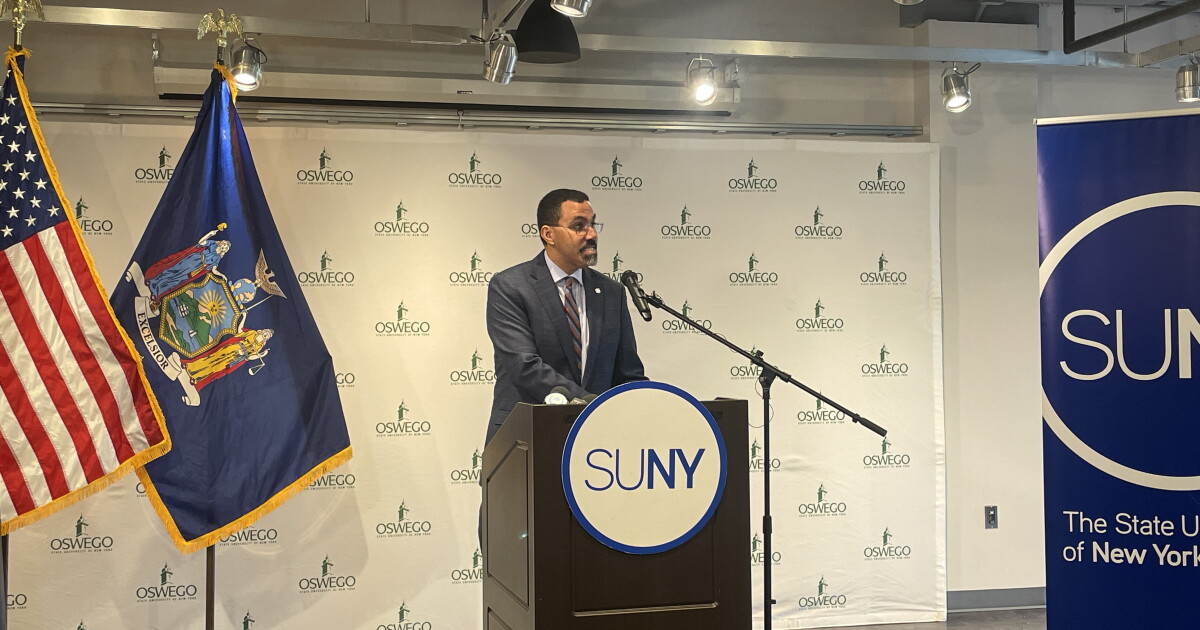
SUNY Chancellor John King says adding AI and civic discourse to general education will equip students with skills for respectful and reasoned discussions.
Starting with the fall semester, all SUNY students will be required to integrate civic discourse and artificial intelligence components into their general education curriculum. These systemwide changes are designed to prepare students for a rapidly evolving world, equipping them with essential skills for effective communication and technological literacy.
The civic discourse requirement aims to ensure that every graduating student possesses the knowledge and skills necessary for engaging in respectful and reasoned discussions. SUNY Chancellor John King emphasized that students will encounter diverse political views and values in both academic and professional settings. The curriculum will teach them to work productively with individuals holding different perspectives, listen actively, and navigate complex issues without merely waiting for their turn to speak.
Students will also receive education on artificial intelligence, learning how to utilize these emerging technologies and understand their ethical implications. Chancellor King highlighted the significant role AI will play in the future economy and culture, making it crucial for students to be aware of both the vast opportunities and the inherent, very real risks associated with artificial intelligence. This component ensures students are technologically informed and responsible.
Despite the integration of AI education, Chancellor King assured that the focus remains on nurturing critical thinking rather than replacing it. To this end, SUNY plans to reinforce traditional pedagogical methods such as 'old-fashioned blue books' for in-class writing, more oral presentations, and 'cold calling' in classrooms. These approaches are intended to ensure that students continue to engage in deep analytical thought and develop their independent reasoning abilities.