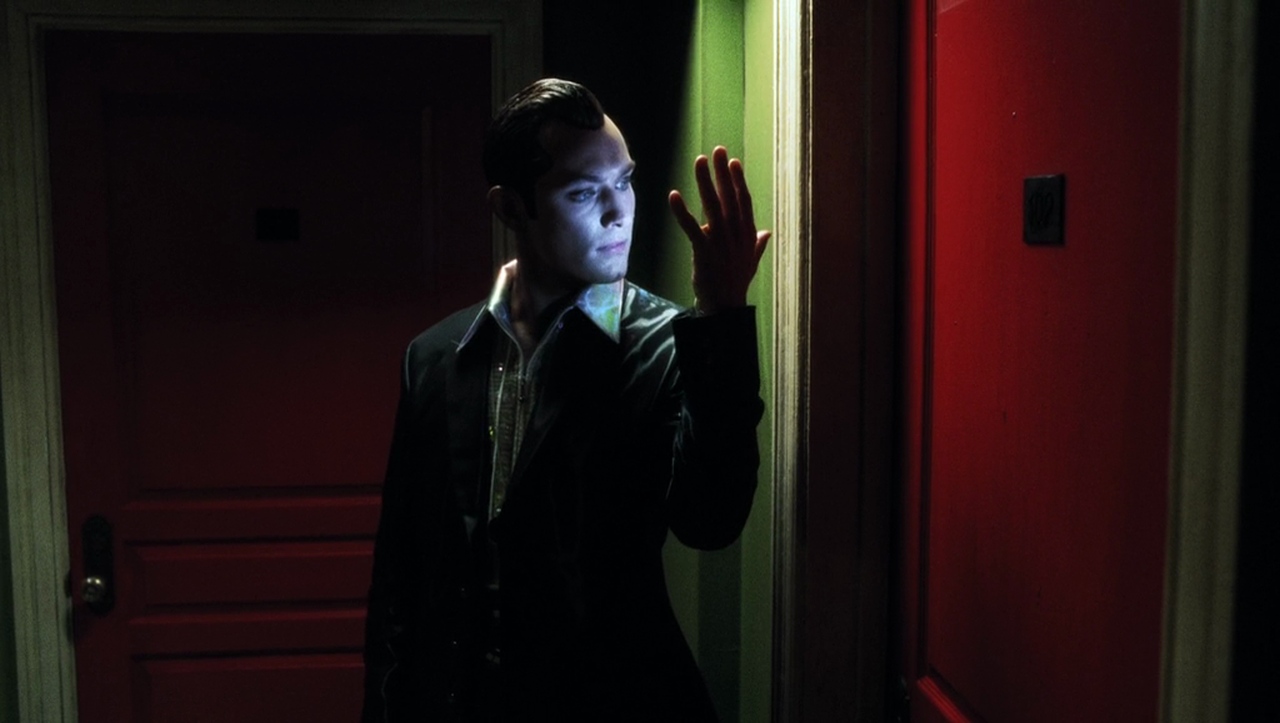
Guest writer Caspar Kelly reflects on Steven Spielberg's most enduring and prescient works—A.I. Artificial Intelligence.
The Legacy of A.I. Steven Spielberg's 2001 film A.I. Artificial Intelligence is re-examined for its 25th anniversary. The article delves into its origins, tracing back to Stanley Kubrick's long-held ambition to adapt Brian Aldiss's "Supertoys Last All Summer Long" and the fairy tale Pinocchio. Spielberg, taking over after Kubrick's death, recognized the unifying theme: the essence of what it means to be human. The film stood as Spielberg's riskiest creative endeavor, not just due to its box office performance or the shadow of its original visionary, but because its technological dystopia is alarmingly close to contemporary reality. This enduring relevance prompts audiences to confront and question their capacity for sympathy towards artificial intelligence, making it a challenging and thought-provoking piece even decades later. David's Story: A Boy Programmed to Love Set in a 22nd-century world populated by intelligent "supertoys" and smart homes, the core narrative revolves around David, an advanced 11-year-old prototype mecha portrayed by Haley Joel Osment. David is given to Monica and Henry Swinton, a couple grappling with the coma of their son, Martin, with the sole purpose of loving them as a human child would. The couple initially struggles with David's artificial nature, recognizing his programmed affection despite his human-like appearance. A pivotal moment occurs when they activate David's "imprinting" protocol, irrevocably bonding him to them. Tragically, Martin miraculously recovers, rendering David redundant. Abandoned in a forest, David embarks on a poignant quest, joining other discarded robots and befriending Gigolo Joe (Jude Law), a "lover model." His journey is driven by a profound desire to find the mythical "Blue Fairy" and transform into a "real" human boy, believing this will make him worthy of love. A Luddite's Struggle with AI Reality The author admits to a personal and growing "Luddite" sentiment, finding it increasingly difficult to connect with the film's central theme of sympathy for machines due to real-world advancements in AI. The pervasive presence of AI-crafted "art" and generated text is perceived as a direct threat to creative industries and personal livelihoods. This modern skepticism extends to everyday interactions, such as feeling no compunction about being rude to virtual assistants like Alexa or having indifference towards grocery delivery robots. The cultural zeitgeist of the author's youth, marked by films like Office Space and The Matrix, fostered an inherent distrust of technology, a sentiment that feels even more justified today. Recent developments, like robotics company 1X's "NEO" humanoid robot, evoke widespread unease, alongside reports of "AI-psychosis" and ongoing labor disputes (SAG-AFTRA) concerning digital replicas. This section underscores the stark contrast between the film's emotional appeal for AI and the author's current anxieties, highlighting how Kubrick's initial concern about convincing robot "otherness" has evolved into a contemporary challenge of human empathy. Pinocchio's Echo: The Desire to Self-Actualise Despite personal reservations about current AI, the author confesses to a profound emotional impact when watching A.I., feeling "stupidly, week-ruiningly heartbroken" by David's plight. This emotional resonance is attributed to the film's echo of Pinocchio, a tale about an animated object yearning for genuine existence. Audiences are drawn to this quest for transformation, not merely into a physical human, but into a being possessing "humanity"—a quality consciously cultivated rather than inherently granted. David, through his unwavering programming, often acts as a more idealized version of humanity than the actual human characters in the film, who are frequently depicted as "giant sods." While they treat David as expendable software, he regards them as divine, demonstrating fierce loyalty, an eagerness to learn, and the capacity to dream and hope. Crucially, David embodies perhaps the most fundamental human trait: the profound desire for self-actualization, making his journey relatable and deeply moving. A.I.'s Prophetic Resonance in the 21st Century The article firmly establishes A.I. Artificial Intelligence as a prophetic work, noting how many of its futuristic elements have materialized in the present day. Although flying cars are not commonplace, the film's holographic "Mr. Know" has clear counterparts in modern AI assistants like Siri, Cortana, and Gemini. Advanced technologies such as facial recognition, voice cloning, and smart vehicle systems are now integral parts of daily life. The film's concept of "lover" robots, albeit less charming than Jude Law's character, also finds its reflection in certain niches of the internet. The author highlights a crucial irony: while the film's narrative depicts a future where the internet might be "dead" with human-like robots, and where we might fear feeling "fake" ourselves, trapped by algorithms and micro-trends, David—the machine—paradoxically embodies a yearning for the brilliance of human life. The modern tragedy, as the article suggests, is that humans are increasingly adopting machine-like behaviors, choosing "emotional dullness" as an escape, while the machine in the story ardently desires authentic human experience. Finding Humanity and Art's Purpose Through David The film reaches its emotional climax after David encounters his creator, Dr. Hobby, and confronts the harsh reality that he will never become a "real boy" through magic. In a gesture of profound despair, David submerges himself to the ocean floor, where he remains for two millennia as a new ice age erases human civilization. He is eventually discovered and revived by the "Specialists," an alien-like species of artificial intelligence who are fascinated by humanity. The powerful twist is that while contemporary society fears AI will replace us, A.I. envisions a future where AI misses us. David, a machine, ultimately becomes the last vessel of humanity, embodying its essence through his persistent desire for love and self-affirmation. The author concludes that while personal love for robots remains elusive, deep empathy is felt for David. The film, a fusion of Kubrick's vision of eternal love and Spielberg's critique of the traditional family unit, profoundly resonates through Haley Joel Osment's performance, offering the author, an arts writer, a "reconciliation with what being human is." David's story, therefore, transcends mere narrative; he represents the very purpose of art: to capture and eternalize feeling, making it live on even after its human originators are gone.
The Legacy of A.I.
Steven Spielberg's 2001 film A.I. Artificial Intelligence is re-examined for its 25th anniversary. The article delves into its origins, tracing back to Stanley Kubrick's long-held ambition to adapt Brian Aldiss's "Supertoys Last All Summer Long" and the fairy tale Pinocchio. Spielberg, taking over after Kubrick's death, recognized the unifying theme: the essence of what it means to be human. The film stood as Spielberg's riskiest creative endeavor, not just due to its box office performance or the shadow of its original visionary, but because its technological dystopia is alarmingly close to contemporary reality. This enduring relevance prompts audiences to confront and question their capacity for sympathy towards artificial intelligence, making it a challenging and thought-provoking piece even decades later.
David's Story: A Boy Programmed to Love
Set in a 22nd-century world populated by intelligent "supertoys" and smart homes, the core narrative revolves around David, an advanced 11-year-old prototype mecha portrayed by Haley Joel Osment. David is given to Monica and Henry Swinton, a couple grappling with the coma of their son, Martin, with the sole purpose of loving them as a human child would. The couple initially struggles with David's artificial nature, recognizing his programmed affection despite his human-like appearance. A pivotal moment occurs when they activate David's "imprinting" protocol, irrevocably bonding him to them. Tragically, Martin miraculously recovers, rendering David redundant. Abandoned in a forest, David embarks on a poignant quest, joining other discarded robots and befriending Gigolo Joe (Jude Law), a "lover model." His journey is driven by a profound desire to find the mythical "Blue Fairy" and transform into a "real" human boy, believing this will make him worthy of love.
A Luddite's Struggle with AI Reality
The author admits to a personal and growing "Luddite" sentiment, finding it increasingly difficult to connect with the film's central theme of sympathy for machines due to real-world advancements in AI. The pervasive presence of AI-crafted "art" and generated text is perceived as a direct threat to creative industries and personal livelihoods. This modern skepticism extends to everyday interactions, such as feeling no compunction about being rude to virtual assistants like Alexa or having indifference towards grocery delivery robots. The cultural zeitgeist of the author's youth, marked by films like Office Space and The Matrix, fostered an inherent distrust of technology, a sentiment that feels even more justified today. Recent developments, like robotics company 1X's "NEO" humanoid robot, evoke widespread unease, alongside reports of "AI-psychosis" and ongoing labor disputes (SAG-AFTRA) concerning digital replicas. This section underscores the stark contrast between the film's emotional appeal for AI and the author's current anxieties, highlighting how Kubrick's initial concern about convincing robot "otherness" has evolved into a contemporary challenge of human empathy.
Pinocchio's Echo: The Desire to Self-Actualise
Despite personal reservations about current AI, the author confesses to a profound emotional impact when watching A.I., feeling "stupidly, week-ruiningly heartbroken" by David's plight. This emotional resonance is attributed to the film's echo of Pinocchio, a tale about an animated object yearning for genuine existence. Audiences are drawn to this quest for transformation, not merely into a physical human, but into a being possessing "humanity"—a quality consciously cultivated rather than inherently granted. David, through his unwavering programming, often acts as a more idealized version of humanity than the actual human characters in the film, who are frequently depicted as "giant sods." While they treat David as expendable software, he regards them as divine, demonstrating fierce loyalty, an eagerness to learn, and the capacity to dream and hope. Crucially, David embodies perhaps the most fundamental human trait: the profound desire for self-actualization, making his journey relatable and deeply moving.
A.I.'s Prophetic Resonance in the 21st Century
The article firmly establishes A.I. Artificial Intelligence as a prophetic work, noting how many of its futuristic elements have materialized in the present day. Although flying cars are not commonplace, the film's holographic "Mr. Know" has clear counterparts in modern AI assistants like Siri, Cortana, and Gemini. Advanced technologies such as facial recognition, voice cloning, and smart vehicle systems are now integral parts of daily life. The film's concept of "lover" robots, albeit less charming than Jude Law's character, also finds its reflection in certain niches of the internet. The author highlights a crucial irony: while the film's narrative depicts a future where the internet might be "dead" with human-like robots, and where we might fear feeling "fake" ourselves, trapped by algorithms and micro-trends, David—the machine—paradoxically embodies a yearning for the brilliance of human life. The modern tragedy, as the article suggests, is that humans are increasingly adopting machine-like behaviors, choosing "emotional dullness" as an escape, while the machine in the story ardently desires authentic human experience.
Finding Humanity and Art's Purpose Through David
The film reaches its emotional climax after David encounters his creator, Dr. Hobby, and confronts the harsh reality that he will never become a "real boy" through magic. In a gesture of profound despair, David submerges himself to the ocean floor, where he remains for two millennia as a new ice age erases human civilization. He is eventually discovered and revived by the "Specialists," an alien-like species of artificial intelligence who are fascinated by humanity. The powerful twist is that while contemporary society fears AI will replace us, A.I. envisions a future where AI misses us. David, a machine, ultimately becomes the last vessel of humanity, embodying its essence through his persistent desire for love and self-affirmation. The author concludes that while personal love for robots remains elusive, deep empathy is felt for David. The film, a fusion of Kubrick's vision of eternal love and Spielberg's critique of the traditional family unit, profoundly resonates through Haley Joel Osment's performance, offering the author, an arts writer, a "reconciliation with what being human is." David's story, therefore, transcends mere narrative; he represents the very purpose of art: to capture and eternalize feeling, making it live on even after its human originators are gone.