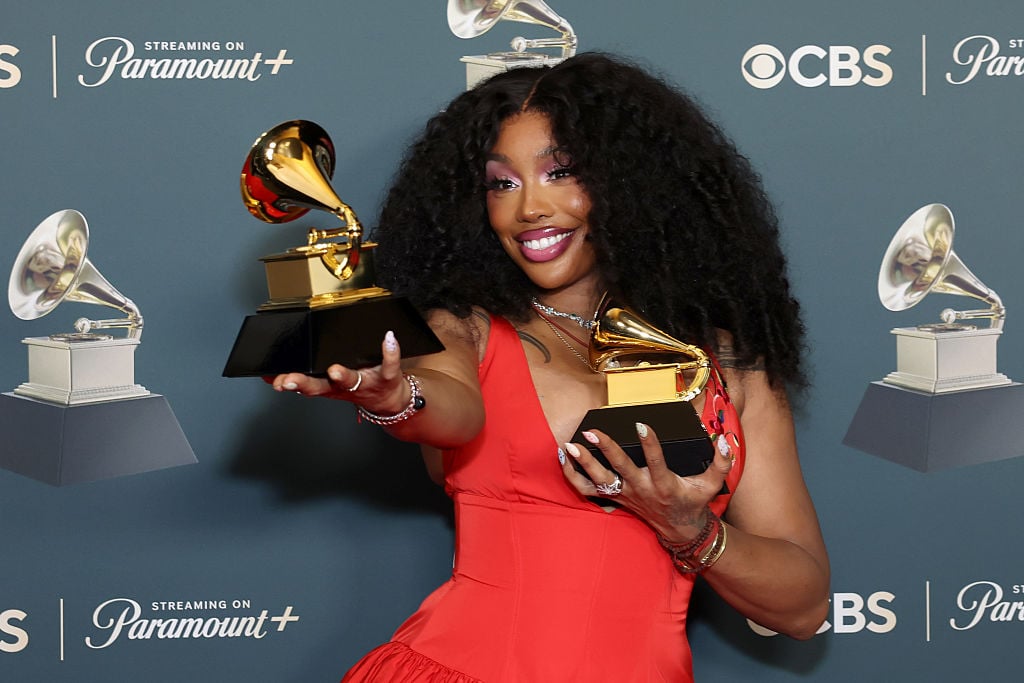
SZA is calling out AI music as Warner Bros. Discovery rolls out AI-powered ad tech, raising questions about consent and culture.
SZA's Frustration with AI Training Grammy-winning artist SZA has vocally expressed her strong disapproval of artificial intelligence models being trained on her music. She recently revealed via an Instagram Story that an AI music database listed 238 of her songs, some potentially unreleased, as material used for training purposes. SZA strongly criticized fellow musicians who endorse this practice, emphasizing that she views it not as innovation but as a significant breach of consent and ownership. Her core concern revolves around the ethical implications of profiting from an artist's distinctive sound, style, and emotional essence when these elements are appropriated and fed into a machine without explicit permission or fair compensation. Historical Exploitation of Black Music in the AI Era The issue of AI's use in music holds a particularly resonant and troubling dimension for Black artists, extending beyond mere technological advancement to represent a historical pattern of exploitation, albeit in a modernized form. Black music, encompassing genres such as blues, jazz, gospel, hip-hop, R&B, house, and Afrobeats, has consistently served as a foundational force, driving and shaping global culture. It dictates popular trends in dance, emotional expression, commercial advertising, and international cultural exports. Despite this profound influence, the originators of these sounds have historically faced systemic challenges in securing adequate protection, receiving due credit, and ensuring fair compensation for their invaluable contributions. This backdrop makes SZA's concerns about AI's impact all the more critical, as it threatens to perpetuate a legacy where Black creativity is leveraged for profit without equitable recognition or consent. AI's Dual Impact: Creative Reproduction and Corporate Monetization SZA's critique transcends typical fan discourse, articulating a widespread concern among artists, writers, and producers as AI deeply integrates into the entertainment industry. Her questions—regarding consent for training AI models, compensation for machine imitation, and the replication of unique artistic elements like voice and emotional fingerprint—highlight a critical threat to artistic autonomy. This conversation gains urgency as Warner Bros. Discovery simultaneously develops agentic AI-powered advertising technology with Amazon Web Services. This technology aims to revolutionize ad campaign management, from planning and activation to optimization and measurement across various linear and digital platforms. This demonstrates that AI's influence extends beyond merely generating music; it is fundamentally altering the business infrastructure of media, impacting content monetization, audience valuation, and brand-cultural alignment. While pitched as innovation, these AI systems significantly influence which content is financially supported, which demographics are prioritized for advertising, and how cultural output is strategically presented to brands. For Black audiences and creators, the central issue isn't AI's inherent value but rather the extent to which communities, whose artistic contributions energize the market, can assert control over the deployment and monetization of their creativity in this evolving technological landscape. Environmental and Legal Battles Over AI in Music SZA's concerns about artificial intelligence are multifaceted, linking artistic exploitation directly to environmental harm, particularly affecting Black and brown communities. This perspective aligns with broader national discussions surrounding the environmental impact of AI. The immense computational power required by AI systems necessitates large data centers, which in turn place significant demands on electricity grids and water resources. The siting of these infrastructures often raises environmental justice questions for the communities residing nearby. Concurrently, the music industry is embroiled in legal disputes over AI's encroachment. Major record labels have initiated lawsuits against AI music companies like Suno and Udio, alleging the unauthorized use of copyrighted songs to train their music-generating algorithms. These lawsuits form part of a larger legal and ethical debate over the legality and fairness of AI companies appropriating existing creative works—including art, music, and writing—under the guise of technological innovation, highlighting a crucial struggle for intellectual property rights in the digital age. Cultural Significance and Divergent Views on AI in R&B and Hip-Hop The advent of AI introduces particularly acute cultural implications for genres like R&B and hip-hop, where musical elements are far more than mere sounds; they are repositories of lineage and lived experience. Distinctive vocal qualities such as a rasp or a run, rhythmic 'pockets,' unique lyrical flows, iconic producer tags, strategic sample choices, regional accents, and gospel-infused harmonies all encapsulate deep cultural heritage. These artistic elements frequently originate from communities that have historically faced the paradoxical experience of having their styles appropriated while simultaneously being denied ownership or credit. This profound historical context has led many artists to take an unyielding stance against AI. For instance, Kehlani has explicitly condemned AI-generated R&B. Conversely, other industry figures, like Timbaland, have openly embraced AI, viewing it as a transformative tool that can broaden creative horizons and possibilities for artists, illustrating a significant divide in artistic philosophy regarding AI's role in music creation. The Central Conflict: Artistic Control vs. Corporate Profit in the AI Era SZA's stance on AI is unequivocal: she refuses to endorse any AI system that has been trained using her music. This highlights a critical, bifurcated dialogue currently unfolding within the entertainment industry. On one hand, artists are demanding fundamental rights—consent for their work's use, proper credit, and fair compensation in the age of AI. On the other, media corporations are aggressively integrating AI into their core strategies for advertising, streaming, and audience expansion. These two seemingly separate trajectories converge decisively on the singular motive of profit. If AI gains the capacity to convincingly mimic beloved artists, autonomously generate engaging content, and precisely optimize advertising, the overarching conflict shifts from the authenticity of AI-generated art to the fundamental question of whether human creators, particularly Black artists, can retain agency and control over the cultural foundations they meticulously constructed. SZA's direct challenge underscores a profound concern: will Black creativity be safeguarded in the AI era, or will it once again face systemic extraction, repeating a historical pattern of appropriation despite the novelty of the technology?
SZA's Frustration with AI Training
Grammy-winning artist SZA has vocally expressed her strong disapproval of artificial intelligence models being trained on her music. She recently revealed via an Instagram Story that an AI music database listed 238 of her songs, some potentially unreleased, as material used for training purposes. SZA strongly criticized fellow musicians who endorse this practice, emphasizing that she views it not as innovation but as a significant breach of consent and ownership. Her core concern revolves around the ethical implications of profiting from an artist's distinctive sound, style, and emotional essence when these elements are appropriated and fed into a machine without explicit permission or fair compensation.
Historical Exploitation of Black Music in the AI Era
The issue of AI's use in music holds a particularly resonant and troubling dimension for Black artists, extending beyond mere technological advancement to represent a historical pattern of exploitation, albeit in a modernized form. Black music, encompassing genres such as blues, jazz, gospel, hip-hop, R&B, house, and Afrobeats, has consistently served as a foundational force, driving and shaping global culture. It dictates popular trends in dance, emotional expression, commercial advertising, and international cultural exports. Despite this profound influence, the originators of these sounds have historically faced systemic challenges in securing adequate protection, receiving due credit, and ensuring fair compensation for their invaluable contributions. This backdrop makes SZA's concerns about AI's impact all the more critical, as it threatens to perpetuate a legacy where Black creativity is leveraged for profit without equitable recognition or consent.
AI's Dual Impact: Creative Reproduction and Corporate Monetization
SZA's critique transcends typical fan discourse, articulating a widespread concern among artists, writers, and producers as AI deeply integrates into the entertainment industry. Her questions—regarding consent for training AI models, compensation for machine imitation, and the replication of unique artistic elements like voice and emotional fingerprint—highlight a critical threat to artistic autonomy. This conversation gains urgency as Warner Bros. Discovery simultaneously develops agentic AI-powered advertising technology with Amazon Web Services. This technology aims to revolutionize ad campaign management, from planning and activation to optimization and measurement across various linear and digital platforms. This demonstrates that AI's influence extends beyond merely generating music; it is fundamentally altering the business infrastructure of media, impacting content monetization, audience valuation, and brand-cultural alignment. While pitched as innovation, these AI systems significantly influence which content is financially supported, which demographics are prioritized for advertising, and how cultural output is strategically presented to brands. For Black audiences and creators, the central issue isn't AI's inherent value but rather the extent to which communities, whose artistic contributions energize the market, can assert control over the deployment and monetization of their creativity in this evolving technological landscape.
Environmental and Legal Battles Over AI in Music
SZA's concerns about artificial intelligence are multifaceted, linking artistic exploitation directly to environmental harm, particularly affecting Black and brown communities. This perspective aligns with broader national discussions surrounding the environmental impact of AI. The immense computational power required by AI systems necessitates large data centers, which in turn place significant demands on electricity grids and water resources. The siting of these infrastructures often raises environmental justice questions for the communities residing nearby. Concurrently, the music industry is embroiled in legal disputes over AI's encroachment. Major record labels have initiated lawsuits against AI music companies like Suno and Udio, alleging the unauthorized use of copyrighted songs to train their music-generating algorithms. These lawsuits form part of a larger legal and ethical debate over the legality and fairness of AI companies appropriating existing creative works—including art, music, and writing—under the guise of technological innovation, highlighting a crucial struggle for intellectual property rights in the digital age.
Cultural Significance and Divergent Views on AI in R&B and Hip-Hop
The advent of AI introduces particularly acute cultural implications for genres like R&B and hip-hop, where musical elements are far more than mere sounds; they are repositories of lineage and lived experience. Distinctive vocal qualities such as a rasp or a run, rhythmic 'pockets,' unique lyrical flows, iconic producer tags, strategic sample choices, regional accents, and gospel-infused harmonies all encapsulate deep cultural heritage. These artistic elements frequently originate from communities that have historically faced the paradoxical experience of having their styles appropriated while simultaneously being denied ownership or credit. This profound historical context has led many artists to take an unyielding stance against AI. For instance, Kehlani has explicitly condemned AI-generated R&B. Conversely, other industry figures, like Timbaland, have openly embraced AI, viewing it as a transformative tool that can broaden creative horizons and possibilities for artists, illustrating a significant divide in artistic philosophy regarding AI's role in music creation.
The Central Conflict: Artistic Control vs. Corporate Profit in the AI Era
SZA's stance on AI is unequivocal: she refuses to endorse any AI system that has been trained using her music. This highlights a critical, bifurcated dialogue currently unfolding within the entertainment industry. On one hand, artists are demanding fundamental rights—consent for their work's use, proper credit, and fair compensation in the age of AI. On the other, media corporations are aggressively integrating AI into their core strategies for advertising, streaming, and audience expansion. These two seemingly separate trajectories converge decisively on the singular motive of profit. If AI gains the capacity to convincingly mimic beloved artists, autonomously generate engaging content, and precisely optimize advertising, the overarching conflict shifts from the authenticity of AI-generated art to the fundamental question of whether human creators, particularly Black artists, can retain agency and control over the cultural foundations they meticulously constructed. SZA's direct challenge underscores a profound concern: will Black creativity be safeguarded in the AI era, or will it once again face systemic extraction, repeating a historical pattern of appropriation despite the novelty of the technology?