Quick Buzz Feed

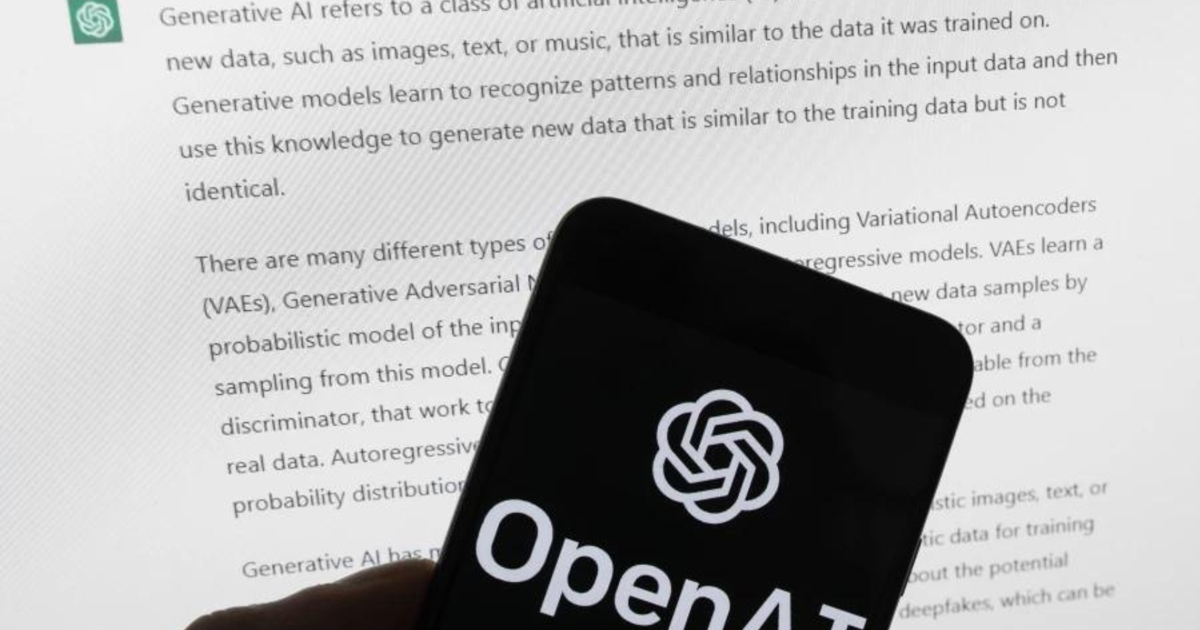
As more teenagers turn to artificial intelligence for help with schoolwork, some are also using it for something far more personal: advice on dieting and weight loss.
Teenagers are increasingly leveraging artificial intelligence not only for academic assistance but also for highly personal matters such as diet and weight loss advice. This emerging trend is prompting significant concerns among medical professionals and parents in Memphis. Experts are cautioning against the reliance on AI-generated health recommendations, highlighting their potential for inaccuracy and the inherent dangers they pose to the health and development of adolescents. Unlike personalized medical advice, AI systems lack the ability to consider individual health histories, unique physiological needs, or family backgrounds, rendering their generic suggestions potentially harmful. The ease of access and the perceived authority of AI responses contribute to this worrying phenomenon, where vulnerable teenagers might adopt unsuitable dietary practices based on unverified information.
Parents and clinicians, such as Jaquay Brister, express profound apprehension regarding the credibility of AI as a source for health advice. Brister emphasizes that AI is merely a tool, incapable of understanding the intricate personal and familial health contexts crucial for appropriate dietary guidance. This limitation means AI often provides generalized or incomplete information, which can be particularly misleading for a demographic with specific developmental needs. Another resident, Jay Lattimore, echoes these concerns, noting the alarming tendency of young people to treat AI responses as infallible truths, despite the absence of verifiable sources or scientific backing. He points out that the rapid spread of misinformation, already prevalent on social media platforms like TikTok and Instagram, is exacerbated by AI, creating a dangerous landscape for adolescent health decisions. The critical absence of factual checks and the implicit trust placed in AI's algorithmic suggestions make it a potent, and often unsafe, source of dietary counsel for impressionable teens.
Dr. Michelle Bowden, a pediatrician and medical director of the eating disorder services program at Le Bonheur Children’s Hospital, acknowledges the unsurprising trend of teens seeking weight loss and diet advice from AI. However, she voices deep concern over adolescents' propensity to accept these AI-generated recommendations as undisputed facts. Dr. Bowden explains that AI aggregates information from across the internet, including sources that may lack medical or nutritional expertise, such as personal blogs. This indiscriminately gathered data often forms the basis of AI's dietary suggestions, which can be profoundly detrimental, especially for teenagers whose bodies are undergoing significant growth and hormonal changes. Unlike adults, adolescents have unique nutritional requirements dictated by puberty, bone development, and varying activity levels. Generic calorie recommendations, such as the 1,200 to 1,500 calories per day often found online, are typically designed for adult weight loss and can lead to severe malnutrition in growing teens. Such restrictive intake can precipitate a cascade of serious health problems, including slowed digestion, chronic nausea, persistent constipation, episodes of low blood sugar, and, in severe instances, dangerously low heart rates necessitating urgent hospitalization. The unfiltered and often inappropriate nature of AI's dietary guidance thus poses a direct threat to the physical well-being of young users.
A particularly alarming consequence highlighted by Dr. Bowden is the potential for AI-recommended restrictive eating patterns to evolve into serious eating disorders. She observes a disturbing trend where patients initially adopt "healthy diets" suggested by AI or other internet sources, only to gradually become more and more rigid in their food choices. This escalating restriction, fueled by uncritical adherence to AI's advice, can ultimately lead to the development of severe conditions like anorexia nervosa, requiring intensive medical intervention. The hospital is increasingly seeing teenage patients who have utilized AI for calculating calorie intake, scrutinizing the nutritional value of foods, and devising meal plans specifically aimed at weight loss. Dr. Bowden unequivocally states that such AI-generated information can be not only "inappropriate" but frequently "wildly incorrect," demonstrating a clear and present danger to mental and physical health. The allure of quick fixes and seemingly authoritative digital guidance overshadows the nuanced and individualized care that genuine medical and nutritional professionals provide, pushing vulnerable teens towards unhealthy and perilous behaviors.
Given the inherent risks associated with AI-generated diet advice, Dr. Bowden advises parents to remain vigilant and recognize potential warning signs in their children. Key indicators include a sudden and unexplained cessation of consuming previously enjoyed foods, or a noticeable shift where food choices begin to negatively impact other facets of their lives, particularly social interactions. These behavioral changes can signal the onset of a problematic relationship with food, potentially exacerbated by rigid AI recommendations. Emphasizing the critical distinction between digital tools and human expertise, Dr. Bowden underscores that online resources can never genuinely substitute the personalized guidance of a qualified medical professional. A doctor or a registered dietitian possesses the comprehensive understanding to evaluate an individual's specific life stage, activity levels, unique body size, and shape, thereby providing tailored nutritional advice essential for healthy growth and development. The article concludes by reinforcing the message that genuine health management, especially during adolescence, requires human interaction, empathy, and evidence-based strategies from credentialed healthcare providers, rather than relying on the uncontextualized algorithms of artificial intelligence.