Quick Buzz Feed

The closure of the Strait of Hormuz has trapped a third of the world’s commercial helium, threatening the irreplaceable coolant that makes MRI scanners and advanced microchips possible
Following U.S. and Israeli airstrikes against Iran and the subsequent killing of Supreme Leader Ali Khamenei, Iran's Islamic Revolutionary Guard Corps closed the Strait of Hormuz. This critical waterway, vital for global oil transit, also serves as the sole export route for Qatar, a major producer of commercial helium. The closure has effectively trapped a third of the world's helium supply, originating from Qatar's LNG plants which produce helium from waste gas. This geopolitical event highlights the vulnerability of global supply chains for essential industrial gases. While oil market disruptions have garnered significant attention, the helium cut-off poses a less visible but equally critical threat to various high-tech sectors.
Often underestimated and primarily associated with party balloons, helium is in fact indispensable across several high-technology fields. It serves as an irreplaceable coolant for magnetic resonance imaging (MRI) scanners, is vital in the aerospace industry, and is absolutely crucial for the manufacturing of advanced microchips, particularly those powering artificial intelligence systems. The current crisis, however, comes at a time when the global helium market had a 15 percent supply surplus. Despite this buffer, experts like Phil Kornbluth of Kornbluth Helium Consulting predict a net shortage of approximately 15 percent. The immediate impact on end-users is mitigated by the long and slow supply chain, meaning helium shipped before the closure is still en route. However, this offers only a temporary reprieve before the full effects are felt.
The logistics of helium supply are complex, relying on roughly 2,000 expensive, specialized 11,000-gallon cryogenic containers. Many of these containers are now either stuck in Qatar or on cargo ships unable to pass through the Strait of Hormuz. This logistical bottleneck means that even if the Strait were to reopen immediately, the disruption in supply would persist for at least two additional months as these containers need to be repositioned and the supply chain reactivated. Historically, similar helium shortages over the past two decades have led major suppliers to declare force majeure, allowing them to legally suspend contractual obligations and subsequently raise prices. This pattern is expected to repeat, impacting industries reliant on the gas with increased costs.
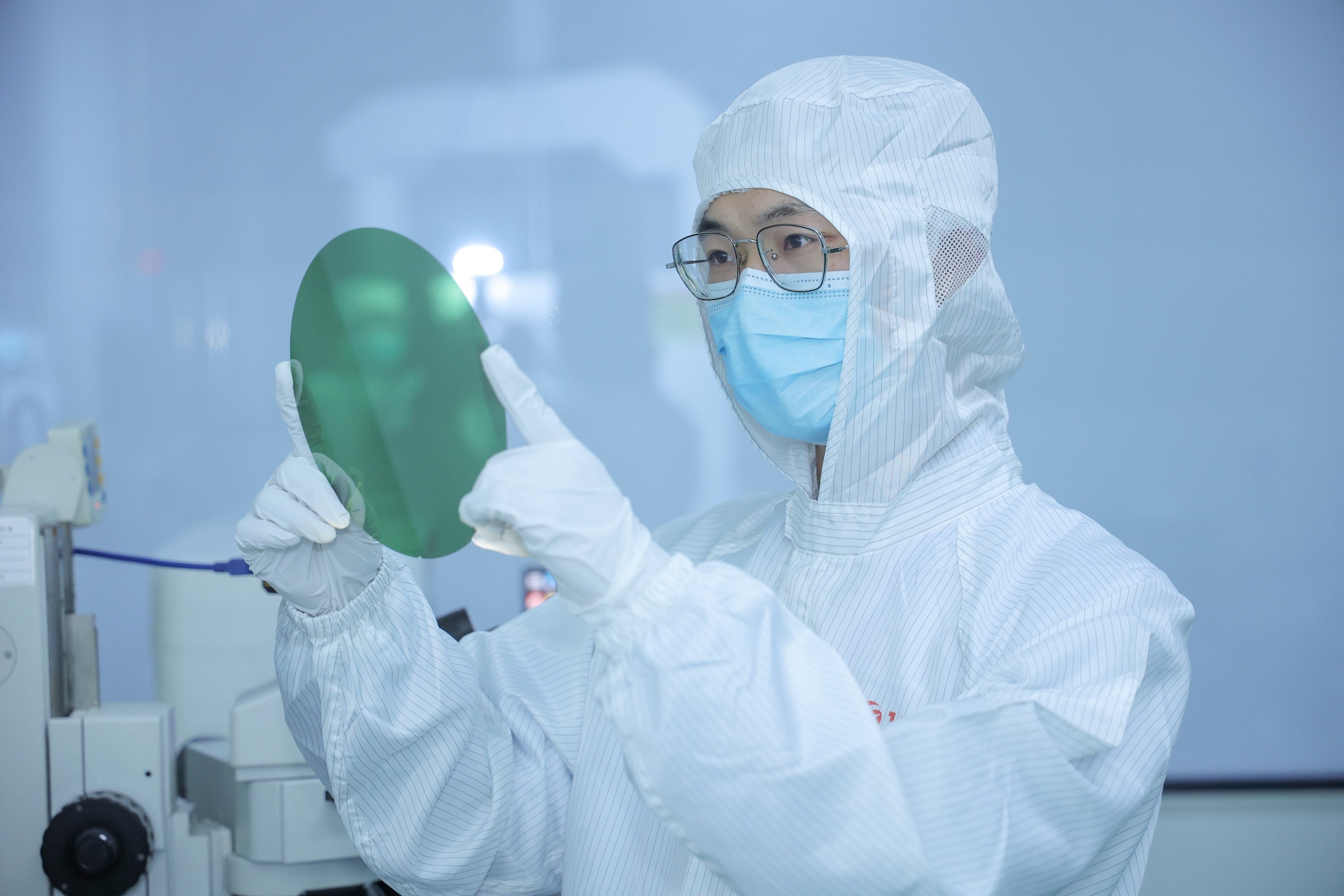
In recent years, the semiconductor industry has emerged as the largest global consumer of helium, surpassing medical MRI scanners. Chip manufacturers attempt to maintain helium reserves, but the gas is notoriously difficult to contain, with leakage rates of 0.1 to 1 percent per month even with the best gaskets. Following pandemic-induced supply chain shocks, fabricators shifted from minimal inventory to stockpiling. Nevertheless, continued conflict in the region would first impact countries dependent on Qatari helium, specifically Japan, Singapore, South Korea, and Taiwan – nations that host the world's most advanced chip fabrication facilities (fabs). The reliance on helium is most critical during the etching process, where precise temperature control using helium gas blowing on wafers is essential to create billions of transistors on advanced AI chips, making it an indispensable element for achieving high yields and quality.
Experts confirm that helium is virtually irreplaceable in semiconductor manufacturing. While cheaper alternatives like argon or nitrogen exist, they cannot match helium's exceptional thermal conductivity and the high throughput required for advanced wafer processing. Despite being less than 1 percent of a processed wafer's cost, helium's criticality means fabs will not shut down due to doubled helium prices. Furthermore, chip plants demand helium that adheres to very strict cleanliness standards, making it challenging to switch suppliers without lengthy requalification processes. Historically, fabs have not invested in closed-loop helium recycling systems, as the gas was considered cheap enough to vent. During shortages, suppliers typically prioritize critical applications: MRI for medical use and semiconductor manufacturing receive high allocation, while non-essential uses, such as party balloons, receive significantly less or no supply at all. This prioritization mechanism aims to safeguard essential technological and medical sectors from complete disruption.