Quick Buzz Feed

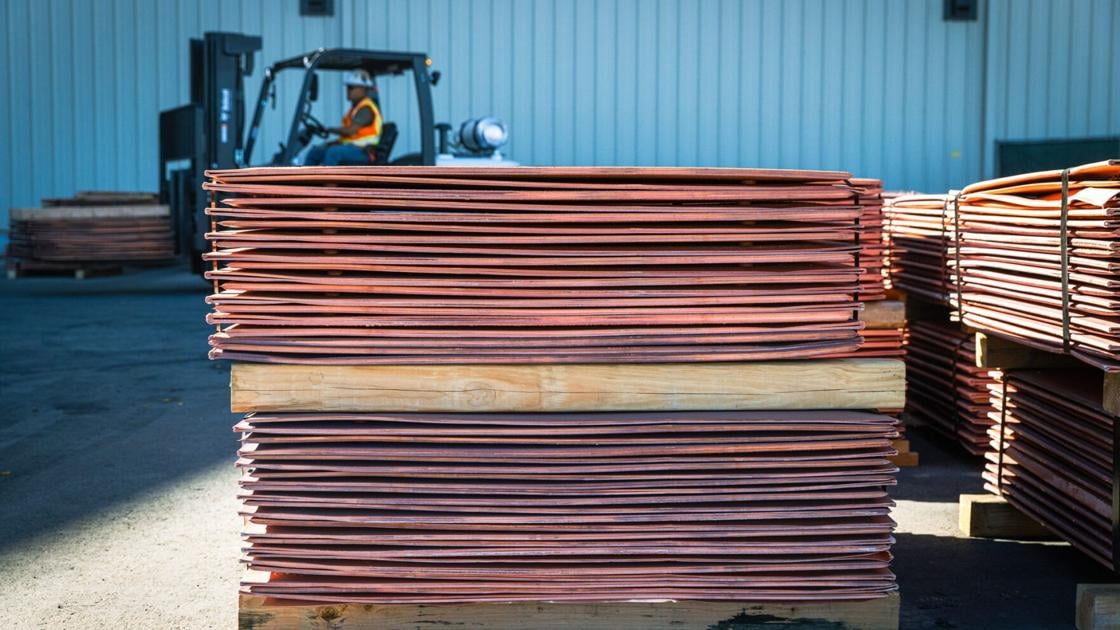
Arizona's copper industry is experiencing a significant boom, driven by escalating demand and high prices, particularly from sectors like artificial intelligence, renewable energy, and electrification. This resurgence is leading to plans for new mines and increased production at existing operations, positioning Arizona to play a crucial role in meeting future global copper needs.
Copper has historically been a cornerstone of Arizona's economy, with the state still supplying approximately 70% of the nation's copper. This traditional industry is being revitalized by an "electric new era," marked by the recent opening of the Florence Copper mine in 2026—the first major U.S. copper operation since 2008. Florence Copper utilizes an innovative "in situ recovery" method, a low-impact and low-cost alternative to conventional pit mining. This process involves pumping a solution underground to extract copper molecules, reducing water usage by nearly 80% and eliminating the need for energy-intensive smelting. This technological advancement allows for direct plating of copper, bypassing the country's limited smelting and refining capacities. State Mine Inspector Walter Presmyk notes that this new method is emblematic of a changing technological landscape, with several other new mines and increased outputs planned across the state. Florence's Mayor Keith Eaton highlights the project's critical role in local development, attracting a younger workforce and fostering hopes for supporting industries.
The copper industry is undergoing a profound transformation, with prices soaring to over $6 per pound, making it an attractive and competitively priced metal compared to precious alternatives. Copper's intrinsic properties make it indispensable for electrically dependent industries, including rapidly expanding data centers, renewable energy infrastructure like solar and wind farms, and advanced computer chip manufacturing. While these applications are not entirely new, the sheer volume of copper required to meet modern demand is unprecedented. This heightened demand and increased profitability now incentivize mining companies to process even lower-grade ore, which was previously considered waste, significantly expanding the economically viable resource base for extraction.
The renewed interest in copper mining, fueled by high prices and supportive regulations, is creating a "perfect storm" for an explosion of new mining claims across Arizona. Environmental groups, such as the Arizona Mining Reform Coalition, express deep concern over potential water depletion and contamination from these operations. Advocate Roger Featherstone argues for a greater emphasis on recycling existing copper resources and developing advanced technologies for extracting copper from mine tailings, noting that over a third of the U.S. copper supply already comes from recycled scrap. He questions the necessity of new mines, highlighting the environmental damage caused by exploratory efforts that often fail to lead to viable operations. Compounding these environmental worries are significant cultural impacts, exemplified by the contentious proposal to mine the Oak Flat site within the Tonto National Forest. Wendsler Nosie Sr., a San Carlos Apache member, vehemently opposes the transfer of this sacred site to a British-Australian mining company, viewing it as a profound violation of religious freedom and part of a historical pattern of indigenous displacement for resource exploitation. Despite a U.S. Supreme Court decision not to hear the Apache Stronghold's challenge in 2025, Nosie questions whether the perceived benefits of technologies like artificial intelligence justify the immense environmental and cultural costs associated with their raw material demands.