Quick Buzz Feed

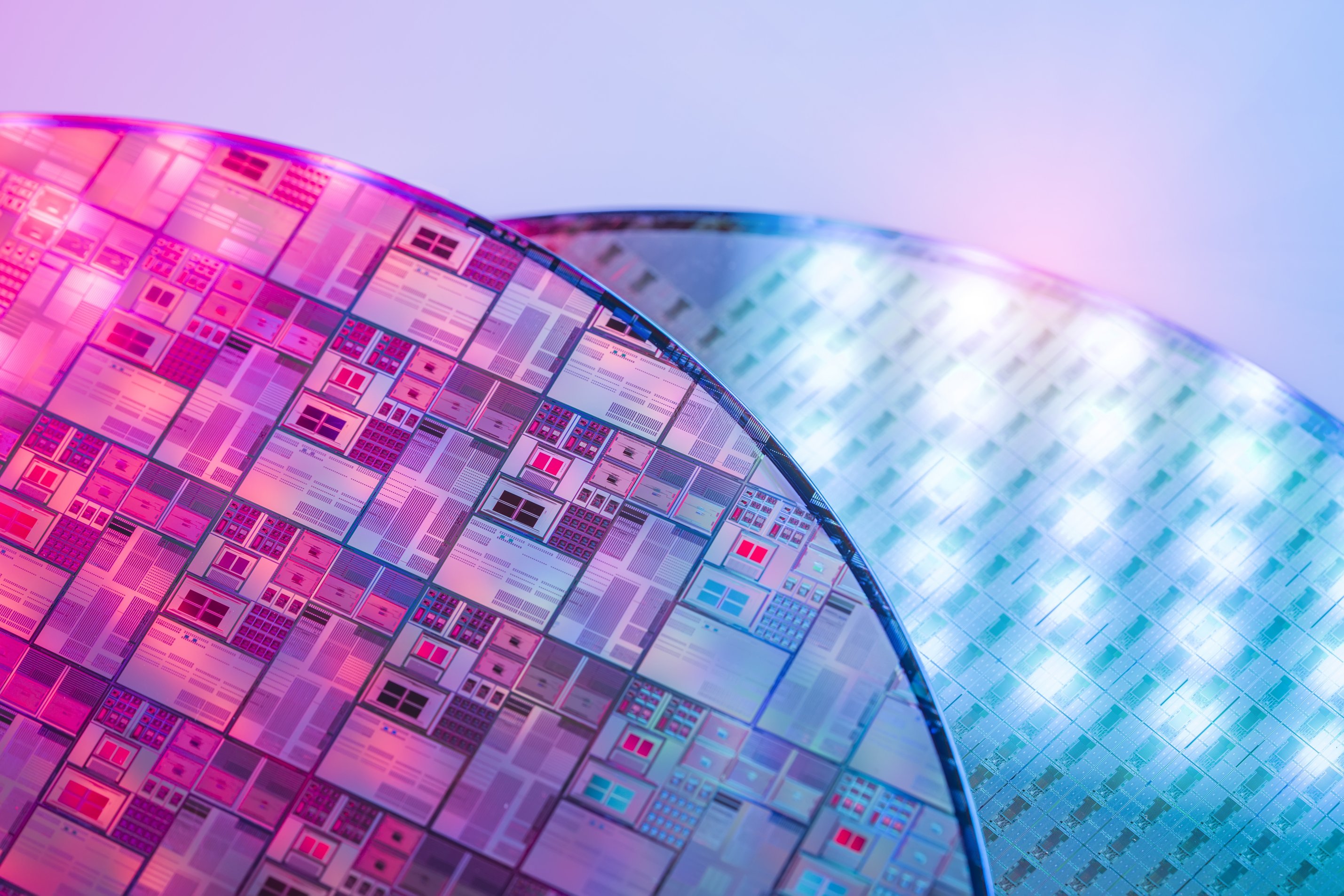
This bellwether of the semiconductor market just raised a green flag for the AI market.
ASML, a Dutch semiconductor equipment manufacturer, reported strong first-quarter earnings that surpassed analyst expectations, with revenue increasing 13% year-over-year to €8.77 billion ($10.38 billion) and earnings per share growing 19% to €7.15 ($8.46). The company also increased its full-year revenue forecast to between €36 billion and €40 billion ($43 billion to $47 billion), signaling a growth of 10% to 22% from 2025, and upheld its gross margin projections. This positive guidance is seen as a significant indicator for the broader semiconductor and artificial intelligence (AI) markets, suggesting continued growth and a potential uplift for the Nasdaq.
ASML holds a critical position in the global semiconductor industry as the leading and exclusive manufacturer of high-end extreme ultraviolet (EUV) lithography systems. These sophisticated systems are indispensable for etching the intricate circuit patterns onto silicon wafers, enabling the production of the world's most advanced chips. Major foundries like TSMC, Samsung, and Intel rely on ASML's EUV technology to produce their cutting-edge chips. Consequently, key AI chipmakers such as Nvidia and Broadcom, who outsource their manufacturing to TSMC, are dependent on ASML. Therefore, ASML's optimistic financial guidance indicates robust ongoing expansion within the AI market, which is expected to drive the tech-heavy Nasdaq to new record highs.
ASML anticipates substantial growth through the end of the decade, projecting its revenue to reach €44 billion to €60 billion ($52 billion to $71 billion) by 2030. This forecast implies a compound annual growth rate of 6% to 13% from 2025. This sustained growth is primarily attributed to the continuous expansion of the AI market and the upcoming deployment of its advanced high-NA EUV systems, which are designed to create even smaller chips and further solidify ASML's dominant market position in advanced lithography. For investors, ASML remains a straightforward way to capitalize on the burgeoning AI chip market, despite its current valuation.