Quick Buzz Feed

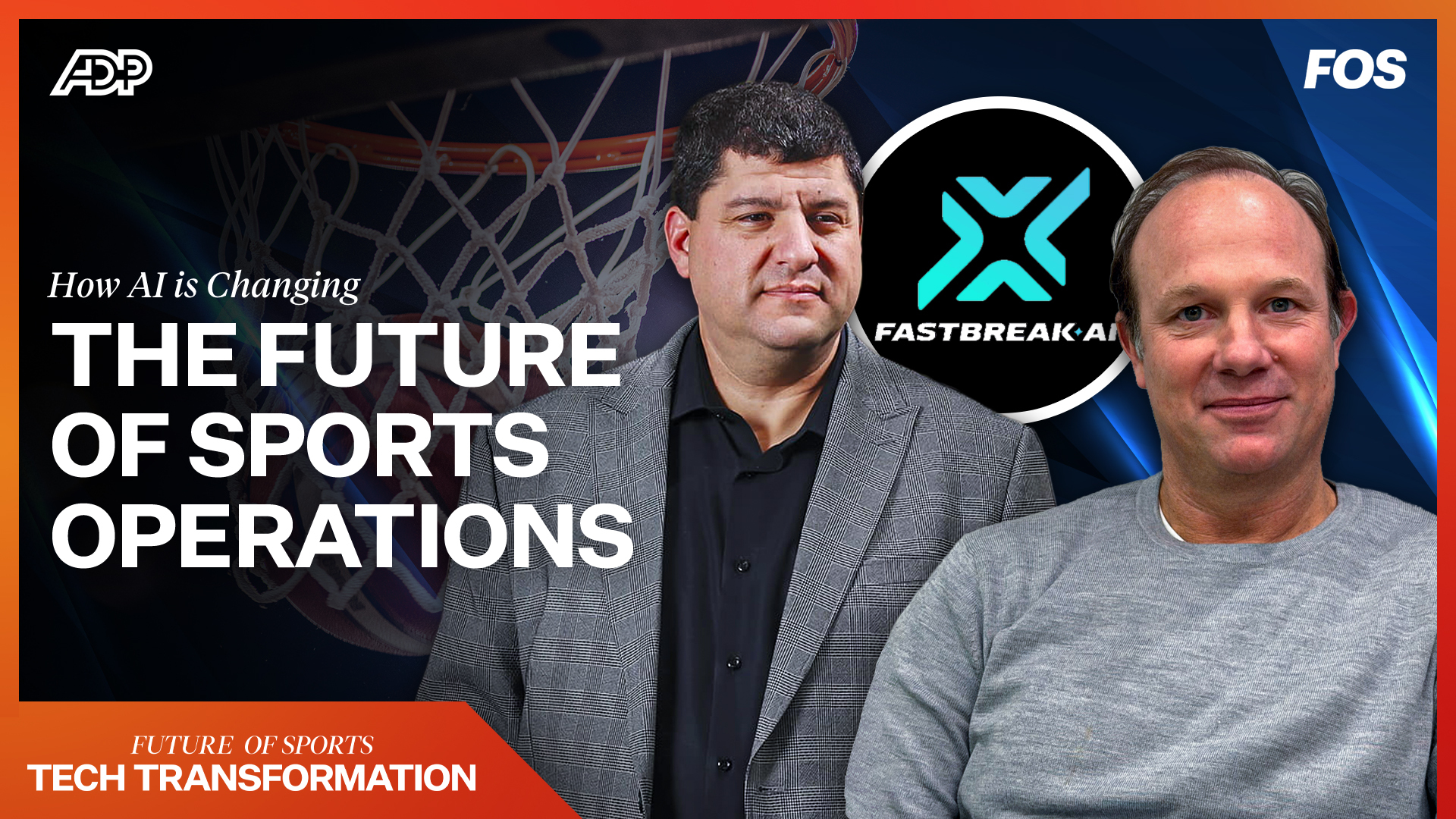
This article delves into how artificial intelligence, particularly through the innovations of Fastbreak AI, is revolutionizing the intricate and often underestimated process of professional sports scheduling. Traditionally a complex logistical challenge, scheduling in pro sports involves a myriad of considerations from broadcast windows and team travel constraints to arena availability and player welfare. The discussion with Fastbreak AI executives highlights the transformative power of AI in moving beyond conventional methods, enabling leagues to construct significantly smarter and more efficient schedules. This technological shift is not merely about automation but about leveraging advanced algorithms to optimize operations, enhance competitive balance across teams, and ultimately enrich the overall fan experience. The integration of AI in this critical domain underscores a broader modernization trend within sports infrastructure, positioning sophisticated scheduling as a pivotal competitive advantage in the contemporary sports business landscape.
The initial segment of the discussion with Fastbreak AI CEO John Stewart and Chief Product Officer Dr. Chris Groer introduces the central theme: the profound impact of artificial intelligence on professional sports scheduling. They emphasize that scheduling, despite being an often-overlooked aspect of the sports industry, is in fact a critical and highly complex operational challenge. The "Future of Sports" episode, presented by ADP, serves as a platform to illuminate how AI is not just incrementally improving this process but fundamentally reshaping it. This involves moving away from manual, labor-intensive methods to a more data-driven and algorithmic approach, which can process vast amounts of information and competing interests far more effectively than human planners alone. The focus here is on identifying AI as a pivotal technology for an area of sports business that has historically relied on conventional planning, setting the stage for a detailed exploration of its benefits and applications. The executives aim to clarify how this hidden technology is becoming an indispensable tool for modern sports organizations.
This section elaborates on the practical applications and benefits of AI in sports scheduling. Fastbreak AI executives explain that their technology addresses a multitude of complex variables, including the intricate balancing of broadcast priorities (ensuring prime-time slots for key matchups), minimizing arduous travel demands for teams (reducing fatigue and enhancing player performance), and optimizing the overall operations of sports leagues. By leveraging AI, leagues can create schedules that are not only smarter and more efficient but also contribute to a better competitive environment. This includes improving competitive balance by strategically distributing tough matchups and rest periods, reducing operational complexity for league administrators, and ultimately enhancing the fan experience by offering more compelling game times, easier access to events, and a more equitable and exciting season narrative. The comprehensive nature of AI's impact, from logistical efficiencies to strategic advantages and fan engagement, is a key takeaway from their discussion. It signifies a holistic improvement in how professional sports are organized and presented to the public.
The concluding point underscores the evolving perception of scheduling within the professional sports industry. Historically viewed purely as a logistical necessity, the article highlights that with the advent and sophisticated application of AI, scheduling has transcended its traditional role. It has now become a significant competitive advantage for sports leagues. In an era where professional sports organizations are continuously striving to modernize their infrastructure, attract global audiences, and maximize revenue, an optimized schedule powered by AI is a powerful tool. It allows leagues to adapt more quickly to unforeseen challenges, capitalize on new opportunities, and maintain a leading edge in a highly competitive entertainment market. This strategic shift suggests that advanced scheduling is no longer just about avoiding conflicts but about proactive planning that drives success on multiple fronts, including financial performance, team performance, and fan loyalty. It positions AI-driven scheduling as an indispensable component for any forward-thinking professional sports entity aiming for operational excellence and market leadership.