Quick Buzz Feed

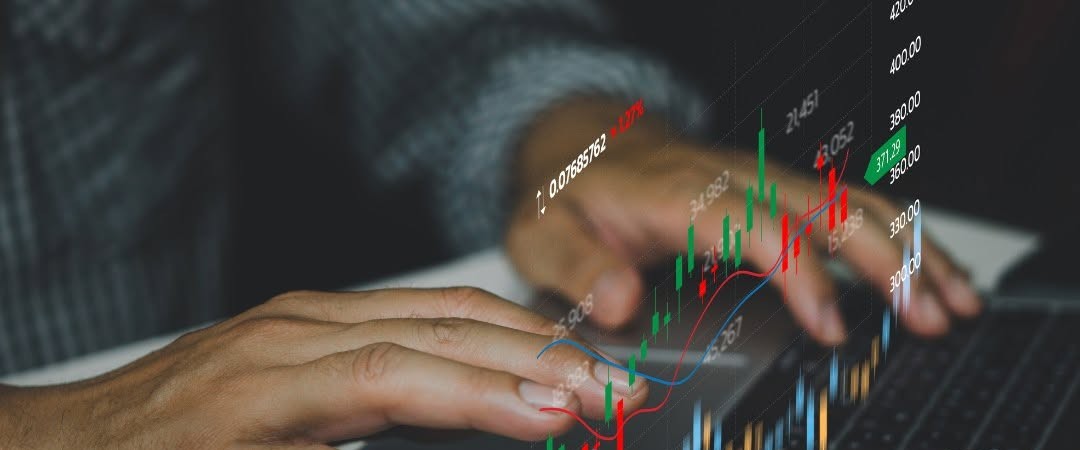
Artificial intelligence has profoundly transformed retail forex trading, replacing traditional manual rule-based systems with dynamic, adaptive tools capable of processing vast amounts of data and price points with incredible speed. These AI-powered tools function as an omnipresent analytical partner, significantly reducing human error and cognitive biases, thereby enabling traders to make more informed and timely decisions in the complex forex market.
Artificial intelligence integrates powerful capabilities into retail forex trading platforms, dramatically enhancing their functionality. This includes sophisticated dynamic risk management tools that continuously assess real-time market volatility to automatically adjust critical parameters like stop-loss levels, moving beyond rigid fixed values. AI also provides advanced predictive analytics, utilizing machine learning to simultaneously scan multiple currency pairs and technical indicators. This allows for the rapid identification of complex, non-linear correlations and patterns that human traders might overlook. Furthermore, intelligent automation, once exclusive to high-frequency trading firms, is now accessible to retail traders, enabling automated strategy execution that dynamically adjusts entry and exit points. Complementary natural language processing (NLP) tools instantly analyze global news feeds, central bank announcements, and social media sentiment, providing immediate insights into market direction and overall investor mood, all of which contribute to a more comprehensive and responsive trading environment.
A notable paradox exists in the current landscape of AI adoption in retail forex trading: while over 58% of retail traders leverage AI or automated tools, a mere 21% report a tangible increase in profitability, and a significant 30% actually experience worse results. This disparity suggests that simply having access to advanced AI tools does not automatically translate into a trading advantage. Many traders mistakenly view these technologies as a shortcut to wealth, failing to grasp the underlying market dynamics or the specific functionalities of the AI. Such an approach can lead to catastrophic losses when unexpected market shifts occur, as traders lack the fundamental understanding to interpret AI signals or anticipate volatility. Successful traders, conversely, utilize AI as a force multiplier, integrating it to enhance their already sound strategies. They employ AI for rigorous backtesting simulations, for concise summarization of complex macroeconomic events, or to efficiently filter vast watchlists. In essence, AI serves as an indispensable data provider, offering crucial insights, but the ultimate strategic oversight and decision-making responsibility remain firmly in human hands.
The widespread integration of AI tools is not only transforming individual trading practices but also significantly impacting broader market dynamics and regulatory considerations. Financial regulators are increasingly scrutinizing forex trading, pushing for greater transparency, accountability, and clear risk disclosures related to AI usage. A key concern highlighted by the IMF Global Financial Stability Report is that while AI enhances market efficiency, the prevalent use of identical AI models by numerous participants can lead to opacity, make markets harder to monitor, and heighten vulnerability to cyberattacks. Critically, when thousands of these automated systems react in unison to the same economic reports or price triggers, it can dramatically amplify short-term market volatility, causing sudden and unpredictable liquidity spikes. However, for astute human traders, understanding these algorithmic cause-and-effect relationships presents a unique advantage. By anticipating how major financial institutions' programmatic trading will react at specific price levels, traders can move beyond merely reacting to lagging price signals. This foresight allows them to strategically position their own trades to not only account for but actively benefit from AI-driven market behaviors, effectively 'beating the bots at their own game.' This understanding remains vital until regulatory frameworks evolve to specifically address and potentially alter the behavior of AI tools for retail traders.
In conclusion, artificial intelligence has fundamentally reshaped the suite of trading tools available to individual forex account holders, offering advanced analytical and automation capabilities. While research indicates that AI doesn't guarantee improved profitability for the average user, well-informed and strategically prepared traders are uniquely positioned to harness the profound insights and operational flexibility that AI-driven features provide. The critical step for these traders involves diligently selecting a platform that offers tools best suited to augment their established trading strategies. This often entails consulting comprehensive forex broker lists and meticulously comparing platform features to identify a trading partner that empowers them to effectively integrate AI, thereby leveraging its power to their distinct advantage rather than being overwhelmed by it.