Quick Buzz Feed

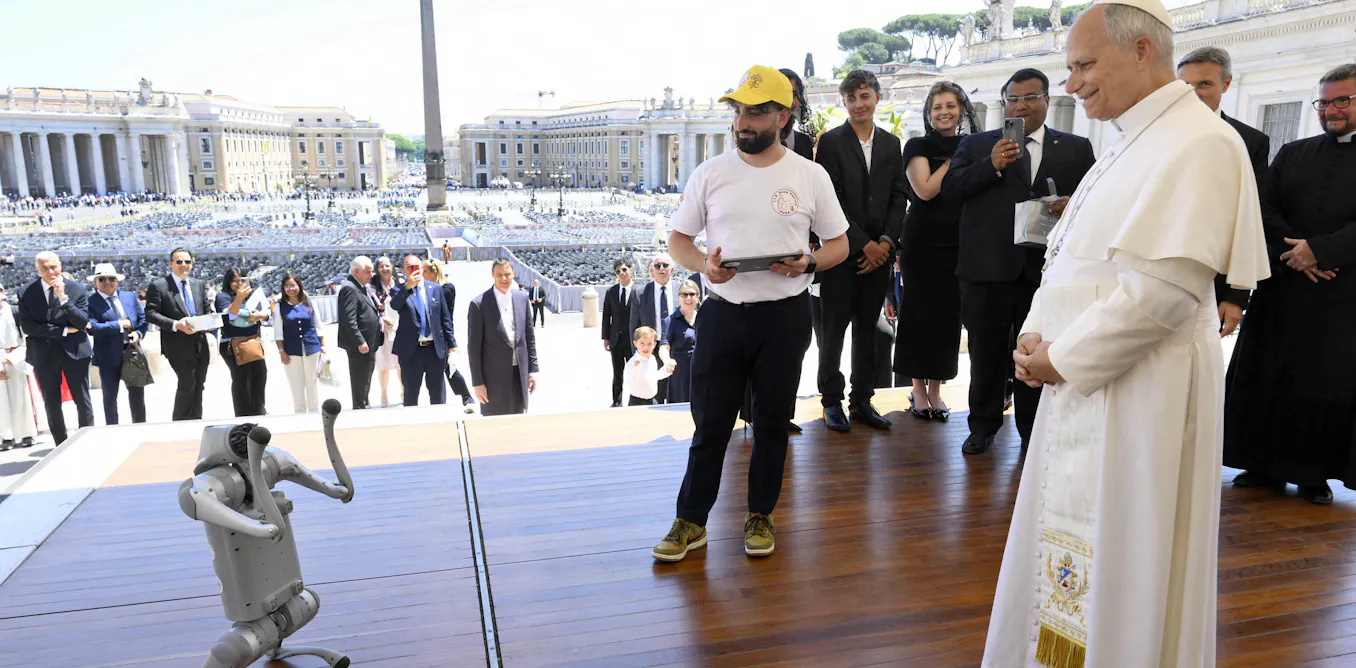
I knew this text would not be welcomed by all. And that’s OK.
The Vatican has historically addressed technological questions, with Pope Leo XIV's 'Magnifica Humanitas' being a landmark encyclical specifically focusing on artificial intelligence. This text, launched in the presence of industry figures including Anthropic's co-founder, is not anti-technology but rather advocates for a pro-human approach. It critiques the idea of new technologies' morality and profits being decided in private boardrooms, instead calling for public transparency, participation, and shared power. The encyclical stresses that AI should enhance human capacity for meaningful relationships and dignified work, recognizing the human person as an end, not merely a tool for utility or profit. The Pope emphasized that the crucial aspect is the purpose to which AI technologies are applied and their impact on Earth's natural resources.
Pope Leo XIV's encyclical delves into how AI is fundamentally reshaping the concept of being human, influencing aspects such as work, education, politics, and warfare, and intertwining with new cultures of dominating power. The text explores ideas of freedom and human flourishing, drawing from diverse theological viewpoints ranging from optimism to radical pessimism regarding AI's potential. It explicitly identifies risks like new dependencies, exclusions, manipulations, and inequalities, asserting that any positive outlook on new technologies must confront these realities. The article concludes that this text marks a significant shift in the papacy's open engagement with AI debates, inviting widespread social dialogue among various groups and stakeholders, given the urgent and fiercely contested nature of these issues.