Quick Buzz Feed

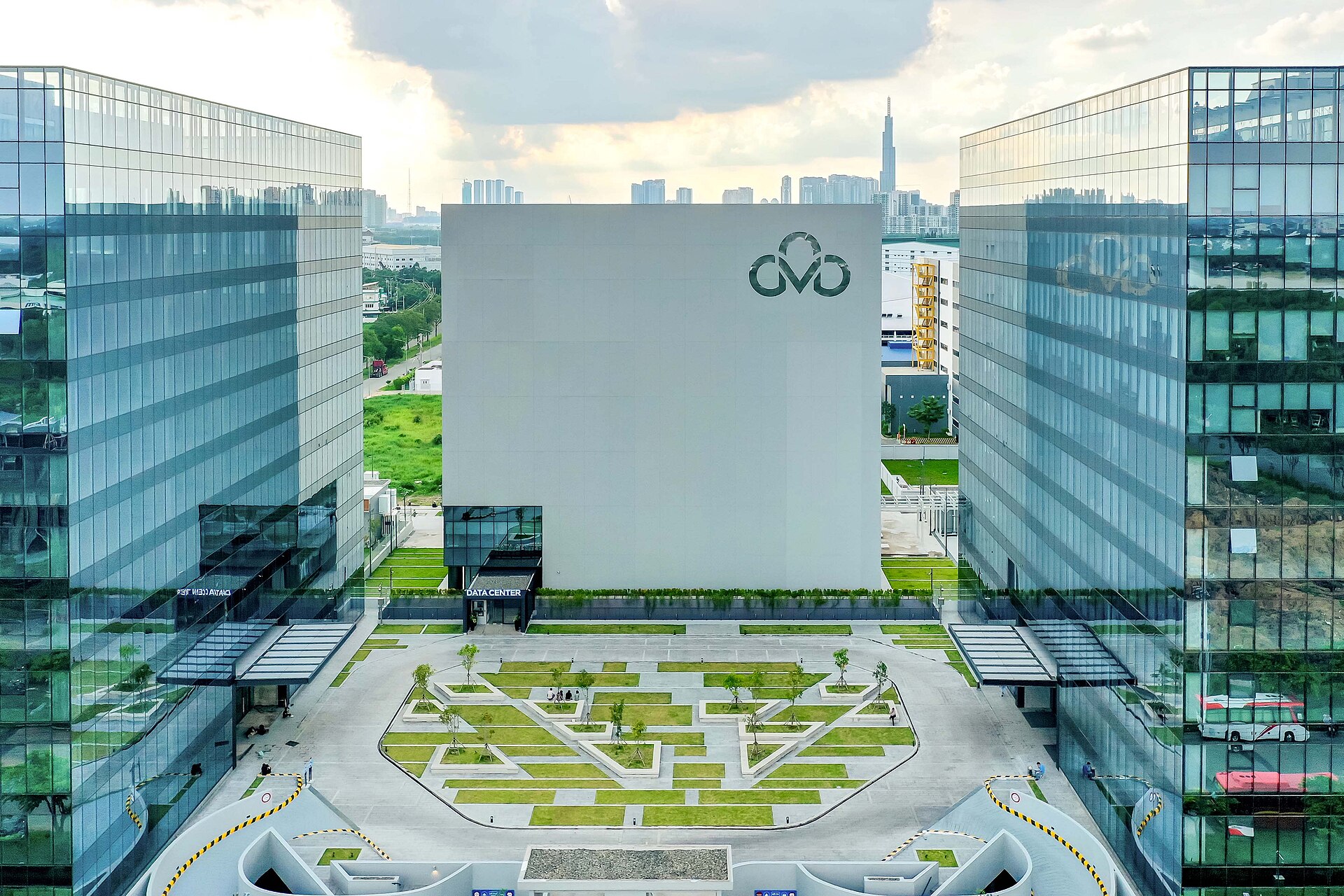
The article, 'The Thermodynamics of Capital: Artificial Intelligence, Energy Crisis, and Ecological Crisis,' published by Monthly Review, delivers a trenchant and vital critique of the modern technological landscape, specifically honing in on the pervasive societal impact of Artificial Intelligence (AI). Authored by Te Li, the piece meticulously deconstructs the prevalent myth of 'digital dematerialization' – a narrative zealously championed by the tech industry, particularly Silicon Valley and its AI boosters. This myth erroneously posits that AI and other digital technologies exist in an ethereal, immaterial realm, seemingly detached from the physical laws and material constraints that govern all other human activities and natural systems. Li argues forcefully that such a romanticized view dangerously obfuscates the profound, tangible, and often devastating environmental and energy costs inextricably linked to the design, development, training, and operational deployment of AI systems. The core intellectual framework underpinning this article is the 'thermodynamics of capital,' a concept that applies the fundamental principles of energy, work, and entropy to the analysis of economic systems, particularly within the context of capitalism. This perspective inherently suggests that the relentless drive for capitalist accumulation, characterized by an insatiable demand for exponential growth and profit, inevitably leads to a perpetually escalating consumption of energy and raw materials. In the domain of AI, this translates into an immense and ever-growing demand for electricity to power vast, climate-controlled data centers, sophisticated cooling infrastructures, and the incredibly energy-intensive manufacturing processes required for advanced hardware components, from microprocessors to intricate network architectures. The article posits that the continuous increase in computational power and data processing capacities of AI systems are emphatically *not* 'clean,' 'green,' or 'weightless' endeavors; rather, they are deeply rooted in and reliant upon a concrete material reality that imposes escalating strains on finite planetary resources. Moreover, Te Li's incisive analysis is designed to forge undeniable links between the rapid advancement of AI technology, the intensifying global energy crisis, and the accelerating, multifaceted ecological crisis. Through the thermodynamic lens, the article illuminates how the inherent inefficiencies in energy conversion and the inevitable dissipation of energy, compounded by the linear 'take-make-dispose' model of resource extraction and waste generation intrinsic to capitalist production, are gravely exacerbated by AI's escalating demands. This perspective offers a stark, reality-grounded counter-narrative to the often-optimistic, even utopian, visions propagated about AI, exposing its substantial ecological footprint and its significant contribution to environmental degradation, biodiversity loss, climate change, and the depletion of critical resources. The article challenges readers to transcend superficial understandings of technological progress and to critically scrutinize the systemic, macroeconomic, and planetary implications of digital transformation when embedded within a capitalist economic framework. It stands as a vital and urgent call to acknowledge the profound material truth underlying our increasingly digital age, prompting a serious consideration of alternative pathways for technological development that prioritize genuine sustainability and social justice. Ultimately, the piece advocates for a radical re-evaluation of how capital currently interacts with natural limits and human well-being, emphasizing the urgent necessity to address the material basis of digital technologies and their far-reaching consequences for the health and future of our planet.
Read More