Quick Buzz Feed

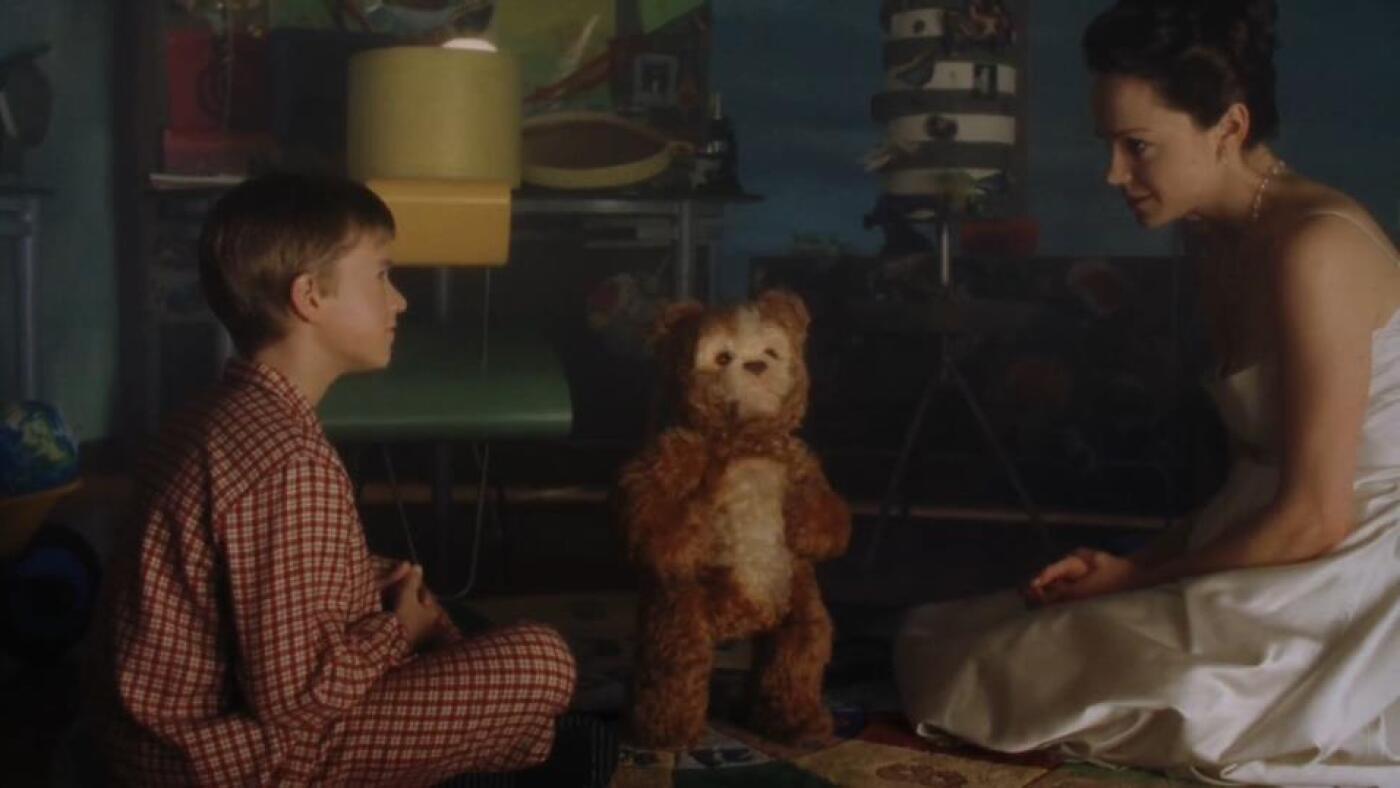
AI is moving beyond chatbots and into toys, dolls, and robots built to befriend children. A leading child-development expert says the technology offers real promise — but also risks crowding out the human relationships children need most.
AI is increasingly becoming an integral part of childhood, influencing what kids watch and listen to through algorithms, and providing interactive experiences via chatbots for questions, homework, stories, and even companionship. Companies are actively integrating AI into toys, nurseries, classrooms, and developing robots as child companions. Author Dana Suskind, in her book 'Human Raised,' highlights AI's potential benefits as a productivity enhancer, data tool for child development, and interactive tutor. However, she primarily expresses concern about AI replacing the human interactions crucial for developing young brains.
Suskind is alarmed by the rapid introduction of AI into children's lives without rigorous scientific study into its effects on young minds, particularly AI companions that could substitute for essential human interactions. She contrasts AI with older technologies like television, arguing that AI systems create synthetic social relationships that can mimic human connection in ways previous tech could not. This ability of AI to 'open the social gate' makes it a potentially powerful educational tool but also a dangerous one, as children's brains are biologically primed to learn through authentic social interaction, which AI cannot fully replicate.
Suskind compares AI relationships to 'ultra-processed food,' suggesting that constant engagement with endlessly engaging, patient, and affirming AI might make children less equipped for the complexities and 'productive struggle' of real human relationships. She argues that AI represents a fundamentally new social experience with unknown long-term effects. Drawing an analogy to early infant formulas that proved deadly, Suskind urges caution against engineering substitutes for human caregiving without understanding their developmental impact, especially for young children whose neural circuits are still forming. She warns that a 'human-raised' childhood could become a luxury, potentially creating social and economic disparities where children reliant on AI substitutes lack the 'Human Edge' (critical thinking, empathy, resilience) vital for an AI-driven economy focused on relational skills.