Quick Buzz Feed

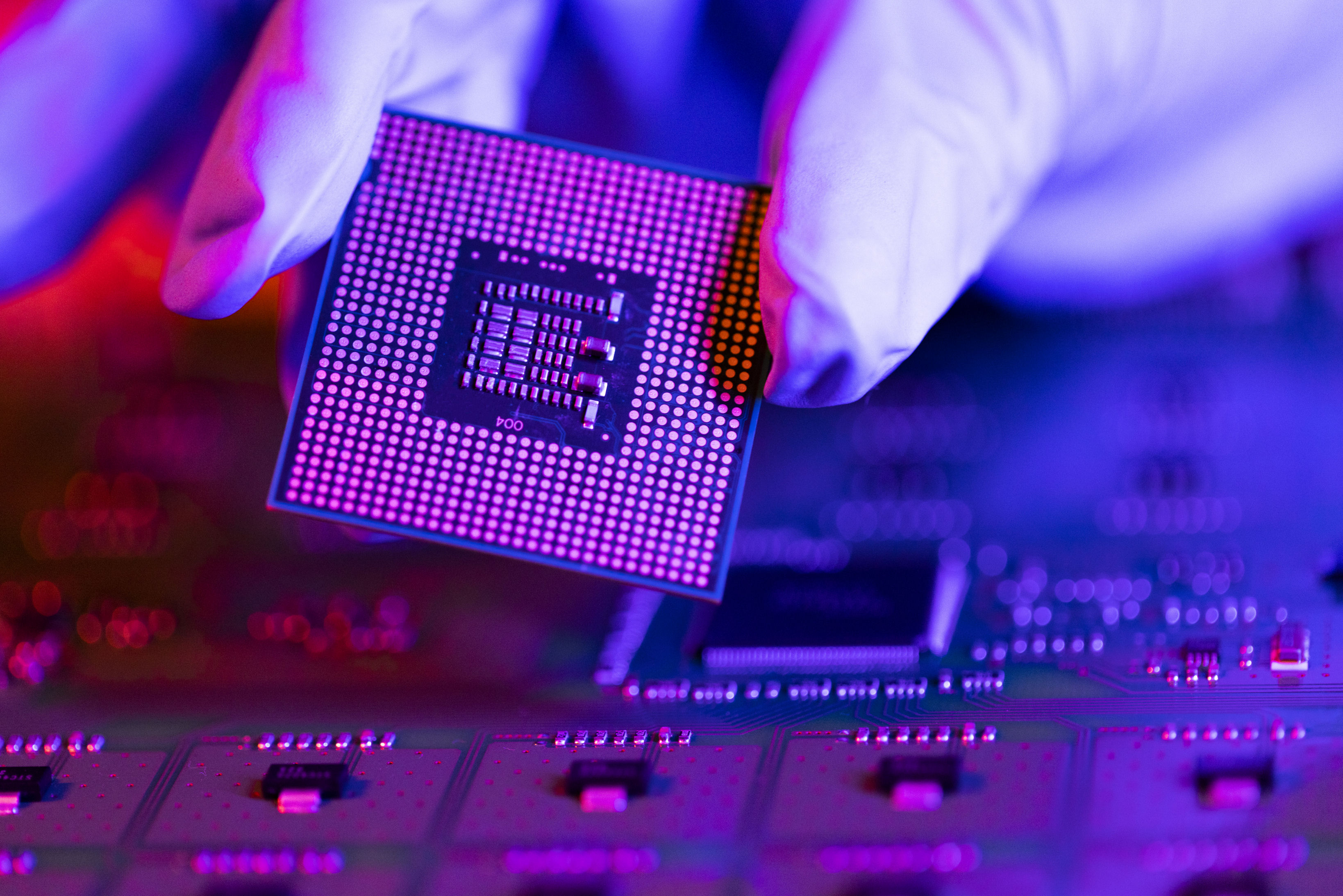
Qualcomm's stock price has been upended for short-term reasons, setting up a long-term buying opportunity.
Recent financial disclosures from Qualcomm for its fiscal 2026 first quarter (ending December 28) indicated a modest 5% year-over-year revenue increase, surpassing analyst expectations but signaling only tepid growth. Furthermore, the company's forward-looking guidance projected revenue between $10.2 billion and $11 billion for the ongoing quarter, slightly below the consensus estimate of $11.1 billion. This cautious outlook, attributed primarily to a persistent global shortage of memory chips, has contributed to a noticeable decline in Qualcomm's stock price, placing it at a 23% discount from its peak in early January. While these immediate challenges might deter some investors, the market's tendency to overemphasize current difficulties often creates overlooked opportunities for those with a longer investment horizon. The article posits that focusing solely on these present-day headwinds means missing the broader, more compelling narrative of Qualcomm’s strategic positioning for future technological advancements.
Beyond the immediate concerns, Qualcomm's long-term trajectory appears highly optimistic. Although the company acknowledges the short-term impact of memory chip supply constraints, there are clear indications of significant growth just around the corner. Qualcomm's proprietary Snapdragon microprocessor chips, initially developed for the ubiquitous smartphone market, are now finding increasingly diverse and high-value applications. These chips are being integrated into a new generation of AI-capable laptops, sophisticated wearables, and an expanding array of high-tech "connected" vehicles, where they are set to handle crucial driver-assistance functions. Cristiano Amon, Qualcomm's CEO, underscored this expansive potential in a recent interview with The Wall Street Journal, highlighting the immense opportunity in "edge computing." This paradigm shift involves offloading substantial high-level processing tasks from centralized artificial intelligence data centers, which are beginning to face capacity limitations, to localized platforms. Qualcomm's processors are ideally suited for this transition. Moreover, by 2027, Qualcomm anticipates its advanced processing chips will begin to be adopted within AI data centers themselves. This move is strategically sound, as the AI industry increasingly relies on inference models where Qualcomm’s purpose-built processors offer superior power efficiency and memory bandwidth compared to traditional GPUs. Looking even further ahead, the company is poised to capitalize on a burgeoning market for AI-powered robotics, including the development and deployment of advanced humanoid robots, reinforcing its pivotal role in the future of AI.
The persistent worldwide shortage of memory chips remains a significant factor, casting a shadow over the immediate performance of many technology stocks, including Qualcomm. However, the stock market inherently operates on anticipation, often "pricing in" future events before they fully materialize or resolve. Consequently, it is highly probable that most AI stocks, Qualcomm among them, will start to exhibit improved performance well in advance of any tangible easing of the memory supply chain issues. Astute investors and market analysts typically foresee and begin to act upon these impending shifts, rather than waiting for explicit, confirmed evidence. This suggests that the current valuation of Qualcomm's stock may already largely reflect the negative impact of the memory shortage. In essence, the market has likely absorbed the "bad news," leaving considerable potential upside that is not yet fully incorporated into its present share price. This scenario positions Qualcomm as a compelling investment for those willing to look past short-term volatility and recognize the inherent mechanism of forward-looking market pricing.