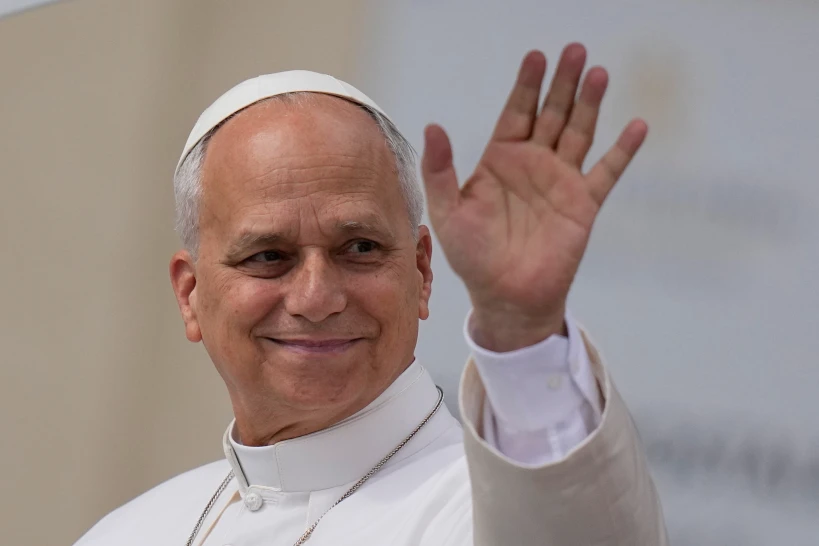
The Vatican is preparing for Pope Leo XIV’s first encyclical, which will address artificial intelligence with an ethics-based approach. The document emphasizes human dignity, social relationships, and peace, drawing parallels to past social teachings during the Industrial Revolution. It highlights the Church's role in guiding the integration of AI into society, ensuring that technological advancements serve humanity's well-being and ethical values.
The Vatican wants its voice and values in the AI debate
Following the widespread adoption of AI technologies like ChatGPT, the Vatican has asserted its significant role in the global discussion on artificial intelligence. While tech companies rapidly advance AI systems, experts have raised concerns about issues such as algorithmic bias and the potential for rogue AIs. International bodies like the UN and the EU have started implementing governance frameworks, with the EU adopting a risk-based Artificial Intelligence Act in 2024. The Vatican has actively contributed ethical guidelines for AI's use in various sectors, including military, education, and healthcare, advocating for AI to complement human intelligence rather than replace it. Concerns about the environmental impact of AI, particularly its vast energy and water consumption, have also been voiced. In 2020, the Vatican launched the 'Rome Call for AI Ethics,' an initiative joined by tech giants like Microsoft, IBM, and Cisco, promoting principles of inclusiveness, robust accountability, impartiality, and privacy. Pope Francis, in his later years, urged for an international treaty to regulate AI, emphasizing that technology must be imbued with human values like compassion and morality. He also addressed the G7, stressing the need for human-centric AI and a ban on lethal autonomous weapons, or 'killer robots,' ensuring human control over critical decisions.
Pope Leo is AI-savvy and concerned with peace, truth and human relations
Pope Leo XIV, who himself has cautioned priests against using AI for homilies, has consistently highlighted the broader implications of artificial intelligence on crucial aspects of human existence: global peace, labor, and the fundamental definition of reality. A central concern for the Augustinian pontiff is generative AI's potent ability to misinform and create deepfake imagery, which he views as a direct challenge to his religious order's core spiritual pursuit of truth. In a 2025 AI conference speech, Leo acknowledged AI's beneficial contributions to fields such as healthcare and scientific discovery. Nevertheless, he expressed profound reservations about its potential adverse effects on 'humanity’s openness to truth and beauty, on our distinctive ability to grasp reality.' With his steadfast dedication to peace, Pope Leo has also called for vigilant monitoring of AI's development and deployment in ongoing conflicts, specifically citing its use in warfare in the Middle East and Ukraine. He pointed to automated weapons systems, including aerial drones and maritime and ground platforms, as stark examples of the 'inhuman evolution of the relationship between war and new technologies,' which he fears could lead to a 'spiral of annihilation' in contemporary conflicts.