Quick Buzz Feed

The Dodgers signed yet another marquee free agent last night in Kyle Tucker, but they won't be to blame when MLB goes on lockout later this year.
The article highlights that Major League Baseball is currently experiencing a rebirth in interest, attendance, and TV ratings, making the prospect of a work stoppage in 2027 particularly hard to stomach. While many fans direct their anger at the Los Angeles Dodgers for their incessant big-money signings, the author argues that the Dodgers are not entirely at fault. The primary reason for their financial dominance, and a less discussed factor, is a highly lucrative 25-year, $8 billion TV deal with Time Warner (SportsNet LA) signed a decade ago. This agreement guarantees the Dodgers approximately $300-350 million annually, providing an unparalleled budgetary foundation that smaller-market teams, typically receiving around $80 million, simply cannot match, especially given the recent decline in the broader sports TV industry.
The author asserts that the blame for the impending MLB lockout lies more with the league itself and certain 'greedy owners' than with the Dodgers. It's pointed out that 48% of the Dodgers' substantial local revenue, derived from their TV deal, ticket sales, and sponsorships, is fed into MLB's revenue-sharing system and distributed among all 30 teams. However, the problem arises when many small-market teams, like the Marlins and Pirates, receive this revenue but choose not to invest it in signing competitive free agents. Furthermore, MLB's lenient rules surrounding luxury tax penalties and the ability for teams to defer massive player salaries (as seen with Shohei Ohtani's contract) grant the Dodgers immense financial flexibility, allowing them to continue their spending spree with minimal risk and effectively 'print money' each season.
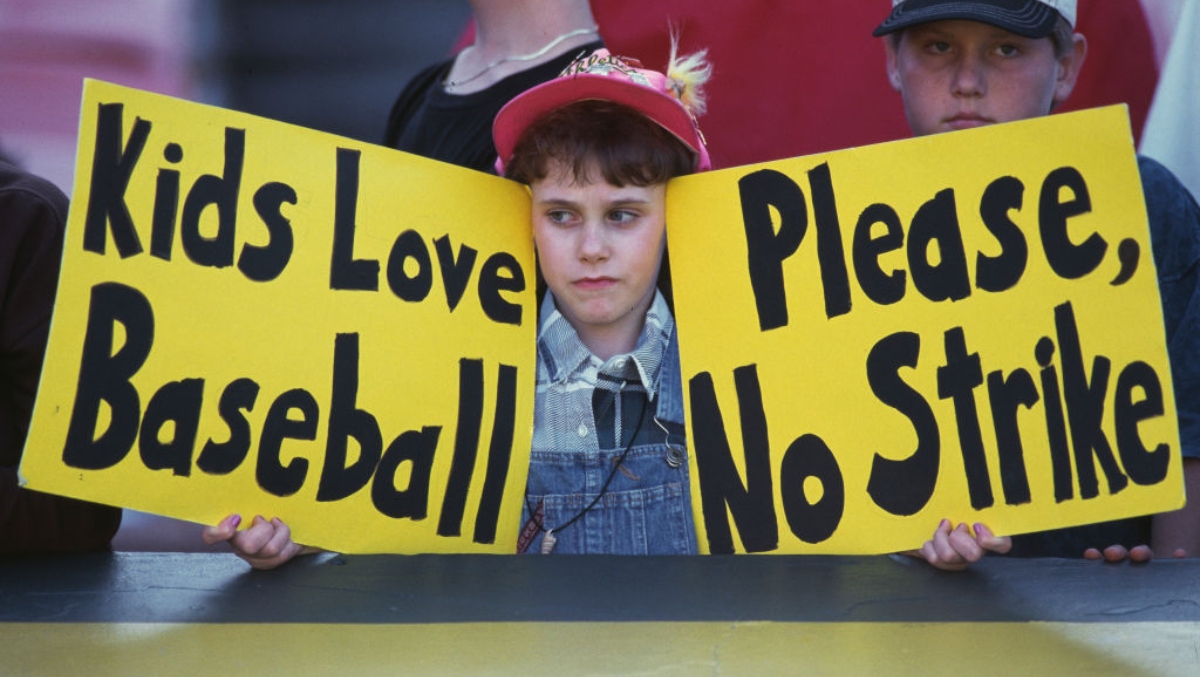
The article predicts a highly probable Major League Baseball lockout within the next year. This will stem from a fundamental disagreement: owners will likely advocate for spending controls, such as a salary cap, to address competitive balance concerns, while players will counter that the money already exists, but many teams simply refuse to spend it. The impending conflict is expected to be contentious, with fans ultimately suffering the consequences, potentially facing canceled games and a disrupted season. The author anticipates that a temporary compromise will eventually be reached, likely involving the rejection of a full salary cap but the implementation of harsher luxury tax penalties and a ban on contract deferrals. However, this solution will merely postpone the underlying issues, leading to continued tension in future seasons. Therefore, baseball fans are advised to cherish the upcoming season, as it may be the last 'normal' one for some time.