Quick Buzz Feed

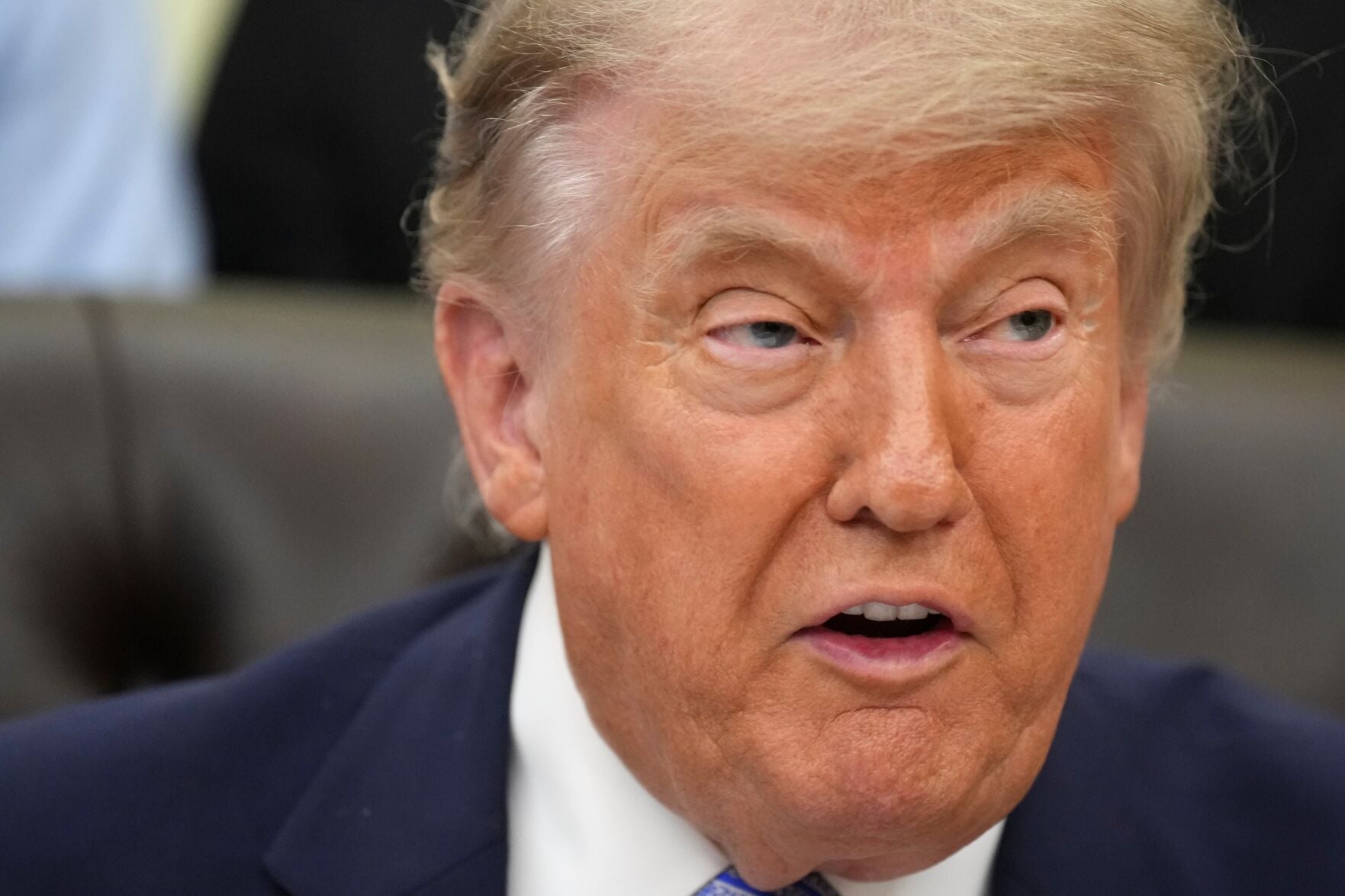
President Donald Trump abruptly canceled plans to sign a new executive order on artificial intelligence, just hours before a scheduled White House ceremony. He cited concerns that the proposed measure could undermine America's competitive edge in AI technology. Trump explicitly stated his dissatisfaction with the draft order's wording, emphasizing that the U.S. is leading global AI development, and he wanted to avoid any actions that might jeopardize that position.
President Donald Trump's decision to postpone the signing of a new executive order on artificial intelligence was made just hours before a planned White House ceremony. His primary stated reason was a concern that the order's provisions might inadvertently harm America's leading position in AI technology. He conveyed his disapproval of the order's specific wording, stating, "We’re leading China, we’re leading everybody, and I don’t want to do anything that’s going to get in the way of that lead." This suggests a strong presidential emphasis on fostering innovation without perceived bureaucratic impediments, even when such measures are designed for safety or regulation. The last-minute cancellation indicates significant internal debate or last-minute changes of heart regarding the impact of the proposed regulations on the rapidly evolving AI sector.
The impetus for some form of governmental action to scrutinize powerful AI systems originates from growing anxieties within critical sectors, particularly the banking industry. There's a heightened awareness of AI's advanced capabilities to identify and potentially exploit cybersecurity vulnerabilities within global software infrastructure. This concern culminated in an urgent meeting convened by Treasury Secretary Scott Bessent and outgoing Federal Reserve Chair Jerome Powell with prominent Wall Street CEOs in April. The meeting's objective was to alert financial institutions about the significant cybersecurity risks posed by sophisticated AI models, specifically citing Anthropic’s Claude Mythos. Bessent highlighted that while some banks demonstrated robust cybersecurity, others lagged, necessitating a collective discussion on best practices and future strategic directions. This urgent dialogue underscores the recognition of AI's dual nature: a tool for progress but also a potent source of new threats that require proactive management and potentially, government intervention to guide safe development and deployment. This pressure from the financial sector advocates for getting these powerful AI tools into the hands of trusted cybersecurity experts.
The Trump administration's approach to AI policy has been characterized by internal divisions and a dynamic tension between fostering technological advancement and addressing public fears. President Trump had previously committed to dismantling AI safety regulations established by his Democratic predecessor, Joe Biden, consistently promoting the AI sector as a key driver for economic expansion and showcasing major tech leaders at high-profile events. However, these pro-innovation ambitions have encountered resistance due to voters' escalating concerns about AI's broad societal impacts, including its effects on American life, job displacement, and even rising electricity costs due to data centers. Republicans themselves are not unified, showing a split between those who champion the AI industry and those who align with public skepticism. Serena Booth, a computer science professor and former AI policy fellow, observed this "public fighting" and "whiplash" in policy, attributing it to these fundamental fractures within the administration's stance on AI governance.
A core tension in the ongoing AI policy debate revolves around balancing the legitimate goal of testing highly capable AI models before their widespread public release against the potential for such government scrutiny to impede innovation and slow down technological development. Serena Booth articulated this dilemma, acknowledging the "reasonable idea" of pre-release testing while simultaneously cautioning about the "potential very large cost to innovation and speed of development." She concluded that "there is, I think, a real risk here and I do see both sides." The White House had previously expressed opposition to state-level AI regulations, arguing they could hinder growth. Consequently, a new executive order that might have been perceived as a government "screening" of commercial AI models would have represented a significant reversal in the administration's general stance. Vice President JD Vance reiterated the administration's dual objectives: promoting the U.S. as a global leader in AI innovation and ensuring the protection of its citizens, indicating an ongoing effort to navigate these complex trade-offs in AI governance collaboratively with tech companies.