Quick Buzz Feed

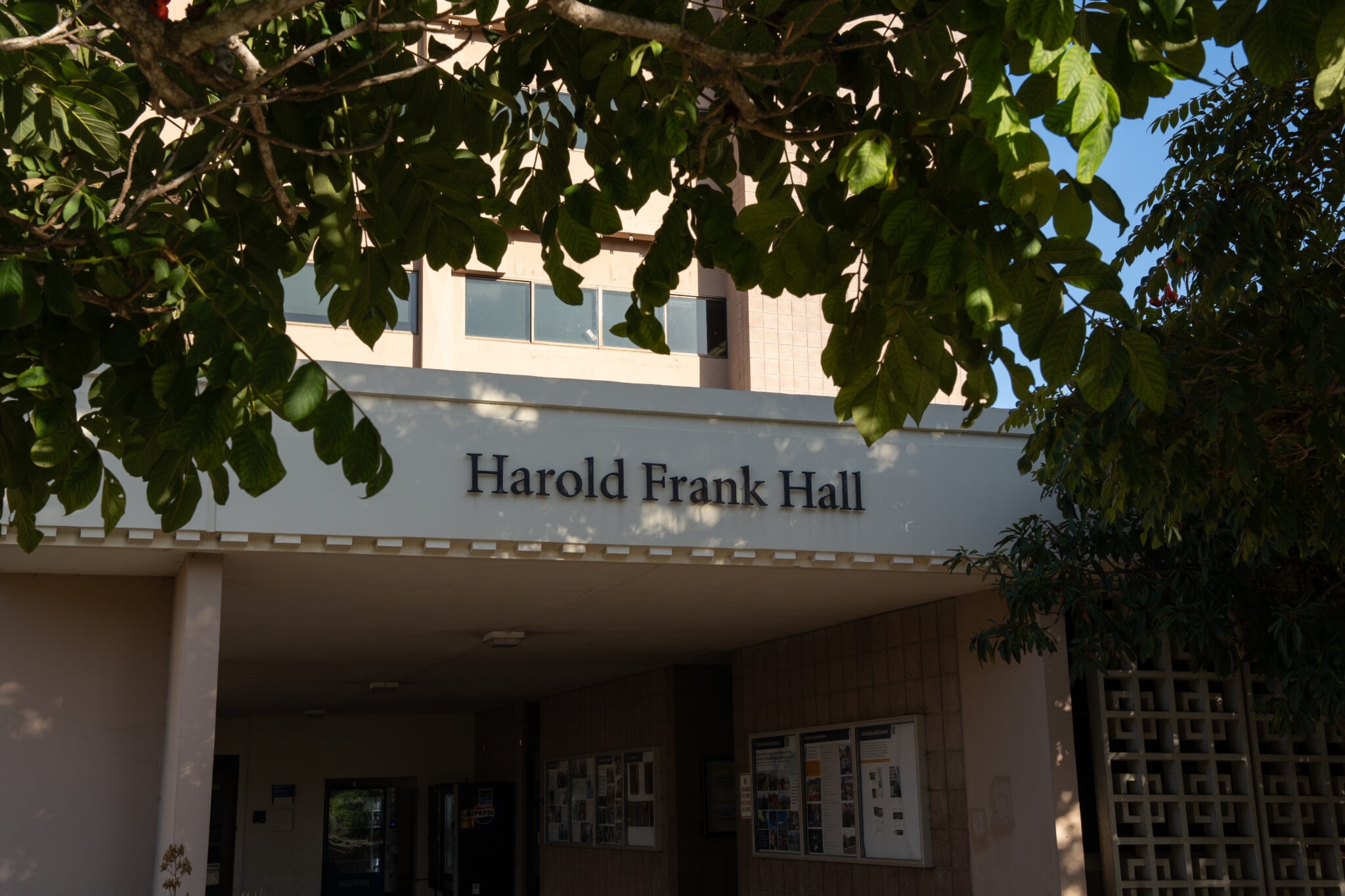
For the first time, UC Santa Barbara students will be able to make artificial intelligence the focus of their undergraduate experience. As of this quarter, the UCSB computer science (CS) department has launched a new undergraduate major in artificial intelligence (AI).
The University of California, Santa Barbara (UCSB) computer science (CS) department has officially launched a new undergraduate major in Artificial Intelligence (AI) as of the current quarter. This marks a significant development for the university, allowing students to specialize in AI within their undergraduate studies for the first time. The major's curriculum is meticulously designed to equip students with a robust foundation in the rapidly evolving technological landscape, blending essential principles from mathematics, statistics, logic, and core computer science. Diba Mirza, a teaching professor and vice chair of the CS department, played a pivotal role in spearheading the creation of this new program. Alongside Professor Tevfik Bultan and CS Department Chair Divyakant Agrawal, Mirza led the initiative to develop a comprehensive curriculum. The proposal for the AI major was initially submitted in the fall of 2024 and received approval from the UCSB Academic Senate in January 2026, paving the way for its implementation in the subsequent fall. A key decision during the development phase was to establish a dedicated AI major rather than attempting to integrate AI concepts into the existing CS major. This approach allowed the team to systematically define the desired knowledge and capabilities for graduates, ensuring a more focused and in-depth educational experience. Mirza explained that this enabled them to "think backwards and say, ‘OK, so for somebody to be really strong in this field, what is the foundation that they would need?’" UCSB's introduction of a dedicated undergraduate AI major positions it as only the second UC campus to offer such a program, following UC San Diego, which launched its AI major in the fall of 2025. Other UC institutions are also moving in this direction, with UC Merced planning to introduce an undergraduate AI major next fall, and UC Berkeley set to launch a master’s program in artificial intelligence and machine learning in the same semester. This trend reflects a broader national movement; currently, 355 U.S. universities offer degree programs in AI, with a remarkable 600% increase in dedicated AI programs over the past six years, and 33 new programs announced in 2026 alone. This surge underscores the growing recognition of AI's transformative impact and the demand for specialized education in the field. The initial cohort for the new AI major comprises 22 students, as confirmed by Undergraduate Advisor Jasmine Perez. Projections anticipate a substantial growth in enrollment, with approximately 200 students expected to pursue the major by 2029. Students in the inaugural cohort are currently participating in a seminar course led by CS professor Xifeng Yan, featuring guest speakers from diverse fields that leverage AI in innovative ways. Early feedback from students has been largely positive, with Mirza noting that they are gaining excitement about the potential futures they can build with this degree. A significant challenge in designing the curriculum for an AI major is ensuring its continued relevance given the rapid evolution of AI technology. To address this, the program places a strong emphasis on foundational principles, including mathematics, statistics, logic, and core computer science concepts. This fundamental understanding is deemed crucial for students to not only comprehend current technologies but also to innovate and develop the next generation of AI systems. Mirza stressed that "Whatever knowledge went into creating the current versions of ChatGPT or your favorite large language model, you need a deep enough technical understanding of all of that in order to bring about the next generation of AI." Beyond technical proficiency, the curriculum thoughtfully incorporates ethical considerations. Amid increasing societal concerns regarding the pervasive influence of AI, addressing issues such as fairness, bias, privacy, and social impacts is considered central to a holistic education in AI. The major includes a dedicated course, CMPSC 183: "Ethics, Privacy, Fairness, and Bias in AI and Computing," which is expected to be taught by Associate Professor Michael Beyeler, known for his work in combining neuroscience and AI for sight restoration. Mirza highlighted that the course aims to foster a proactive approach to ethics, ensuring students consider these principles "up front" in the design and deployment of AI systems rather than as an "abstract afterthought." Furthermore, the program is designed to be highly interdisciplinary, encouraging students to take electives in various other departments across the university. There are plans to significantly expand these cross-discipline collaborations, recognizing that AI research and application extend far beyond the confines of computer science, involving numerous entities and departments on campus. The ultimate vision for the UCSB AI major is to cultivate graduates who are a source of pride for the university. These graduates are expected to be well-prepared to enter this dynamic field and tackle complex, real-world "human problems" with significant societal impact, thereby contributing meaningfully to what is widely regarded as "the AI revolution."