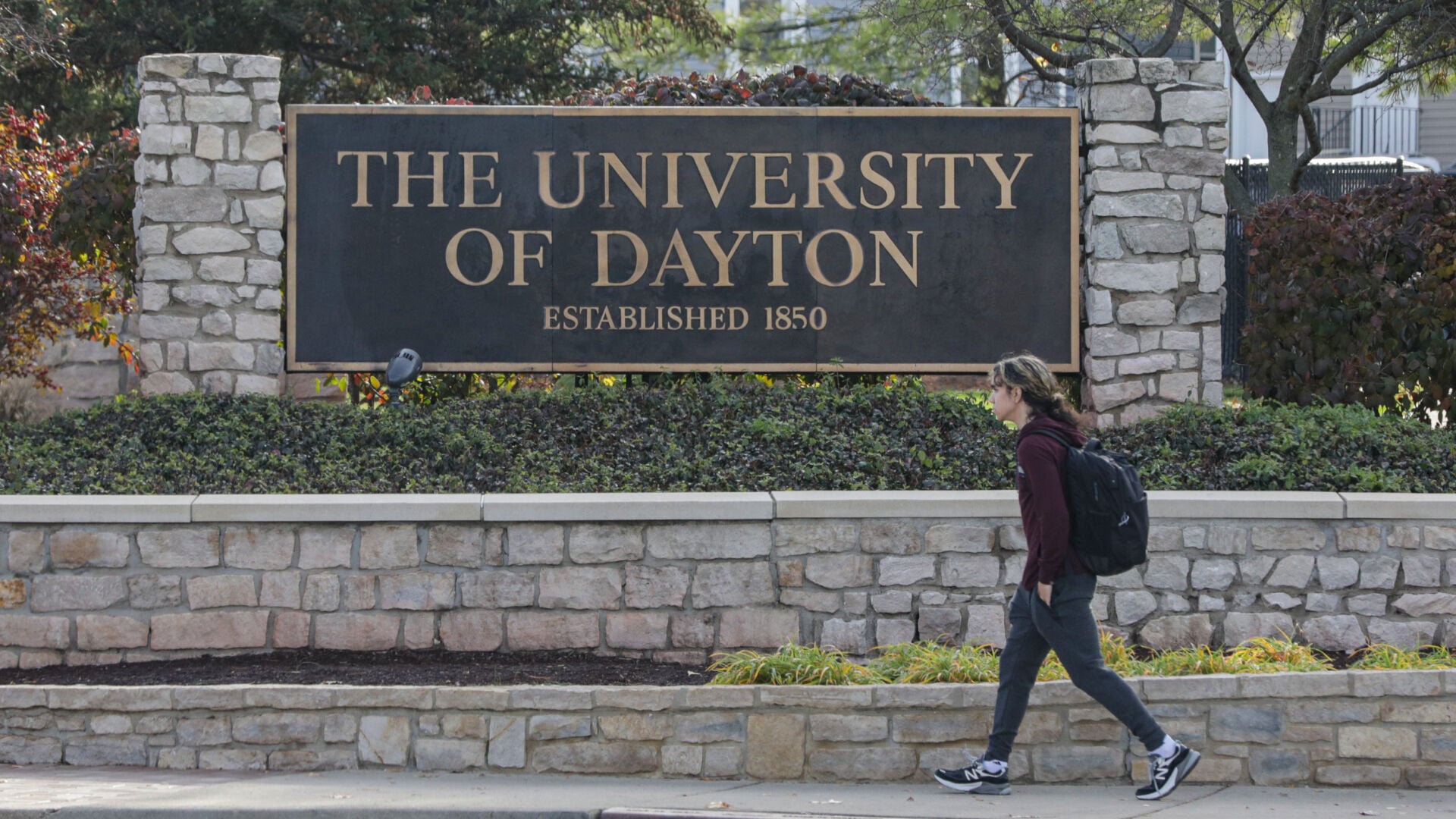
The University of Dayton plans to use $1.4 million grant from the Gates Foundation to build AI tools as a way of improving local public schools.
University of Dayton Secures Gates Foundation Grant The University of Dayton has been awarded a significant $1.4 million grant from the Gates Foundation. This funding is earmarked for the development of advanced Artificial Intelligence (AI) tools, with the primary objective of enhancing and modernizing local public school systems. This initiative highlights a growing trend towards integrating cutting-edge technology into education to drive systemic improvements. Addressing Challenges in School Improvement Meredith Wronowski, an associate professor of educational administration at UD, emphasized the common hurdles faced by school leaders in driving improvement. These include the burden of administrative paperwork and the loss of momentum when experienced staff depart. The new AI technology is expected to mitigate these obstacles, allowing educators to dedicate more time and energy to directly supporting student success and fostering a more efficient administrative environment. Collaborative Development for Enhanced Feedback A collaborative effort is underway involving Professor Meredith Wronowski from UD, Bryan VanGronigen from the University of Delaware, and the IT firm Toboggan Labs. Their focus is on refining AI tools specifically designed to assist school officials in formulating and executing improvement plans. A critical application of these tools is to aid state departments of education in reviewing these strategies for quality assurance and compliance with regulations. Wronowski pointed out that understaffed state departments often face significant delays or a complete absence of meaningful feedback on school plans, a problem these AI tools aim to resolve by streamlining the review process. Streamlining Regulatory Compliance and Coaching The primary AI tool funded by the grant is designed to significantly accelerate and enhance the quality of the review process for school improvement plans. It automates the evaluation of these plans and generates preliminary feedback for state officials. This automation allows state employees to reduce the time spent on routine compliance checks, reallocating their efforts towards more impactful activities such as providing direct coaching and support to district and school leaders in their improvement initiatives. This shift promises a more dynamic and effective approach to educational development. Introducing a Digital Memory AI Tool In parallel to the initial AI tool, the team, which includes UD computer science professors Michael Poor and Nick Stiffler, has also secured seed funding to conceptualize and develop a second, complementary AI tool. This innovative tool is envisioned as a 'digital memory' for schools. Its purpose is to empower educators to create superior improvement plans from the very beginning of the academic year, proactively addressing potential issues and eliminating the need to wait for potentially delayed feedback from state officials, which often arrives too late to adjust student support strategies effectively. Benefits of the Digital Memory Tool for Leadership Wronowski elaborated on the critical need for the digital memory planning tool. She highlighted that effective school improvement relies heavily on accumulated knowledge regarding student learning, past lessons, and prior decisions. This vital information often becomes fragmented or lost due to staff turnover. The digital memory tool aims to centralize and preserve this institutional history, enabling new leaders to make significantly smarter, better-informed, and more efficient decisions. By providing immediate access to historical context, the tool reduces the initial effort required for new leaders to get up to speed, allowing them to focus directly on strategic planning. Student Research Opportunities and Impact Beyond the direct development of AI tools, the Gates Foundation grant also serves a crucial academic purpose. It provides valuable research opportunities for both graduate and undergraduate students across the University of Dayton and the University of Delaware. This integration of research into the grant project ensures that students gain practical experience in cutting-edge AI development and educational administration, fostering the next generation of innovators and leaders in the field.
University of Dayton Secures Gates Foundation Grant
The University of Dayton has been awarded a significant $1.4 million grant from the Gates Foundation. This funding is earmarked for the development of advanced Artificial Intelligence (AI) tools, with the primary objective of enhancing and modernizing local public school systems. This initiative highlights a growing trend towards integrating cutting-edge technology into education to drive systemic improvements.
Addressing Challenges in School Improvement
Meredith Wronowski, an associate professor of educational administration at UD, emphasized the common hurdles faced by school leaders in driving improvement. These include the burden of administrative paperwork and the loss of momentum when experienced staff depart. The new AI technology is expected to mitigate these obstacles, allowing educators to dedicate more time and energy to directly supporting student success and fostering a more efficient administrative environment.
Collaborative Development for Enhanced Feedback
A collaborative effort is underway involving Professor Meredith Wronowski from UD, Bryan VanGronigen from the University of Delaware, and the IT firm Toboggan Labs. Their focus is on refining AI tools specifically designed to assist school officials in formulating and executing improvement plans. A critical application of these tools is to aid state departments of education in reviewing these strategies for quality assurance and compliance with regulations. Wronowski pointed out that understaffed state departments often face significant delays or a complete absence of meaningful feedback on school plans, a problem these AI tools aim to resolve by streamlining the review process.
Streamlining Regulatory Compliance and Coaching
The primary AI tool funded by the grant is designed to significantly accelerate and enhance the quality of the review process for school improvement plans. It automates the evaluation of these plans and generates preliminary feedback for state officials. This automation allows state employees to reduce the time spent on routine compliance checks, reallocating their efforts towards more impactful activities such as providing direct coaching and support to district and school leaders in their improvement initiatives. This shift promises a more dynamic and effective approach to educational development.
Introducing a Digital Memory AI Tool
In parallel to the initial AI tool, the team, which includes UD computer science professors Michael Poor and Nick Stiffler, has also secured seed funding to conceptualize and develop a second, complementary AI tool. This innovative tool is envisioned as a 'digital memory' for schools. Its purpose is to empower educators to create superior improvement plans from the very beginning of the academic year, proactively addressing potential issues and eliminating the need to wait for potentially delayed feedback from state officials, which often arrives too late to adjust student support strategies effectively.
Benefits of the Digital Memory Tool for Leadership
Wronowski elaborated on the critical need for the digital memory planning tool. She highlighted that effective school improvement relies heavily on accumulated knowledge regarding student learning, past lessons, and prior decisions. This vital information often becomes fragmented or lost due to staff turnover. The digital memory tool aims to centralize and preserve this institutional history, enabling new leaders to make significantly smarter, better-informed, and more efficient decisions. By providing immediate access to historical context, the tool reduces the initial effort required for new leaders to get up to speed, allowing them to focus directly on strategic planning.
Student Research Opportunities and Impact
Beyond the direct development of AI tools, the Gates Foundation grant also serves a crucial academic purpose. It provides valuable research opportunities for both graduate and undergraduate students across the University of Dayton and the University of Delaware. This integration of research into the grant project ensures that students gain practical experience in cutting-edge AI development and educational administration, fostering the next generation of innovators and leaders in the field.