Quick Buzz Feed

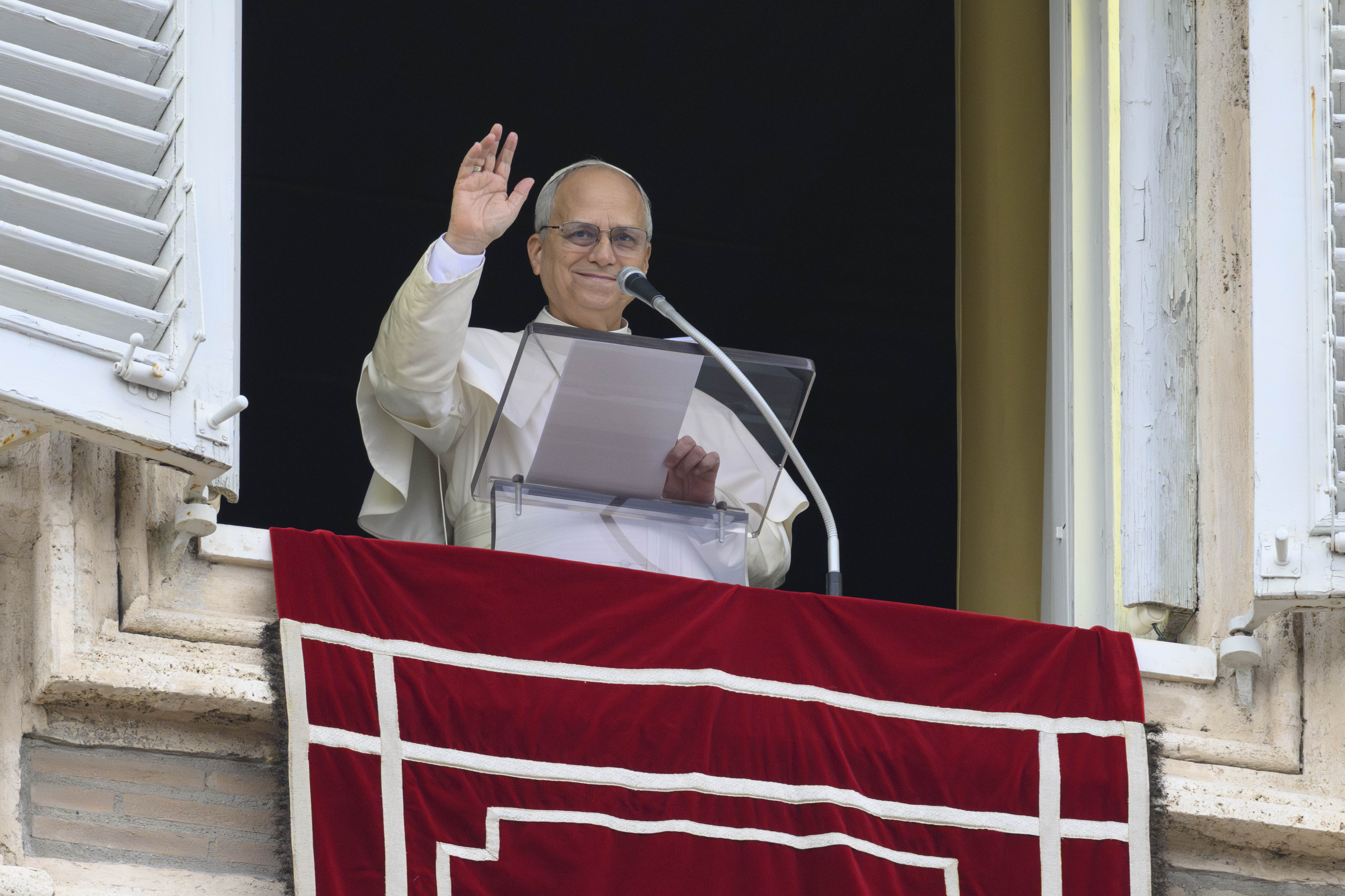
Pope Leo XIV has approved the creation of a new commission on AI to coordinate the Vatican's response to the rapidly expanding technology and its implications for human dignity, integral development, and the Church’s own internal use of AI.
Pope Leo XIV has officially sanctioned the establishment of a new Vatican commission dedicated to artificial intelligence. This significant initiative aims to orchestrate the Holy See's comprehensive approach to the burgeoning field of AI. The commission's core mandate encompasses addressing the profound implications of this rapidly advancing technology on fundamental aspects such as human dignity, promoting integral human development, and even guiding the internal deployment and ethical use of AI within the Church's own operations and structures. This proactive step by the Vatican underscores a serious recognition of AI's transformative power and its potential to reshape society, necessitating a coordinated and ethically grounded response from the highest levels of the Catholic Church. This new body will serve as a central point for expertise and policy development, ensuring that the Church's engagement with AI is consistent with its long-standing moral and social teachings.
The formation of this AI commission is intricately linked to the imminent release of Pope Leo XIV's inaugural encyclical, a pivotal document anticipated to delve deeply into the multifaceted dimensions of artificial intelligence. This forthcoming encyclical is expected to offer a comprehensive theological and ethical framework for understanding AI, examining its societal, economic, and moral ramifications through the distinctive lens of Catholic social teaching. Significantly, the document is poised to elevate AI to the status of a defining moral challenge of the contemporary era, drawing insightful parallels to the sweeping societal changes brought about by the Industrial Revolution, which was famously addressed by Pope Leo XIII in his foundational encyclical, 'Rerum Novarum'. This historical comparison highlights the gravity with which the Vatican views AI's capacity to fundamentally alter human work, relationships, and societal structures, necessitating a robust and well-considered response from a faith perspective.
The formal announcement of the commission's establishment was made by the Holy See Press Office on May 16, following a crucial May 3 audience between Pope Leo XIV and Cardinal Michael Czerny, who serves as the prefect of the Dicastery for Promoting Integral Human Development. The Vatican articulated the foundational reasons behind the Pope's decision, emphasizing several key considerations. These include the exponential growth and pervasive integration of artificial intelligence in recent decades, its rapid adoption across various sectors, and the profound potential impacts it holds for both individual human persons and humanity collectively. Central to the Church's motivation is an unwavering concern for safeguarding the inherent dignity of every human being, with a particular focus on how AI intersects with and influences the pursuit of integral human development. This proactive stance reflects a deep commitment to ensuring that technological progress serves humanity rather than diminishes it, aligning with the Church's mission to protect and uplift human life.
The newly constituted Vatican commission on artificial intelligence is designed as an inter-dicasterial body, drawing expertise and representation from a broad spectrum of the Holy See's institutions. Its members will include delegates from the Dicastery for Promoting Integral Human Development, which plays a central role in the Church's social teachings; the Dicastery for the Doctrine of the Faith, responsible for upholding Catholic doctrine; the Dicastery for Culture and Education, focusing on intellectual and cultural development; the Dicastery for Communication, managing the Church's outreach; the Pontifical Academy for Life, addressing bioethical issues; the Pontifical Academy of Sciences, engaging with scientific advancements; and the Pontifical Academy of Social Sciences, dedicated to social studies. This diverse composition ensures a holistic perspective on AI's ethical and practical dimensions. Furthermore, the Vatican has stipulated that any proposed modifications or adjustments to the commission's membership or structure will require the explicit approval of the Holy Father, underscoring the direct papal oversight of this important body and its evolving needs.
The operational framework of the AI commission includes a structured coordination mechanism. Initially, the Dicastery for Promoting Integral Human Development will be entrusted with the coordinating role for a renewable period of one year. Following this initial term, the Roman Pontiff will then designate another participating institution to assume the mantle of coordination, also for a one-year term. The primary responsibility of this coordinating institution is multifaceted, focusing on fostering robust collaboration and facilitating the seamless exchange of vital information among all members of the group. This includes sharing insights on ongoing activities and projects related to artificial intelligence, as well as developing and implementing policies that will govern the ethical and practical use of AI within the Holy See itself. Beyond these administrative duties, the commission is also charged with the broader mission of actively promoting dialogue, cultivating communion, and encouraging widespread participation across various Church bodies and with external stakeholders on matters concerning AI, thereby ensuring a broad and inclusive approach to this critical issue.
Pope Leo XIV has consistently demonstrated a deep awareness and concern regarding the global challenges presented by artificial intelligence, making it a prominent theme since the very inception of his pontificate. This consistent emphasis highlights the Pope's conviction about AI's profound impact on society and human flourishing. In a notable address delivered to the College of Cardinals on May 10, 2025, where he expounded upon his choice of papal name, Leo explicitly articulated his vision. He stated that in "our own day," the Church's social teaching serves as a crucial resource to respond to what he termed "another industrial revolution" brought about by advancements in artificial intelligence. He stressed that these developments present entirely new challenges to the fundamental defense of human dignity, the pursuit of justice, and the nature of labor itself, underscoring the urgent need for a morally informed and comprehensive approach to AI that places human well-being at its center.