Quick Buzz Feed

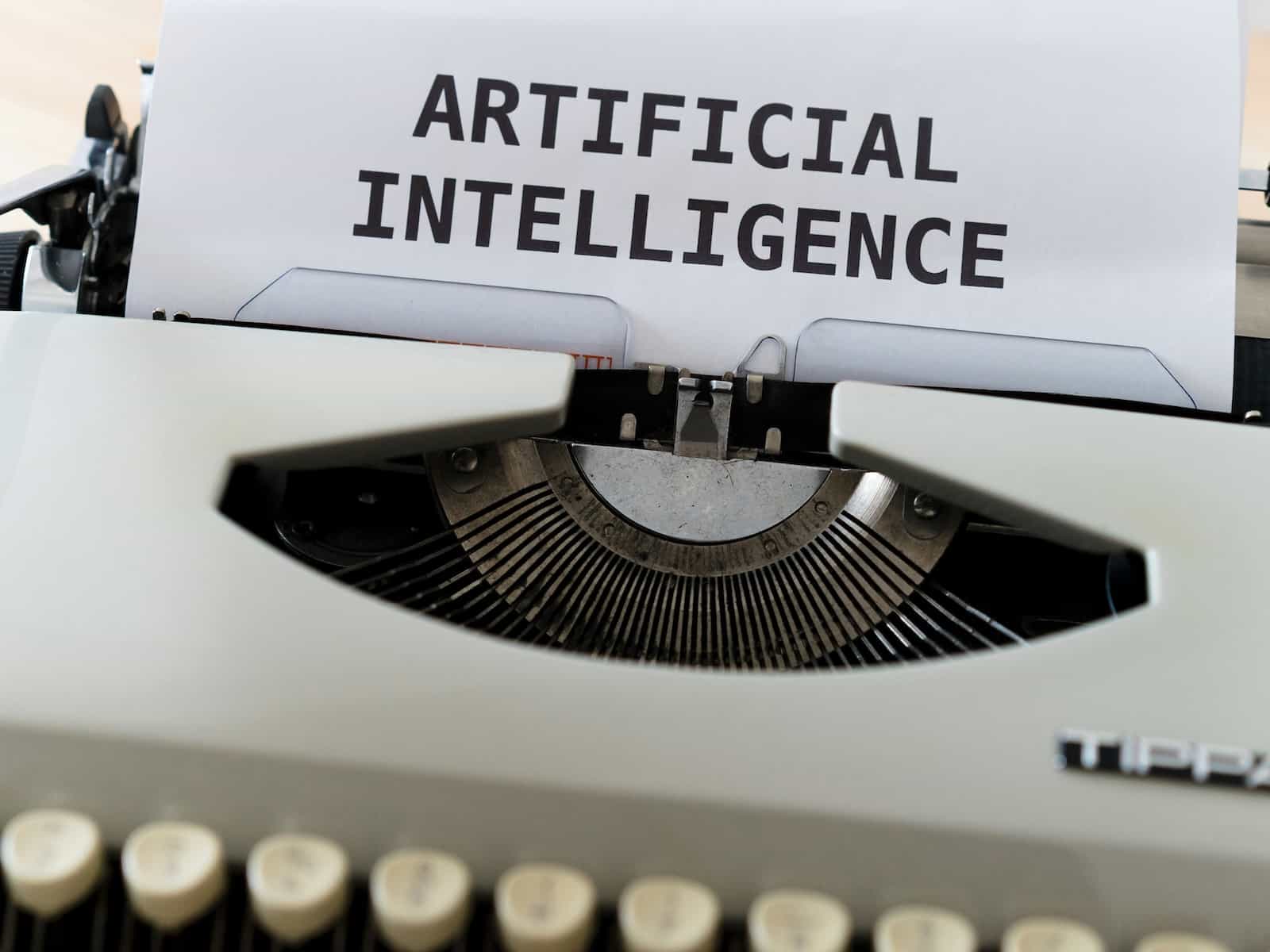
AI’s growing use in schools raises concerns about student over-reliance, critical thinking loss, academic integrity, privacy risks, and environmental impact while offering efficiency and accessibility benefits.
The article explores concerns from Savannah Scheffers, a high school sophomore, who notes that peers increasingly rely on AI to generate assignments without engaging in critical thought, potentially leading to a decline in independent learning. Kalamazoo College Professor Charlene Boyer Lewis corroborates this, recounting instances of students admitting to excessive AI use for academic tasks due to time constraints or difficulty. Both educators stress that AI should serve as a supplementary tool rather than a substitute for original intellectual effort. They also highlight the growing challenge for instructors, especially in creative fields like art and poetry, to distinguish genuine student work from AI-generated content, advocating for a balanced approach where AI enhances, rather than replaces, human cognition and creativity.
Tama Salisbury, Assistant Principal at Portage Central High School, articulates a primary concern that AI fosters an overreliance on technology, potentially diminishing students' critical thinking skills. She observes a noticeable increase in disciplinary actions related to AI use, particularly around assignment deadlines, framing it as a modern form of plagiarism distinct from traditional copying. Salisbury also highlights the inherent difficulty in tracing the origin of AI-generated information, making verification challenging. Professor Boyer Lewis adds that AI tends to oversimplify complex historical narratives, stripping away essential nuances and messy details that are crucial for a thorough understanding of history, thereby distorting the educational process by prioritizing brevity over depth.
Jon McCrary, former assistant news director at WWMT-News 3 in Kalamazoo, Michigan, discusses the challenges AI poses to news reporting, particularly regarding the potential for misinformation. He emphasizes that news organizations employ rigorous vetting processes, including cross-referencing multiple eyewitness accounts and interviews, to ensure the accuracy and authenticity of information. McCrary states that his station has not encountered AI-generated fake content, noting that human embellishment of events is a more common issue. He reiterates the journalistic standard of 'double-source confirmation' and the commitment to full transparency, including issuing corrections and apologies if errors occur, to maintain trust and reliability in their reporting amidst evolving technological landscapes.
The article delves into the delicate balance between AI's utility and the risks it poses to personal privacy and intellectual property. Tama Salisbury shares an anecdote about her computer inferring school-related information from her usage, despite her efforts to 'scrub' data, underscoring how AI can gather personal details without explicit input. A more significant concern is the uncompensated appropriation of intellectual property; AI platforms often scan and digitize copyrighted books and creative works, integrating them into their databases without crediting or compensating the original creators. Professor Boyer Lewis and her husband, both history professors, are actively involved in a class-action lawsuit against an AI platform for the alleged theft of their published books, illustrating the severe implications for creators and the ethical dilemmas AI presents in terms of ownership and fair use of content.
The environmental footprint of Artificial Intelligence is a significant and growing concern. The article explains that the operation and 'training' of AI models necessitate vast data centers filled with computer servers. These facilities consume immense amounts of electricity, both for processing power and for cooling the equipment, leading to substantial carbon dioxide emissions. According to the MIT Technology Review and experts like Karen Hao, training even a few AI models can generate as much CO2 as nearly five average American cars produce over their entire lifespan, including manufacturing. Furthermore, these data centers are incredibly water-intensive, using up to 5 million gallons daily in larger facilities, equivalent to the consumption of a city of 50,000 people. Many are located in regions reliant on fossil fuels, exacerbating global climate change. Emissions from data centers have tripled since 2018, with this trend expected to accelerate due to the rapid advancement and widespread adoption of AI technologies.
From an educational perspective, AI presents both inherent problems and novel opportunities. Portage Central High School has seen an increase in disciplinary referrals for AI use, particularly during peak assignment periods, highlighting an over-reliance that undermines traditional learning. Assistant Principal Tama Salisbury stresses the importance of fostering self-discipline and preserving 'human advantages' such as critical thinking, empathy, and compassion, which AI cannot replicate. Savannah Scheffers, a high school artist, expresses apprehension about AI's impact on creative authenticity, fearing that AI-generated artwork might devalue human-made creations and lead to a pervasive skepticism about the originality of online content. While Professor Boyer Lewis maintains that AI detracts from fundamental human skills in academic settings, Salisbury acknowledges its increasing integration into professional life, requiring continuous adaptation and professional development to leverage its efficiencies while safeguarding against its potential detriments.