Quick Buzz Feed

Tehran’s attacks against the digital ecosystems of its neighbors are considered among the first military actions of their kind in the world.
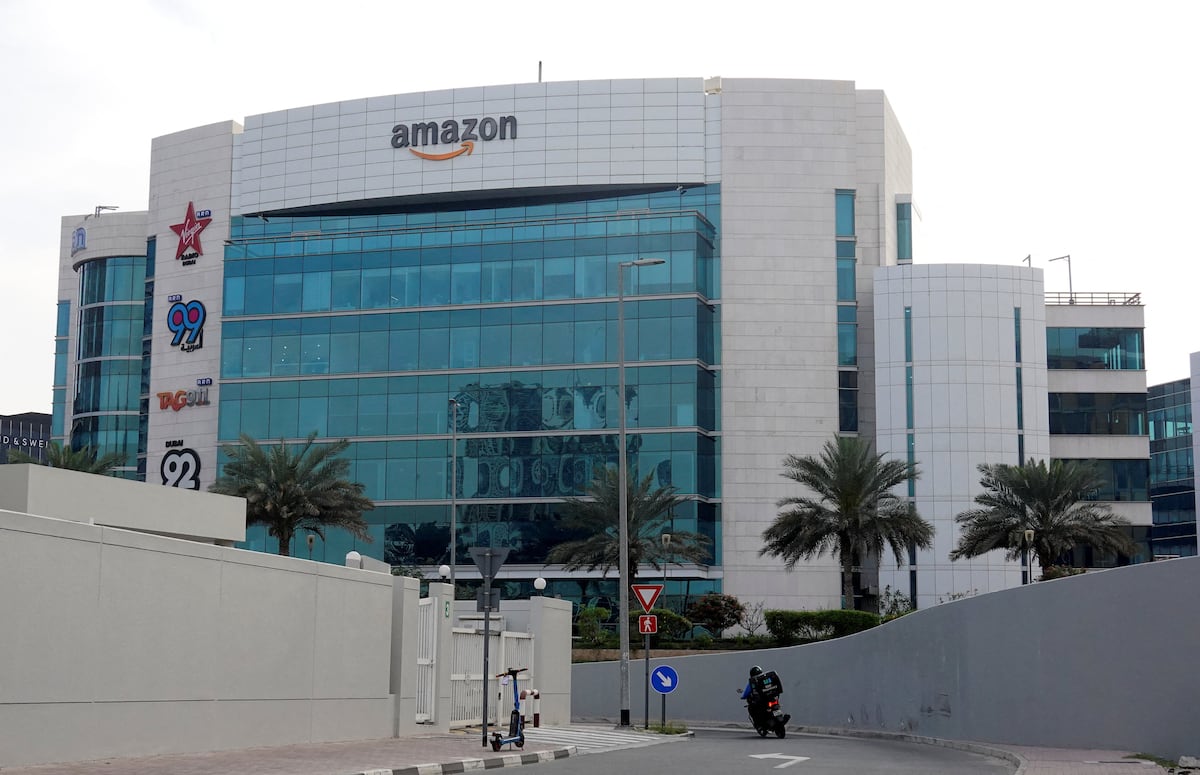
Following a US-Israeli offensive against Iran on February 28, Iran retaliated by launching drones and missiles, initially drawing attention to attacks on vital energy infrastructure such as Saudi Arabia's main refinery, Qatar's largest LNG export complex, a UAE oil terminal, and Bahrain's largest refinery. However, a less-reported but equally strategic wave of attacks occurred in the early hours of March 1, targeting digital infrastructure. Specifically, Amazon data centers in the UAE and Bahrain were hit by drones, leading to immediate and significant disruptions. Customers of major financial institutions like Abu Dhabi Commercial Bank experienced issues with online services, business news outlets faced website outages, and ride-hailing/food delivery apps like Careem became inaccessible. These cyber-physical attacks against the digital ecosystems of Gulf neighbors represent a new form of military action, exposing critical vulnerabilities and highlighting the evolving nature of modern conflict.
Mohammed Soliman, a senior fellow at the Middle East Institute (MEI) and author, emphasizes that Iran's targeting of these facilities was a deliberate strategic choice. He argues that data centers are the fundamental backbone of the Gulf countries' ambitious post-oil economic diversification strategies, especially their multi-billion-dollar investments aimed at transforming the region into a global hub for artificial intelligence (AI) development. The Gulf States possess a unique competitive advantage, leveraging their strategic geographic location between continents, access to abundant and inexpensive energy resources, and the vast capital held by their sovereign wealth funds. This combination is hard to replicate, making their digital infrastructure a high-value target for disruption. Iran's actions, therefore, serve as a direct challenge to the perceived safety and viability of these significant economic development plans.
The leadership in the Gulf's AI development race comes primarily from the UAE and Saudi Arabia. The Emirati initiative is notably spearheaded by G42, a prominent conglomerate specializing in AI, chaired by Tahnoon bin Zayed, a key member of the royal family and the country’s national security advisor. In Saudi Arabia, the project is driven by Humain, which is supported by the Public Investment Fund (PIF) and led by Tareq Amin, formerly Aramco's head of technology. While US foreign policy in the region traditionally centered on oil and gas, its focus has increasingly shifted to the Gulf's strong commitment to AI. This is a symbiotic relationship: US technology companies like OpenAI, Nvidia, and Oracle need the Gulf’s energy and capital for their massive data center projects (e.g., in Abu Dhabi with G42, and Amazon partnering with Humain), while the Gulf depends on America’s cutting-edge technology and talent. This strategic pivot was formalized in international agreements like Pax Silica in December 2025, an initiative led by the US to build consensus on economic security in the AI ecosystem, with the UAE and Qatar among its ten signatories. US Under Secretary of State for Economic Affairs Jacob Helberg underscored this shift, stating, "if the 20th century was based on oil and steel, the 21st century is based on computing and the minerals that power it." Former President Donald Trump's May 2025 Gulf tour further solidified these energy and AI agreements, demonstrating the high-level commitment to this new strategic alignment.
The physical location of critical technological infrastructure, unlike oil and gas, theoretically offers greater flexibility. However, the massive data centers required for large-scale AI expansion have become highly centralized to maximize efficiency in energy supply and connectivity. Iran's recent attacks have starkly exposed the inherent vulnerability of this concentrated digital infrastructure, necessitating a fundamental re-evaluation of existing protection and security strategies. Despite these challenges, Mohammed Soliman remains confident in the Gulf's long-term strategic ambitions. He interprets Iran's decision to target this infrastructure as a clear indicator of the seriousness and real-world consequences of the Gulf's AI aspirations, arguing that military resources are not expended on insignificant targets. Soliman dismisses the idea that powerful sovereign wealth funds, with their extensive investment horizons, would be easily deterred or scared off by drone attacks, suggesting a strong commitment to their AI development path.