Quick Buzz Feed

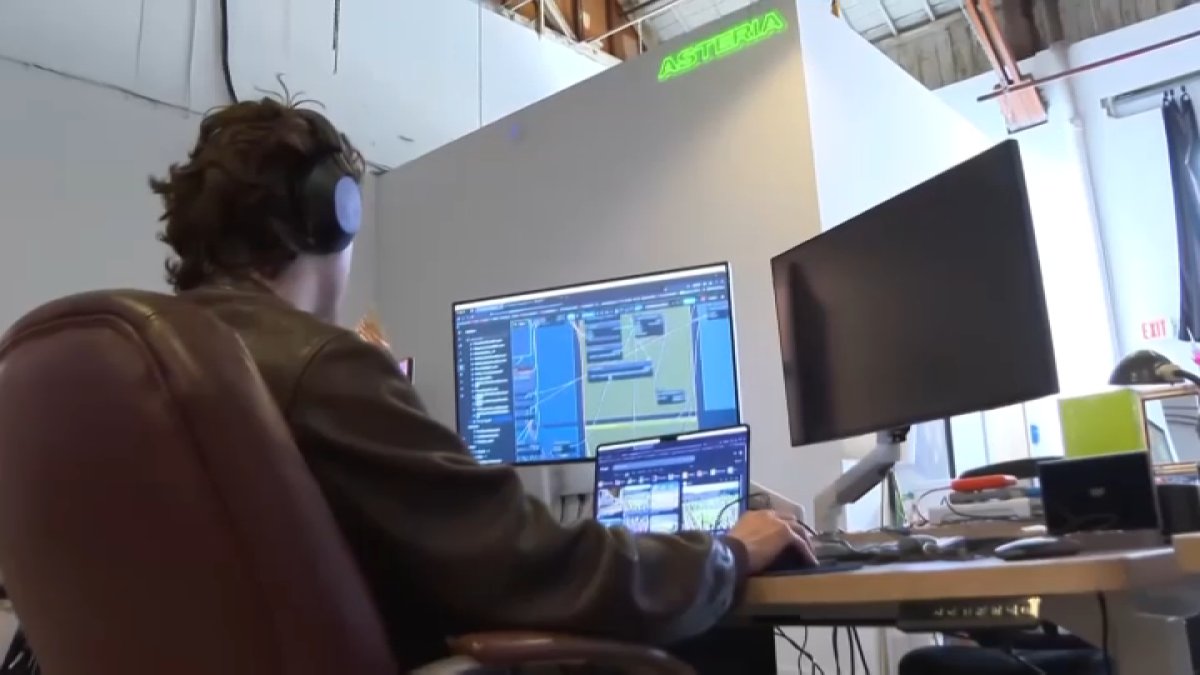
Asteria says it's adapting to AI in its work and believes it could be key to turning the industry around in Hollywood.
Hollywood is grappling with a profound transformation driven by artificial intelligence. This technological shift has sparked intense debate, particularly in Los Angeles, which has experienced a significant decline in production jobs. Since 2022, over 40,000 production roles have vanished from the city, largely attributed to the allure of cheaper production and editing alternatives in other states or overseas. Paul Dergarabedian, head of marketplace trends at Rentrak, articulates the widespread anxiety among creative professionals, who fear that AI could usurp their roles by generating digital likenesses, replicating voices, and crafting scripts, thereby diminishing human involvement in the creative process. This apprehension highlights a critical juncture for the industry, balancing technological advancement with the preservation of human artistry and employment.
Amidst Hollywood's cautious stance on AI, Silver Lake-based production studio, Asteria, is charting a proactive course, viewing AI as an indispensable tool for revitalizing the industry. Operating from the venerable Mack Sennett Studios—a historic site where cinematic pioneers like Charlie Chaplin once innovated—Asteria’s co-founder, Bryn Mooser, emphasizes the studio’s commitment to an 'artist-led, generative AI film and animation studio.' They champion a clean and ethical AI model, integrating it to enhance creative workflows rather than replace human talent. Mooser explains that AI is deployed for tasks such as 'in-betweening' in animation, populating crowd scenes, extending visual shots, and refining existing footage. This strategic adoption positions Asteria at the forefront of what Mooser describes as 'the most significant technological change in the way that we make movies,' advocating for AI's potential as a collaborative partner in the artistic process.
The profound impact of AI was a central point of contention during the 2023 Hollywood strikes, where unions sought regulations against the potential misuse of AI to replace human actors and writers. Bryn Mooser of Asteria, however, frames AI as a potential catalyst for reversing Hollywood's job losses. He provocatively questions the industry's current health, suggesting that if it were thriving, AI adoption might be less urgent. Mooser argues that AI's efficiency can significantly reduce production costs, enabling smaller teams to complete projects faster. This cost-effectiveness, he contends, could incentivize producers to bring film and television projects back to Los Angeles, rather than seeking cheaper labor elsewhere. His vision underscores a critical imperative for LA to embrace emerging technologies, ensuring its continued dominance as the global epicenter of entertainment and innovation, fostering a new era of competitiveness.
While Asteria's optimistic embrace of AI offers a potential pathway for Hollywood's future, industry analysts like Paul Dergarabedian maintain a more nuanced perspective. They acknowledge the genuine possibility that AI could boost efficiency and make Los Angeles a more competitive location for film and television production, aligning with Asteria’s mission. However, Dergarabedian cautions that the economic benefits must be rigorously balanced against the inherent risks and 'potential pitfalls' associated with AI integration. These concerns typically revolve around the ethical implications, such as intellectual property rights, the potential for mass job displacement, and maintaining creative control. The ongoing dialogue necessitates a careful consideration of how to implement AI responsibly, ensuring that technological progress serves to augment, rather than undermine, the human element that has long been the soul of the entertainment industry.